Reconciling conflicting evidence on stress ulcer prophylaxis in critically ill children: a systematic review and meta-analysis
Article information

Abstract
Stress ulcer prophylaxis (SUP) is widely used in critically ill children; however, evidence for benefit is limited and previous reviews reached conflicting conclusions, particularly regarding mortality. Here we aimed to reassess the benefits and harms of SUP in critically ill children and reconcile the conflicting conclusions of previous reviews. We searched the PubMed/MEDLINE, CENTRAL, Scopus, Web of Science, and Igaku Chuo Zasshi databases from inception to May 20, 2026, for randomized and nonrandomized studies comparing SUP with placebo or no treatment in critically ill children. Risk of bias was assessed with outcome-specific risk of bias 2 and Risk Of Bias In Non-randomized Studies of Interventions, version 2 (ROBINS-I V2) and certainty with Grading of Recommendations Assessment, Development, and Evaluation; random-effects models pooled outcomes reported in ≥2 studies. The protocol was registered (PROSPERO CRD420251074125), and reporting followed the PRISMA (Preferred Reporting Items for Systematic Reviews and Meta-analyses) 2020 guidelines. Eighteen studies were included (7 randomized, 11 nonrandomized); all nonrandomized studies had a critical risk of bias (confounding by indication) and were excluded from synthesis. The evidence was very uncertain for all outcomes. For the primary outcome, upper gastrointestinal bleeding, no reduction was found (5 trials, n=713; risk ratio [RR], 1.06; 95% confidence interval [CI], 0.76–1.47; I²=0%), with similarly inconclusive estimates for clinically significant gastrointestinal bleeding (RR, 0.81; 95% CI, 0.20–3.26), mortality (RR, 1.12; 95% CI, 0.73–1.71), and ventilator-associated pneumonia (RR, 1.13; 95% CI, 0.78–1.63); the previously reported mortality signal was not reproduced. An exploratory analysis suggested an increased incidence of central line-associated bloodstream infection (CLABSI; 2 trials, n=212; RR, 2.47; 95% CI, 1.24–4.90). By formally appraising every non-randomized study with ROBINS-I V2 rather than excluding them by design, this review reconciles earlier conflicting syntheses: across the largest randomized evidence base to date, prophylaxis conferred no demonstrable benefit, and the earlier mortality signal was not reproduced. With very low overall certainty, the evidence neither showed a benefit nor excluded an exploratory signal of an increased incidence of CLABSI. Accordingly, the current evidence is insufficient to support the routine use of SUP.
Key message
By appraising all nonrandomized studies using the ROBINS-I V2 (Risk Of Bias In Non-randomized Studies of Interventions, version 2) and finding them at critical risk of confounding, we restricted the synthesis to randomized trials. Stress ulcer prophylaxis (SUP) showed no demonstrated benefit; the previously reported mortality signal was not reproduced, and an exploratory signal of increased central line-associated bloodstream infection could not be excluded. With very low overall certainty, current evidence is insufficient to support routine SUP.
Introduction
Upper gastrointestinal bleeding (UGIB) due to stress-related mucosal disease is among the most serious complications in critically ill patients and associated with mortality, prolonged intensive care unit (ICU) stays, and transfusion requirements [1-3]. To prevent this complication, stress ulcer prophylaxis (SUP), which involves the administration of acid-suppressive agents, such as proton pump inhibitors (PPIs) and histamine-2 receptor antagonists (H2RAs), is widely administered to critically ill children [4-6]. However, its efficacy remains unclear. Concerns have also been raised regarding the adverse effects of SUP, including ventilator-associated pneumonia (VAP) and infectious complications [7-9], which may offset its potential benefits.
In adult populations, recent large randomized controlled trials (RCTs) and meta-analyses demonstrated that SUP reduces clinically significant gastrointestinal bleeding without improving mortality [10-14]. In contrast, evidence in critically ill children remains substantially limited, with small sample sizes and methodological heterogeneity across the available pediatric RCTs [15-18]. Observational studies have also been reported but are limited by confounding [6,9,19].
Two systematic reviews published in 2021 reached partially conflicting conclusions regarding SUP use in critically ill children, reflecting differences in methodological approaches and inclusion criteria [20,21]. In particular, a synthesis that pooled randomized and observational data reported a possible increase in mortality [20], raising concern among clinicians caring for critically ill children. Since then, 3 new studies substantially expanded the pediatric RCT evidence base [17,18,22]. To address these uncertainties, here we conducted an updated systematic review and meta-analysis to reassess SUP efficacy and safety and reconcile the conflicting conclusions of earlier reviews using contemporary evidence. We applied the outcome-specific risk of bias 2 (RoB 2) assessment and used the Risk Of Bias In Non-randomized Studies of Interventions, version 2 (ROBINS-I V2), to determine whether the nonrandomized studies underlying earlier safety concerns were sufficiently reliable to be pooled with randomized trial evidence.
Methods
This systematic review was based exclusively on previously published aggregated data and did not involve new studies involving human participants or animals; therefore, institutional review board approval and informed consent were not required.
This systematic review was conducted in accordance with the PRISMA (Preferred Reporting Items for Systematic Reviews and Meta-analyses) 2020 guidelines [23] and registered in PROSPERO (CRD420251074125).
1. Information sources and search strategy
We conducted a comprehensive literature search of the PubMed/MEDLINE, Cochrane CENTRAL, Scopus, Web of Science, and Igaku Chuo Zasshi databases from their inception to May 20, 2026. Appendix 1 of Supplementary Material summarizes the complete search strategy for each database. The reference lists of relevant reviews and included studies were manually screened for additional eligible articles.
2. Eligibility criteria
We included RCTs and nonrandomized studies, including observational studies such as prospective or retrospective cohort and case-control studies. Eligible populations were critically ill children aged 0–18 years admitted to pediatric ICUs (PICUs) or general ICUs, or postoperative pediatric patients receiving intensive care-level management (e.g., after cardiac surgery with cardiopulmonary bypass, extracorporeal membrane oxygenation, or major surgical procedures requiring mechanical ventilation or vasoactive support). The intervention involved the prophylactic use of acid-suppressive medications (PPIs, H2RAs, sucralfate, or antacids) versus placebo or no treatment. Studies published in English or Japanese were eligible for inclusion. The exclusion criteria are detailed in the Appendix 2 of Supplementary Material; briefly, we excluded studies limited to adults (>18 years) or neonatal ICU patients, studies evaluating treatment rather than prophylaxis for gastrointestinal conditions, studies without a control group, and non–peer-reviewed publications.
3. Outcome
We prespecified a hierarchy of outcomes consisting of one primary outcome, 3 key secondary outcomes, and several exploratory secondary outcomes. The primary and key secondary outcomes were treated as methodologically coequal; each was assessed using outcome-specific risk-of-bias evaluations, a pooled meta-analysis when at least 2 trials reported the outcome, and a Grading of Recommendations Assessment, Development, and Evaluation (GRADE) certainty rating and was included in the summary of study findings (Table 1). The primary versus key secondary distinction reflects which outcome was used to anchor the headline pooled estimate rather than a hierarchy of analytical attention.
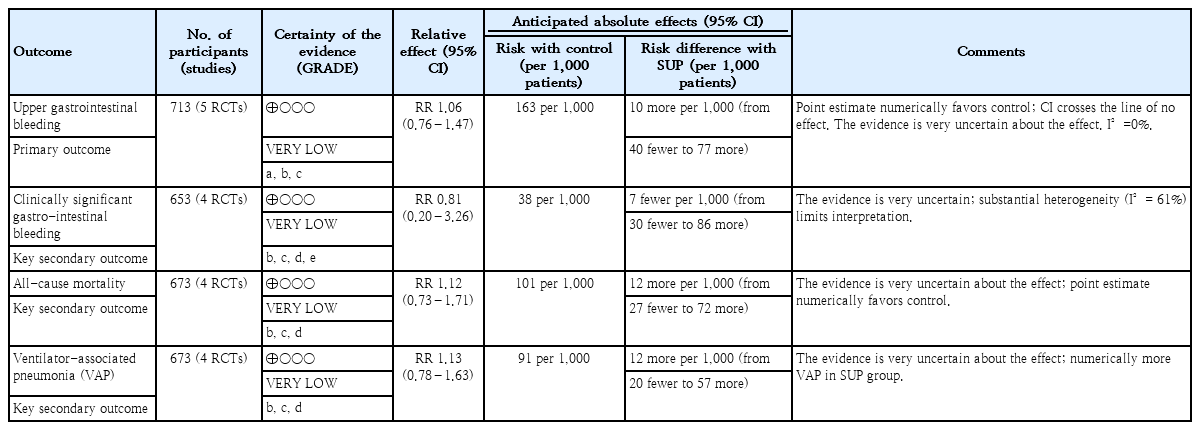
Summary of study findings
The primary outcome was any UGIB, defined according to each study’s criteria. Given the absence of a consensus definition across trials, any UGIB was selected over clinically significant gastrointestinal bleeding to maximize the number of studies eligible for the quantitative synthesis (rationale detailed in Appendix 3 of Supplementary Material). The key secondary outcomes were clinically significant gastrointestinal bleeding, all-cause mortality, and VAP, all defined according to the individual study criteria (see Appendix 3 of Supplementary Material for full definitions). Exploratory secondary outcomes included ICU length of stay, nosocomial infections (hospital-acquired pneumonia [HAP], Clostridioides difficile infection, and central line-associated bloodstream infection [CLABSI]), and other adverse effects, which were analyzed when reported by at least 2 studies.
4. Study selection and data extraction
Two independent reviewers, blinded to each other’s decisions, screened the titles and abstracts in the first round and the full texts in the second round. Disagreements were resolved through discussion; if unresolved, a third reviewer’s opinion was sought. The data were independently extracted into a predesigned extraction form (items listed in Appendix 4 of Supplementary Material).
5. RoB assessment
Risk of bias was assessed for the primary outcome and each key secondary outcome using the outcome-specific RoB 2 [24] for RCTs and the ROBINS-I V2 (November 2024 version) for nonrandomized studies [25]; at least 2 authors evaluated each study. For the RCTs, the RoB was categorized as low, some concerns, or high. Nonrandomized studies were categorized as low, moderate, serious, or critical. Studies with a critical RoB, indicating that they did not provide useful evidence about the intervention effect, were excluded from all syntheses; those with a serious RoB were excluded from the quantitative synthesis only.
6. Statistical analysis
The meta-analyses were performed using a random-effects model (DerSimonian-Laird method) to account for clinical and methodological heterogeneity [26]. Risk ratio (RR) and 95% confidence interval (CI) values were calculated for dichotomous outcomes, while mean differences (MDs) and 95% CIs were calculated for continuous outcomes. Medians and interquartile ranges were converted to means and standard deviations using established methods [27]. Zero-event studies were handled according to the default procedures implemented in Review Manager (RevMan) version 5. For studies with no events in one arm, a continuity correction of 0.5 was added to all cells of the 2×2 table, whereas studies with no events in both arms were treated as nonestimable and not included in the corresponding pooled estimate because they provided no information for estimating the relative treatment effect; however, they were retained in the review and are displayed in the forest plots.
For trials with multiple intervention arms, all acid-suppressive arms were combined into a single intervention group for comparison with the no-treatment or placebo-control arms. When a trial reported event counts only for a subset of the desired outcome, the trial was excluded from the corresponding analysis (Appendix 3 of Supplementary Material).
Statistical heterogeneity was assessed using the chisquare test and I² statistic (thresholds: ~25%, ~50%, ~75% for low, moderate, and high, respectively) [28]. The quantitative synthesis was primarily conducted using the RCTs. All analyses were performed using RevMan version 5.
7. Subgroup analysis
The following prespecified subgroup analyses of the primary outcome were performed: (1) prophylactic agent type (PPI vs. H2RA); (2) underlying condition; (3) disease severity; (4) mechanical ventilation status; and (5) coagulopathy. These exploratory analyses aimed to assess the consistency of treatment effects across clinically relevant subpopulations. Details of the subgroup analysis are provided in the Appendix 5 of Supplementary Material.
8. Sensitivity analyses
Sensitivity analyses excluded studies with a high risk of bias and assessed the consistency with observational data.
9. Publication bias
Publication bias was assessed using funnel plots; formal statistical tests were not planned if fewer than 10 studies were available.
10. Certainty of evidence assessment
The certainty of evidence was assessed using the GRADE approach for primary and key secondary outcomes [29]. Exploratory outcomes were not formally rated using GRADE; instead, they were reported as hypothesis-generating. Certainty was categorized into 4 levels: high, moderate, low, or very low (Appendix 6 of Supplementary Material).
Results
1. Study selection
A total of 414 records were identified in the electronic databases. After the removal of 128 duplicates, 286 records remained. Of these, 259 were excluded after the title and abstract screening, leaving 27 articles subjected to full-text review. Nine studies were excluded after this screening step, leaving 18 articles (7 RCTs [15-18,22,30,31] and 11 non-RCTs [6,9,19,32-39]) meeting all inclusion criteria (Fig. 1).
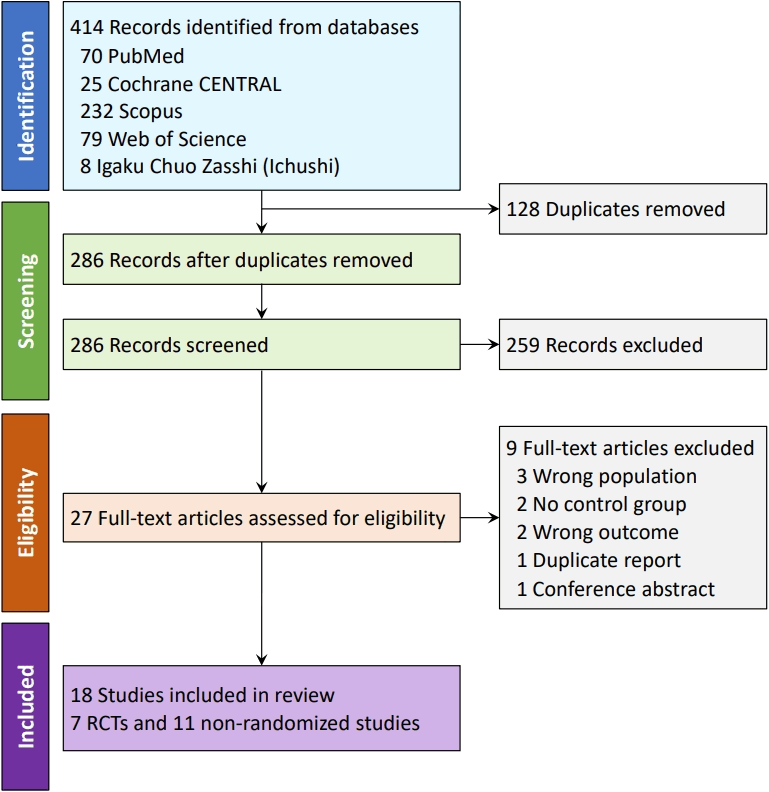
PRISMA (Preferred Reporting Items for Systematic Reviews and Meta-analyses) 2020 guidelines flow diagram of study identification and selection. A total of 414 records were identified, of which 286 remained after duplicate removal. After the title and abstract screening process, 27 full-text articles were assessed for eligibility, of which 9 were excluded. Thus, 18 studies were included in the qualitative synthesis.
2. Characteristics of included studies
The 18 included studies were published between 1986 and 2025 and conducted in North America (n=6), Asia (n=6), Europe (n=5), and Africa (n=1). Most were single-center studies conducted in PICUs or mixed ICUs. The detailed study characteristics are summarized in Supplementary Table 1.
The sample sizes ranged widely across studies, reflecting the heterogeneous nature of the available evidence. Most trials investigated the prophylactic use of PPIs or H2RAs for stress ulcer prevention; both enteral and intravenous routes were used. Seventeen studies reported the primary outcome, although the UGIB definitions varied considerably across studies (Supplementary Table 2); 10 defined clinically significant gastrointestinal bleeding as requiring hemodynamic intervention or a blood transfusion. Mortality and VAP cases were reported by 9 and 6 studies, respectively.
3. RoB assessment
The RoB was assessed for the primary outcome (UGIB) and key secondary outcomes (clinically significant gastrointestinal bleeding, mortality, and VAP) using the RoB 2 for RCTs and the ROBINS-I V2 for nonrandomized studies. Across all outcomes, 2 RCTs consistently had some concerns, whereas the remaining RCTs had a high risk of bias, primarily due to missing data and outcome measurement issues (Supplementary Fig. 1). All nonrandomized studies were judged as having a critical RoB, mainly due to uncontrolled confounding factors; subsequent domains were not assessed in accordance with the ROBINS-I V2 guidance [25], and all observational studies were excluded from all syntheses. The outcome-specific RoB details are provided in the Appendix 6 of Supplementary Material.
4. Outcomes
1) Primary outcome of UGIB
Seven RCTs provided data on UGIB. Of them, 2 were excluded from the primary quantitative synthesis: one (Eddleston 1989) because outcomes were reported only as percentages without group-specific denominators [30]; and one (López-Herce 1992) because arm-level event counts were reported only for clinically significant hemorrhages rather than any UGIB [15]. The study-specific data-handling decisions, including the treatment of multiarm trials and those with partial outcome reporting, are detailed in Appendix 7 of Supplementary Material. Overall, none of the RCTs demonstrated a statistically significant effect of prophylaxis on the prevention of UGIB. In the meta-analysis of 5 RCTs (3 with high risk of bias, 2 with some concerns), the evidence was very uncertain about the effect of SUP on UGIB (RR, 1.06; 95% CI, 0.76–1.47; n=713 participants) (Fig. 2A). The heterogeneity was not significant (P=0.93, I²=0%). A funnel plot inspection revealed no apparent asymmetry, although the interpretation was severely limited by the small number of trials (Supplementary Fig. 2). Due to the small number of included trials (n=5), no formal statistical tests of the funnel plot asymmetry were performed.
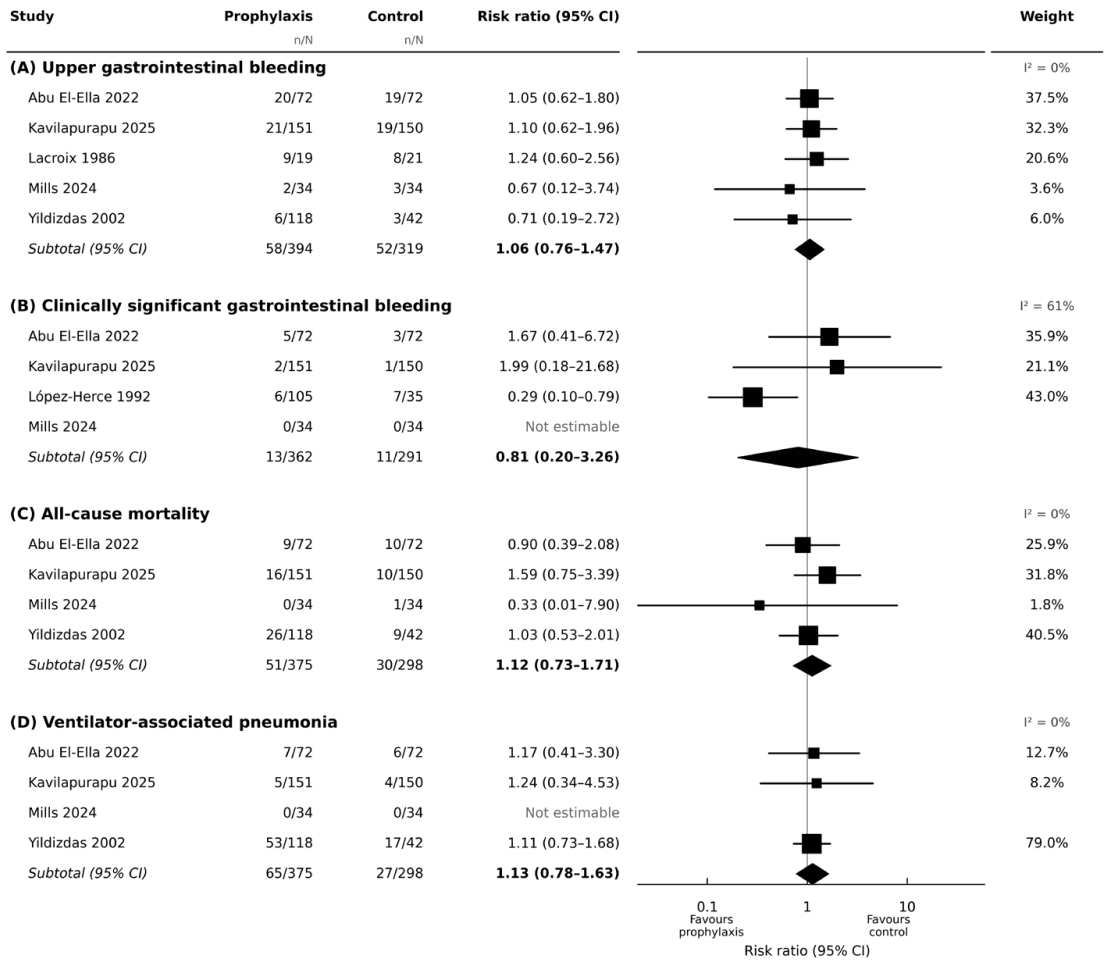
Forest plots of the primary and key secondary outcomes. (A) Upper gastrointestinal bleeding (primary outcome). (B) Clinically significant gastrointestinal bleeding. (C) All-cause mortality. (D) Ventilator-associated pneumonia. The evidence is very uncertain about the effects of stress ulcer prophylaxis on each outcome. CI, confidence interval.
All observational studies were excluded from the evidence synthesis because of the critical RoB.
2) Key secondary outcomes
Four RCTs (n=653 participants) reported clinically significant gastrointestinal bleeding; the evidence was very uncertain about the effect of acid-suppressive prophylaxis on this outcome (RR, 0.81; 95% CI, 0.20–3.26; I²=61%) (Fig. 2B). The substantial heterogeneity in this analysis (I²=61%) was driven primarily by López-Herce 1992 (RR, 0.29; 95% CI, 0.10–0.79) [15], which contrasted with both contemporary trials reporting null or harmful direction (Abu 2022: RR, 1.67; Kavilapurapu 2025: RR, 1.99) [17,18].
Mortality was assessed in 4 RCTs (n=673 participants), with very uncertain evidence regarding any effect of SUP (RR, 1.12; 95% CI, 0.73–1.71; I²=0%) (Fig. 2C). VAP was reported by 4 RCTs (n=673 participants), with very uncertain evidence regarding any effect of SUP (RR, 1.13; 95% CI, 0.78–1.63; I²=0%) (Fig. 2D). Similar to the primary outcome, all observational studies were excluded from the synthesis of the key secondary outcomes.
3) Exploratory secondary outcomes
ICU length of stay was reported by 3 studies (n=605 participants) with no significant difference among them (MD, -0.31; 95% CI, -1.22 to 0.61; I²=0%) (Fig. 3A).
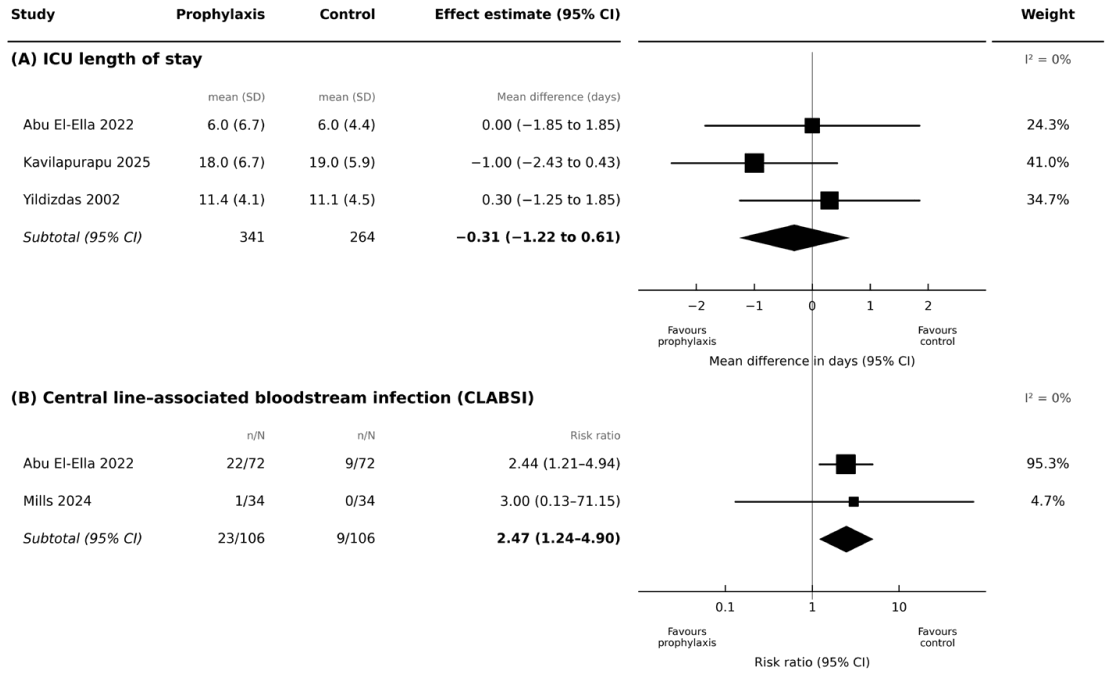
Forest plots of exploratory secondary outcomes. (A) ICU length of stay. (B) Central lineassociated bloodstream infection (CLABSI). The evidence is very uncertain about the effects of stress ulcer prophylaxis on each outcome. CI, confidence interval; ICU, intensive care unit; SD, standard deviation.
HAP and C. difficile infection were each reported in a single study with no significant intergroup difference [17].
CLABSI was reported by 2 studies (n=212 participants); SUP was associated with a higher CLABSI rate (RR, 2.47; 95% CI, 1.24–4.90; I²=0%) (Fig. 3B).
One study reported a case of erythema eruption in the ranitidine group; however, no significant intergroup difference in adverse effects was observed [15].
5. Subgroup analyses
Among RCTs reporting the primary outcome, neither PPIs (3 studies: RR, 1.05; 95% CI, 0.72–1.55; I²=0%) nor H2RAs (3 studies: RR, 1.06; 95% CI, 0.57–1.97; I²=0%) showed a statistically significant preventive effect on UGIB (Fig. 4A and B).
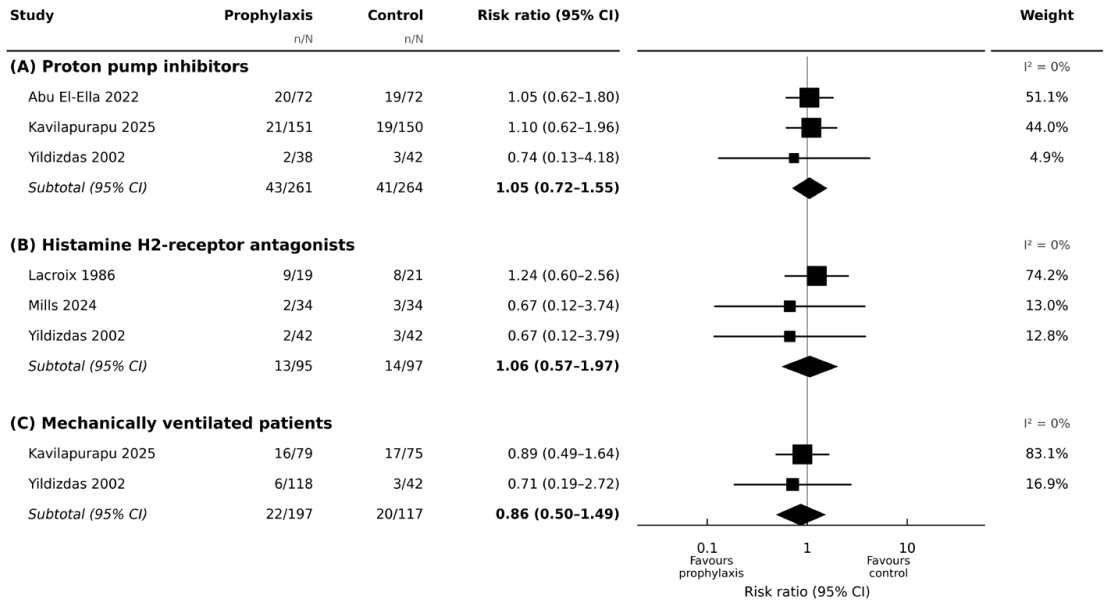
Forest plots of prespecified subgroup analyses of the primary outcome (any upper gastrointestinal bleeding). (A) Proton pump inhibitors (PPIs). (B) Histamine H2-receptor antagonists. (C) Mechanically ventilated patients. These subgroup analyses were exploratory and assessed the consistency of the treatment effect across clinically relevant subpopulations. CI, confidence interval.
A subgroup analysis by underlying condition was not feasible due to incomplete data reporting by 1 of the 2 eligible RCTs (Appendix 7 of Supplementary Material).
None of the included studies reported subgroup analyses by disease severity; one study enrolled only patients with a pediatric Sequential Organ Failure Assessment score of <16 [17,40], showing no significant reduction in UGIB.
In mechanically ventilated patients, 2 studies showed no significant difference (RR, 0.86; 95% CI, 0.50–1.49; I²=0%) (Fig. 4C).
In the coagulopathy subgroup from one RCT (n=54), the univariate analysis showed no significant intergroup difference; however, the trial's post hoc multivariable analysis adjusted for shock and mechanical ventilation reported reduced gastrointestinal bleeding with pantoprazole (adjusted RR, 0.52; 95% CI, 0.32–0.87) [18].
6. Sensitivity analysis
A planned sensitivity analysis of the observational studies was not performed because none met the eligibility criteria following the ROBINS-I V2 assessment. For the primary outcome, a sensitivity analysis of only the 2 RCTs with some concerns, excluding 3 high-risk-of-bias RCTs, yielded consistent results (RR, 1.04; 95% CI, 0.60–1.81; n=369 participants) with those of the main analysis (Supplementary Fig. 3).
7. Certainty of evidence and summary of findings
Table 1 summarizes the main findings of our analysis. The certainty of the evidence for all outcomes was rated as very low, primarily owing to the RoB, imprecision, and indirectness.
Discussion
In this updated and expanded systematic review and meta-analysis incorporating the most current evidence, we found that the evidence is very uncertain regarding the efficacy of SUP in preventing UGIB and clinically significant gastrointestinal bleeding. Importantly, the increased mortality with SUP reported in a previous study was not reproduced herein, nor was there an increased risk of VAP, although all of these outcomes were rated with very low certainty by GRADE.
Because this evidence did not demonstrate a benefit, and given the very low certainty, these findings reflect an absence of demonstrated benefit rather than evidence of no benefit.
Recent adult RCTs and meta-analyses demonstrated reduced clinically significant gastrointestinal bleeding without improving mortality [13,14,41]. However, pediatric evidence, including our synthesis, has not corroborated similar benefits [20,21], reinforcing that evidence derived in adults cannot be assumed to apply to critically ill children.
Several factors may explain the absence of demonstrated benefit. First, variations in intervention strategies and bleeding definitions introduce clinical heterogeneity that cannot be fully resolved by statistical pooling. We selected any UGIB as the primary outcome to maximize the number of contributing trials; because this broadly defined endpoint encompasses bleeding of varying clinical importance, it may have attenuated the pooled estimate if prophylaxis predominantly prevents clinically significant bleeding. Second, clinically significant bleeding was infrequent (3.8% of controls), leaving the trials underpowered; detecting a 30% relative reduction at 80% power would require approximately 7,500 patients, more than 10 times the 653 available. The prespecified plan to supplement these data with observational studies could not be realized, as all observational studies were at critical RoB in the outcome-specific ROBINS-I V2 assessment (Appendix 8 of Supplementary Material), precluding a meaningful quantitative synthesis. Third, cointerventions such as enteral nutrition were inconsistently reported and could have obscured any treatment effects. Finally, the true effects of SUP may genuinely be smaller in critically ill children than in adults. Because these explanations cannot be distinguished with the current evidence, the findings are better regarded as uninformative than as showing no effect; at present, they can neither support nor refute the benefits of SUP.
Our synthesis also helps reconcile the conflicting conclusions of 2 prior pediatric reviews. By incorporating observational studies alongside RCTs, one review raised the possibility that prophylaxis increases mortality [20]— appropriately drawing attention to the question of real clinical importance. However, observational data are especially susceptible to confounding by indication because sicker children, who are at higher risk of mortality, are also more likely to receive prophylaxis. Applying the ROBINS-I V2 tool, we judged all 11 nonrandomized studies as being at critical RoB from this confounding factor and excluded them from the synthesis accordingly. In the remaining randomized studies, the mortality signal was not reproduced, concordant with a prior randomized-only synthesis [21], suggesting that it most plausibly reflected confounding factors rather than the true effect of the prophylaxis. Although very uncertain, this estimate reflects methods that have advanced since earlier reviews, and it neither confirms the earlier harm nor establishes safety. In addition, the increased nosocomial pneumonia reported in the earlier review [20] was likewise not reflected in our analysis of VAP, although the 2 are distinct outcomes and not directly comparable.
However, exploratory analyses raised a different infection-related concern. SUP was associated with a potential increase in CLABSI. One plausible mechanism is that acid suppression-induced changes in the microbiota promote bacterial translocation [42]. This finding warrants a prospective evaluation but should be interpreted cautiously since only 2 studies (n=212) contributed to the analysis and the exploratory nature of the outcome.
It remains unclear whether any subgroup of critically ill children derives a net benefit from SUP. Higher-risk adult patients, such as those with coagulopathy or prolonged mechanical ventilation, are considered the most likely to benefit [1], but these predictors have not been validated in critically ill children. The only pediatric signal of possible benefit in our review arose in a coagulopathy subgroup, in which a single trial's adjusted analysis suggested reduced bleeding with pantoprazole [18]; as a small post hoc finding, this is hypothesis-generating rather than confirmatory.
This review had several methodological strengths. First, the inclusion of 3 recent RCTs [17,18,22] substantially expanded the cumulative pediatric RCT evidence base of the primary outcome from 504 participants in the most recent prior synthesis [21] to 713 participants. Second, to the best of our knowledge, this is the first pediatric SUP synthesis study to apply outcome-specific RoB 2 to all key clinical outcomes, providing a granular appraisal. Third, we identified 2 trials with nonreconstructable outcomes data that were included in prior reviews and excluded them from our primary outcome analysis, thereby strengthening the internal validity of the pooled estimates.
This study also has several limitations. First, the small number of trials and the limited sample size resulted in imprecision and reduced statistical power. Second, the outcome definitions varied across studies, and cointerventions may have influenced the treatment effects. Third, all observational studies were excluded because of the critical RoB according to the ROBINS-I V2, which substantially restricted the evidence base. Fourth, several outcomes—including clinically significant bleeding and CLABSI—contained studies with no events in one or both arms. Since meta-analyses of such sparse data can be sensitive to the default 0.5 continuity correction applied by the software, the pooled estimates for these outcomes should be interpreted with particular caution. Finally, the certainty of evidence was very low for all outcomes according to GRADE, limiting the strength of any inference.
These limitations point to a clear path forward. Although the observational studies in our review could not reliably estimate treatment effects, an observational design is well suited to risk stratification. A multicenter prospective study could identify which critically ill children are at sufficiently high risk of clinically significant bleeding to plausibly benefit from SUP. To achieve this, the study would need to apply a prespecified, uniform bleeding definition and rigorously adjust for key confounders such as illness severity, mechanical ventilation, coagulopathy, and concomitant medications. Characterizing such a higher-risk population, with its higher baseline event rate, would make a targeted randomized trial feasible with a far smaller sample size than the unselected trials conducted to date. This sequential strategy of observational risk stratification followed by a focused RCT offers a pragmatic route to the definitive evidence that pediatric SUP still lacks.
In conclusion, by appraising every observational study using the ROBINS-I V2 rather than excluding them by design and finding all at critical risk of confounding by indication, this review reconciles earlier conflicting pediatric syntheses; the mortality signal was not reproduced. The evidence remains very uncertain about the effects of SUP on bleeding, mortality, or VAP in critically ill children. Because the randomized evidence neither showed a benefit nor excluded an exploratory signal of increased CLABSI and the certainty of the evidence is very low, these findings should be interpreted as reflecting an absence of a demonstrated benefit rather than evidence of no benefit. Accordingly, current evidence is insufficient to support the routine use of SUP, and adequately powered pediatric trials are required to clarify its benefits and harms.
Supplementary materials
Appendices 1-8, Supplementary Tables 1-2, and Supplementary Figs. 1-3 are available at https://doi.org/10.3345/cep.2026.01823.
Search Strategies
Full Eligibility Criteria — Exclusion Criteria
Outcome Definitions and Rationale for Primary Outcome Selection
Data Extraction Items
Sensitivity and Subgroup Analysis — Detailed Rationale
Assessment of Certainty of Evidence (GRADE)
Risk of Bias Assessment Details
Supplemental Results
Characteristics of Included Studies
Upper Gastrointestinal Bleeding Definitions Across Included Studies
Outcome-specific Risk of Bias (RoB 2) of Randomized Controlled Trials
Funnel Plot — Primary Outcome (Any Upper Gastrointestinal Bleeding)
Sensitivity Analysis — Restricting to RCTs with Low Risk of Bias or Some Concerns
Notes
Conflicts of interest
No potential conflict of interest relevant to this article was reported.
Funding
This study received no specific grant from any funding agency in the public, commercial, or not-forprofit sectors.
Acknowledgments
During the preparation of this work, the authors used Claude Code (Anthropic, USA) to assist with English language editing and generate code for figure creation and the assembly of tables and multipanel figures using author-provided data. This tool was not used to create or alter the underlying research data or data-representing images. After using this tool, the authors reviewed and edited the content as needed and take full responsibility for the content of the publication.
Author contribution
Conceptualization: HO, SN, MF; Data curation: HO, SN; Formal analysis: HO, SN; Methodology: HO, SN, MF; Project administration: HO, MF; Visualization: HO; Writing - original draft: HO; Writing - review & editing: SN, MF