
 About
About Browse articles
 For contributors

Rising incidence of central precocious puberty in Thailand: a nationwide population-based study before, during, and after the COVID-19 pandemic (2018–2024)
-
Pattara Wiromrat, MD1
 , Preamrudee Poomthavorn, MD2, Ratikorn Chaisiwamongkol, MD1, Chaiyawat Suppasilp, MD3, Ouyporn Panamonta, MD1, Ratchaneewan Sinitkul, MD, PhD4
- Corresponding author: Pattara Wiromrat, MD. Division of Endocrinology, Department of Pediatrics, Khon Kaen University, Mitraparp Highway, Khon Kaen 40002, Thailand Email: patwiro@kku.ac.th
- Received April 21, 2026 Revised June 24, 2026 Accepted July 13, 2026
- Abstract
-
- Background
- Background
- Nationwide data on the incidence of central precocious puberty (CPP) and premature thelarche (PT), a benign variant of pubertal development, are limited.
- Purpose
- Purpose
- To evaluate trends in CPP and PT incidence among Thai children before, during, and after the COVID-19 pandemic.
- Methods
- Methods
- This cross-sectional population-based study used National Health Security Office (NHSO) claims data from 2018 to 2024. CPP and PT were identified using ICD-10-TM (International Statistical Classification of Diseases and Related Health Problems, 10th Revision, Thai Modification) codes. Annual incidence rates (AIRs) were calculated for each NHSO-insured population, while incidence rate ratios (IRRs) were estimated using quasi-Poisson regression.
- Results
- Results
- A total of 6,782 girls and 189 boys with CPP, and 1,594 girls with PT, were included. Among girls, the CPP AIR increased from 15.0 per 100,000 person-years in 2018 to 51.7 in 2021 and remained elevated during 2022–2024 (44.1–47.7). The IRR was 2.27 (95% confidence interval [CI], 1.82–2.83) for pandemic versus prepandemic, and 1.06 (95% CI, 0.89–1.26) for postpandemic versus pandemic period. An age-stratified analysis showed the greatest increase among girls aged 8 to <9 years. Among boys, the CPP AIR remained low and stable (0.6–1.0 per 100,000 person-years). The female-to-male IRR was 43.0 (95% CI, 33.5–55.3). The incidence of PT in girls increased from 7.2 in 2018 to 14.6 per 100,000 person-years in 2024, with the largest increase observed among those aged 7 to <8 years.
- Conclusion
- Conclusion
- The incidence of CPP among Thai girls increased during the COVID-19 pandemic and remained elevated thereafter, whereas the incidence of PT increased gradually. Both trends were most pronounced in peripubertal age groups. Further studies are required to determine whether these patterns reflect pandemic-related factors or an earlier onset of puberty.
Graphical abstract. CPP, central precocious puberty; COVID-19, coronavirus disease 2019; CI, confidence interval; ICD-10, International Classification of Diseases, Tenth Revision.
- Introduction
- Introduction
Central precocious puberty (CPP) is among the most common endocrine disorders in girls but is rare in boys. It is defined by premature activation of the hypothalamic-pituitary-gonadal axis before age 8 years in girls and 9 years in boys. Early secondary sexual development and accelerated skeletal maturation may result in psychosocial difficulties and compromised adult height [1-3]. A recent systematic review has also demonstrated that CPP may increase the risk of early menopause, breast cancer, obesity, and cardiovascular disease [4]. Beyond these clinical impacts, CPP also imposes a substantial economic burden. Affected children incur healthcare costs that are approximately 6–12 times higher than those of their unaffected peers, largely attributable to CPP itself and its associated comorbidities [5]. Accordingly, national epidemiologic data are essential to quantify disease burden, enable cross-regional comparisons, and inform healthcare planning, resource allocation, and prevention strategies.A recent systematic review of global CPP epidemiology data demonstrated marked heterogeneity across countries and socioeconomic settings, with a pooled prevalence of ~7.9% in girls and ~4.0% in boys [6]. Prevalence was highest in Asian populations and in low- and upper-middle-income countries. However, incidence data remain limited and are derived predominantly from high-income settings [6]. Across 9 studies from 7 countries (South Korea [7], Denmark [8], Taiwan [9], France [10], Spain [11], Italy [12], and Puerto Rico [13]), incidence ranged from 1.1 to 489 per 100,000 girls and 0.1 to 22.4 per 100,000 boys, highlighting substantial variation across settings [6]. A few longitudinal data also consistently demonstrate increasing CPP incidence over time [7,8,14,15], in parallel with a global shift toward earlier pubertal onset [16]. Among these, South Korea has shown the most pronounced rise, with incidence in girls increasing from 89 to 1,415 per 100,000 between 2008 and 2020 [7]. This trend was further accentuated during the coronavirus disease 2019 (COVID-19) pandemic, with multiple reports demonstrating a surge in CPP diagnoses [17]. However, postpandemic trends remain unclear, and only few studies have evaluated the incidence trend across pre-, during, and postpandemic trajectory within a single national cohort [14,15,18]. Nationwide incidence data from Southeast Asia, including Thailand, remain lacking despite the region’s potential contribution to the global burden. In addition, epidemiologic data on premature thelarche (PT), a common benign pubertal variant that overlaps clinically with CPP, are scarce and rarely evaluated alongside CPP. Therefore, we conducted a nationwide population-based study to examine temporal trends in the incidence of CPP and PT among Thai children from 2018 to 2024, across the COVID-19 periods.
- Methods
- Methods
- 1. Data source and study population
- 1. Data source and study population
Children diagnosed with CPP or PT from January 1, 2018 to December 31, 2024 were included from the National Health Security Office (NHSO) claims database. This database captures healthcare utilization under Thailand’s Universal Coverage Scheme (UCS), the main public insurance program, covering ~72% of the pediatric population [19]. Care is delivered through public hospitals and affiliated private providers. The NHSO provided deidentified claims and population data following appropriate approvals. The study was approved by the Khon Kaen University Ethics Committee (HE681540) and conducted in accordance with the 2024 Declaration of Helsinki. For this type of study, formal consent is not required. Reporting followed the STROBE (Strengthening the Reporting of Observational Studies in Epidemiology) guidelines [20].- 2. CPP and PT case ascertainment
- 2. CPP and PT case ascertainment
CPP individuals were included if they had (1) an index hospital visit with an International Statistical Classification of Diseases and Related Health Problems, 10th Revision, Thai Modification (ICD-10-TM) diagnostic code for CPP (E30.1 or E22.8) before age 9.0 years in girls and 10.0 years in boys, and (2) ≥1 subsequent visit with a CPP code over a minimum follow-up interval of 6 months. Age thresholds were extended by 1 year beyond the clinical diagnostic criteria to account for delays between pubertal onset and parental recognition, medical consultation, or referral to a pediatric endocrinologist, as suggested by previous studies [8,21]. In sensitivity analyses, the conventional clinical age cutoffs of <8.0 years for girls and <9.0 years for boys were applied to assess potential overestimation of annual incidence. Because gonadotropin-releasing hormone agonist (GnRHa) prescription data were not available, a 6-month follow-up requirement was implemented to enhance diagnostic validity. Patients with diagnostic codes for peripheral precocious puberty or related conditions were excluded, including McCune- Albright syndrome (Q78.1), ovarian cysts (N83), ovarian tumors (C56, D27, D39, E28.8, E28.9), exogenous hormone exposure (E28.0, T38.4, T38.5, T38.7), congenital adrenal hyperplasia (E25), testicular tumors (C62, D29, D40), testicular hyperfunction (E29.0), and adrenal tumors (D35, C74). For PT, female patients were included if they had ≥1 diagnostic code of E30.8 or E30.9 before age 8.0 years, with no CPP diagnostic codes at any time. Different inclusion criteria were applied for PT because it is rarely diagnosed after 8 years of age and typically does not require further treatment.In Thailand, all suspected cases for CPP are referred to pediatric endocrinologists for confirmation, supporting the diagnostic validity in this study. CPP is diagnosed according to national criteria: (1) breast development before 8 years in girls or testicular volume ≥4 mL before 9 years in boys, (2) bone age advancement ≥1 year, and (3) biochemical confirmation, defined as serum basal luteinizing hormone (LH) ≥0.3 IU/L or peak LH ≥5 IU/L after a GnRH stimulation test. PT is defined by (1) isolated breast development before age 8 years, (2) no bone age advancement, and (3) if tested, prepubertal level of LH.- 3. Statistical analysis
- 3. Statistical analysis
Analyses were performed using R ver. 4.5.2 (R Foundation for Statistical Computing, Austria). For incidence estimation, 2017 data were used as a washout period to exclude prevalent CPP and PT cases, and 2025 data were included to ensure adequate follow-up. The denominator was based on annual counts of the UCS-insured population from the NHSO registration database. Therefore, children could contribute to the denominator in multiple calendar years while remaining age-eligible and UCS-insured.Crude annual incidence rates (AIRs) were calculated as incident CPP and PT cases divided by the population at risk for each year (2018–2024) and expressed per 100,000 person-years. AIRs and corresponding 95% confidence intervals (95% CIs) were estimated assuming a Poisson distribution. Age- and sex-specific incidence rates were also calculated. For CPP, age was stratified as 0 to <2, 2 to <4, 4 to <6, 6 to <7, 7 to <8, and 8 to <9 years in girls, with an additional 9 to <10-year group in boys. For PT, age groups were 0 to <2, 2 to <4, 4 to <6, 6 to <7, and 7 to <8 years. Sex-specific incidence rate ratios (IRRs) were estimated using quasi-Poisson regression with log person-years as an offset, adjusting for sex and calendar year.To examine temporal changes in incidence across the COVID-19 period, 3 predefined periods were used including prepandemic (2018–2019, reference), pandemic (2020–2022), and postpandemic (2023–2024). Differences between periods were evaluated using quasi-Poisson regression with a log link and person-years as an offset, including period as a categorical variable and adjusting for age category. IRRs were estimated for the pandemic and postpandemic periods relative to the prepandemic period, and for the postpandemic period compared with the pandemic period. Two-sided P values <0.05 were considered statistically significant.
- Results
- Results
- 1. Annual incidence of CPP and PT
- 1. Annual incidence of CPP and PT
During 2018–2024, a total of 6,782 girls and 189 boys were diagnosed with CPP, and 1,594 girls were diagnosed with PT. In girls, the AIR of CPP ranged from 15.0 to 51.7 per 100,000 person-years (Supplementary Table 1; Fig. 1A). The AIR increased gradually before the pandemic (2018–2020), peaked in the first pandemic year (2021), and stabilized thereafter (2022–2024). For PT, AIR gradually increased over time from 7.2 to 14.6 per 100,000 person-years. In boys (Fig. 1B), the AIR of CPP increased modestly before the pandemic and remained stable thereafter (0.6–1.0 per 100,000 person-years). In sensitivity analyses (Supplementary Table 1; Fig. 1A and B) using the conventional diagnostic age cutoffs (<8 years in girls and <9 years in boys), the AIRs for girls with CPP were lower than those obtained using the 1-year-extended cutoffs; however, the overall temporal pattern remained consistent, increasing from 10.6 per 100,000 person-years in 2018 to a peak of 31.8 in 2021 and remaining elevated through 2024 (26.4). In boys, the AIRs and temporal trends were similar to those observed in the primary analysis.The female-to-male IRR rose from 25.1 (95% CI, 16.2–38.9) in 2018 to 57.3 (95% CI, 39.7–82.8) in 2021 (Supplementary Table 1), then declined to 44.0 (95% CI, 30.2–64.0). The overall female-to-male IRR, adjusted for calendar year, was 43.0 (95% CI, 33.5–55.3).- 2. Age- and sex-specific incidence rates of CPP and PT
- 2. Age- and sex-specific incidence rates of CPP and PT
For CPP, girls aged 8 years consistently had the highest AIR (48.2–190.7 per 100,000 person-years; Fig. 2A), followed by those aged 7–<8 years (43.3–138.6), 6–<7 years (15.6–61.3), 4–<6 years (4.3–10.4), 0–<2 years (3.4–4.8), and 2–<4 years (0.4–2.7). Consistent with these patterns, girls aged 8–<9 years accounted for the largest proportion of cases across all study years (Fig. 3A), followed by those aged 7–<8 and 6–<7 years. In boys, age-specific AIR fluctuated over time (data not shown). Before the pandemic, younger boys aged <6 years contributed a greater proportion of cases (50%–67%; Fig. 3B), whereas older boys aged 8–<10 years predominated postpandemic (60%–71%).For PT (Fig. 2B), girls aged 7–<8 years had the highest AIR (14.5–41.7 per 100,000 person-years), while those aged 2–<4 years had the lowest (1.3–2.9). Compared with girls aged 6–<7 years, those aged 0–<2 years had higher AIR before the pandemic, slightly lower AIR during the pandemic, and comparable AIR postpandemic. Girls aged 0–<2 years accounted for the largest proportion of PT cases in the prepandemic, whereas girls aged 7–<8 years predominated during the pandemic and postpandemic periods (Fig. 3C).- 3. Overall incidence trends of CPP and PT across COVID-19 period
- 3. Overall incidence trends of CPP and PT across COVID-19 period
Quasi-Poisson regression with adjustment for age category was used to compare incidence across the 3 study periods. In girls, CPP incidence more than doubled during the pandemic compared with the prepandemic baseline (IRR, 2.27; 95% CI, 1.82–2.83; P<0.001) and remained elevated postpandemic (IRR, 2.41; 95% CI, 1.90–3.05; P<0.001). No significant difference was observed between the postpandemic and pandemic periods (IRR, 1.06; 95% CI, 0.89–1.26; P=0.49). In boys, CPP incidence did not differ across periods, with no increase during the pandemic (IRR, 1.29; 95% CI, 0.87–1.91; P=0.21) or postpandemic (IRR, 1.33; 95% CI, 0.86–2.05; P=0.21), and no difference between postpandemic and pandemic periods (IRR, 1.03; 95% CI, 0.70–1.50; P=0.88). In sensitivity analyses, CPP incidence among girls remained approximately twofold higher during the pandemic than in the prepandemic period (IRR, 2.11; 95% CI, 1.69–2.65) and remained elevated in the postpandemic period (IRR, 2.08; 95% CI, 1.63–2.66), with no significant difference between the pandemic and postpandemic periods (IRR, 0.98; 95% CI, 0.82–1.19). Among boys, no period-specific differences reached statistical significance.PT incidence in girls increased progressively over time. Compared with the prepandemic period, incidence was higher during the pandemic (IRR, 1.31; 95% CI, 1.09–1.57; P=0.004) and rose further in the postpandemic period (IRR, 1.74; 95% CI, 1.43–2.11; P<0.001). Postpandemic incidence also remained higher than during the pandemic (IRR, 1.33; 95% CI, 1.13–1.57; P<0.001).- 4. Age-stratified incidence trends
- 4. Age-stratified incidence trends
In girls, the pandemic-associated increase in CPP was driven by older age groups (4–<9 years), with IRRs rising from 1.60 at 4–<6 years to 2.50 at 8–<9 years, while no change was observed in those aged <4 years (Table 1). This pattern was persistent into postpandemic, with no significant difference compared with the pandemic period. In boys, no consistent age-specific pattern was observed, except that those aged 9–<10 years showed higher postpandemic incidence than prepandemic.For PT, the increase was most pronounced in girls aged 7–<8 years across all periods, with smaller increases in those aged 6–<7 years and a postpandemic rise in those aged 0–<2 years.
- Discussion
- Discussion
This nationwide study used Thailand’s primary healthcare claims database (2018–2024) to examine the incidence of CPP and PT in children. Our results demonstrated that CPP incidence in Thai children (15–51.7 per 100,000 person-years) was lower than that reported in other Asian countries but generally higher than earlier reports from Europe. As expected, incidence was markedly higher in girls than boys. In girls, CPP incidence increased during the COVID-19 pandemic and remained elevated thereafter, with the greatest rise in peripubertal age groups, whereas incidence in boys remained stable. PT incidence in girls increased steadily throughout the study period. Collectively, these findings provide important evidence to inform healthcare and resource planning, while contributing to the global understanding of CPP epidemiology.Our study found that both the contemporary incidence and the rate of increase of CPP in Thai girls were lower than those reported in higher-income Asian countries [7,9]. In South Korea, incidence during 2004–2010 was comparable to our findings [22], but subsequently rose sharply to 1,415 per 100,000 person-years by 2020 [7], far exceeding the peak observed in our study. In Taiwan, incidence during 2002–2013 already exceeded that of South Korea and likely continued to rise [9]. Differences between Thailand and these East Asian countries may partly reflect genetic background, as Korean and Taiwanese populations share East Asian ancestry distinct from the Thai population [23,24]. Environmental and lifestyle factors, such as the rising prevalence of obesity [25] and greater exposure to endocrine-disrupting chemicals, may also contribute to higher CPP incidence [26]. Compared with Western countries, CPP incidence in our study was higher than earlier reports from Mediterranean Europe (1997–2013; 0.1–26.8 per 100,000 girls), including France, Italy, and Spain [10-12]. However, these estimates were generated up to 2 decades ago and should be interpreted in the context of a global upward trend. In contrast, Denmark has consistently reported higher incidence, increasing from 26 per 100,000 person-years in 1998 to 146 in 2017 [8]. Beyond biological and environmental factors, cross-country differences may also be influenced by variation in case definitions, referral pathways, and registry completeness, with countries such as Denmark and South Korea having highly comprehensive national health registries [27,28].Compared with the sensitivity analysis using the conventional age cutoff (<8 years), the primary analysis utilizing the extended cutoff (<9 years) yielded higher AIRs of CPP in girls while temporal trends remained unchanged. This pattern is in line with Korean [7] and Danish [8] claims-based studies, where broader age criteria produced higher incidence estimates. However, unlike those studies which utilized clinical data [8] or GnRHa prescription records [7] to support CPP ascertainment, our dataset lacked such information. Consequently, our findings warrant cautious interpretation, as the inclusion of girls aged 8–<9 years may have captured some children with early or rapidly progressive puberty rather than definite CPP.During the COVID-19 pandemic, a marked increase in CPP incidence was observed, reaching an approximately 2.3-fold peak. This finding is congruent with a meta-analysis showing an approximately twofold increase in the odds of precocious puberty during the pandemic [17]. Lockdowns and school closures were associated with increased caloric intake, reduced physical activity, greater psychosocial stress, and increased screen time, all of which are associated with obesity and accelerated pubertal progression [29]. However, data on CPP epidemiology in the postpandemic period remain limited. While a single-center study from the United States demonstrated a decline in CPP cases after the pandemic [18], our results, together with data from Japan and Turkey, showed persistently elevated incidence [14,15]. This finding may be attributable to persistent lifestyle changes adopted during the pandemic [3] or sustained increases in childhood obesity [30]. However, because CPP incidence had already increased during the prepandemic period, the persistently elevated postpandemic incidence may also reflect continuation of a preexisting upward trend. Future studies with longer prepandemic and postpandemic observation periods are needed to distinguish pandemic-related effects from underlying secular trends.In age-stratified analyses, the largest increase in CPP incidence during the peak of the COVID-19 pandemic occurred in girls aged 4–<9 years, particularly those aged 8–<9 years. After the peak, incidence appeared to decline slightly across age groups, though changes were not statistically significant. In contrast, incidence remained stable in girls aged 0–<4 years. These patterns are consistent with data from South Korea and Denmark, which showed greater increases among peripubertal-aged girls, particularly around age 8 years [7,8]. Together, these findings suggest that environmental factors may preferentially accelerate pubertal onset during the peripubertal window.To date, few studies have examined PT epidemiology. In our study, PT incidence in Thai girls increased gradually over time, with a smaller rise than CPP, reaching approximately twofold above baseline by 2024. Our incidence was substantially lower than that reported in Danish and Swedish populations [8,31]. In age-stratified analyses, the increase was greatest in older girls aged 7–<8 years, paralleling CPP patterns but at lower rates. PT occurring at atypical ages (>2 years) has been recognized as a potential precursor of early normal puberty or CPP [32]. Among younger girls aged <2 years, incidence also increased, particularly postpandemic.The overall increase in PT and CPP incidence in our study is consistent with global trends and parallels the secular shift toward earlier pubertal onset worldwide [16]. In Thailand, previous studies have demonstrated declines in age at thelarche of ~1–2 months per decade and in age at menarche of 2–5 months per decade [33,34]. These findings raise ongoing debate regarding whether current age cutoffs for thelarche should be reconsidered, as several studies found no adverse impact on final height in girls entering puberty at 7–8 years [35]. The introduction of fully subsidized quarterly GnRHa therapy in Thailand in 2019 may have improved treatment accessibility and reduced financial barriers, potentially increasing healthcare-seeking behavior, referral to pediatric endocrinology services, and case detection. Greater availability of treatment may also have increased awareness of CPP among clinicians and families. Additionally, obesity among Thai children continued to rise across the COVID-19 period, which may have further contributed to CPP risk [30].Nationwide data on CPP incidence in boys are limited and less up-to-date than in girls. Our study found that CPP incidence in Thai boys was substantially lower than that reported in recent studies from other countries, approximately 4-, 10-, and 100-fold lower than rates observed in Turkey [14], Denmark [8], and South Korea [7], respectively. Our estimates were also lower than those from earlier studies conducted during 2000–2013 [8-10]. While several studies demonstrated a significant increase in CPP incidence in boys during the COVID-19 pandemic [14,15], we observed a relatively stable incidence over the same period. Given the small number of male cases and the resulting wide CIs, these findings in boys should be regarded as exploratory. The lower incidence in Thai boys, together with the absence of a pandemic-related increase, may reflect underdiagnosis rather than true biological differences. Testicular enlargement is less apparent than breast development in girls and requires clinical examination, contributing to underrecognition. Limited parental awareness may further delay detection, as early changes are often unnoticed until more advanced Tanner stages. These findings suggest the need to improve awareness to enhance case detection in boys in Thailand.In conclusion, CPP incidence in Thai girls increased during COVID-19 and remained elevated thereafter, while PT incidence rose gradually. These trends were most pronounced among peripubertal-aged girls and may reflect pandemic-related changes in obesity, lifestyle, awareness, or a possible shift toward earlier pubertal onset. Further longitudinal studies incorporating clinical, anthropometric, and lifestyle data are needed to better understand the factors associated with these trends and their clinical implications.This study has several limitations. First, the NHSO database lacks clinical, laboratory, radiographic, and GnRHa prescription data; therefore, CPP diagnoses could not be validated against national diagnostic criteria. Although repeated ICD-10-TM coding with a minimum 6-month follow-up period and systematic exclusion of peripheral causes were used to improve case ascertainment and diagnostic specificity, these approaches do not confirm the clinical diagnosis of CPP at the individual level. Accordingly, this study should be interpreted as estimating trends in administratively coded CPP diagnoses, rather than clinically confirmed CPP. Moreover, extending the age definition by 1 year may have included some cases of early puberty or a fast pubertal tempo rather than true CPP, potentially leading to overestimation of incidence. Therefore, the AIR results should be interpreted with caution. Nevertheless, the temporal trends were consistent between the main and sensitivity analyses, supporting the robustness of the observed trend. Second, misclassification for CPP and PT due to reliance on ICD-10-TM coding remains possible. Third, the analysis was restricted to children insured under the UCS and did not include those covered by other insurance schemes, who may differ in socioeconomic background, healthcare-seeking behavior, access to pediatric endocrine services, and referral patterns. Although the UCS covers approximately 72% of Thai children and provides broad nationwide representation, the incidence estimates should be interpreted as reflecting the UCS-insured pediatric population rather than all Thai children. Caution is therefore warranted when generalizing these findings to uninsured groups, privately insured populations, or health systems outside Thailand. Fourth, key individual-level factors, including body mass index, physical activity, screen time, psychosocial stress, and socioeconomic status, were unavailable, limiting mechanistic inference. Finally, the relatively short observation period precludes definitive conclusions on whether the postpandemic elevation reflects a sustained secular trend or a transient effect.
Supplementary material
Supplementary material
Supplementary Table 1 is available at https://doi.org/10.3345/cep.2026.00983.Supplementary Table 1.
cep-2026-00983-Supplementary-Table-1.pdfNumber of cases, population at risk, annual incidence rates, and female-to-male incidence rate ratios of central precocious puberty and premature thelarche
- Conflicts of interest
-
Conflicts of interest No potential conflict of interest relevant to this article was reported.
-
- Notes
-
Funding
This study was funded by Faculty of Medicine, Khon Kaen University, Thailand (Grant number MN690 03). The authors gratefully acknowledge the Faculty of Medicine, Khon Kaen University, Thailand, for providing financial support for this study.
-
- Notes
-
Author contribution
Conceptualization: PW, PP, RS; Data curation: PW; Formal analysis: PW; Funding acquisition: PW; Methodology: PW; Project administration: PW; Visualization: PW; Writing - original draft: PW, PP, RS; Writing - review & editing: PW, PP, RC, CS, OP, RS
-
Fig. 1.
AIRs of CPP and PT in Thai children, 2018–2024. AIRs are expressed per 100,000 person-years. (A) Girls with CPP using the extended age cutoff of <9 years (pink open circles, solid line), girls with CPP using the conventional age cutoff of <8 years (pink open pentagons, dotted line), and girls with PT aged <8 years (purple open triangles, solid line). (B) Boys with CPP using the extended age cutoff of <10 years (blue open squares, solid line) and boys with CPP using the conventional age cutoff of <9 years (teal open squares, dotted line). Error bars represent 95% confidence intervals calculated using the exact Poisson method. AIRs, annual incidence rates; CPP, central precocious puberty; PT, premature thelarche.
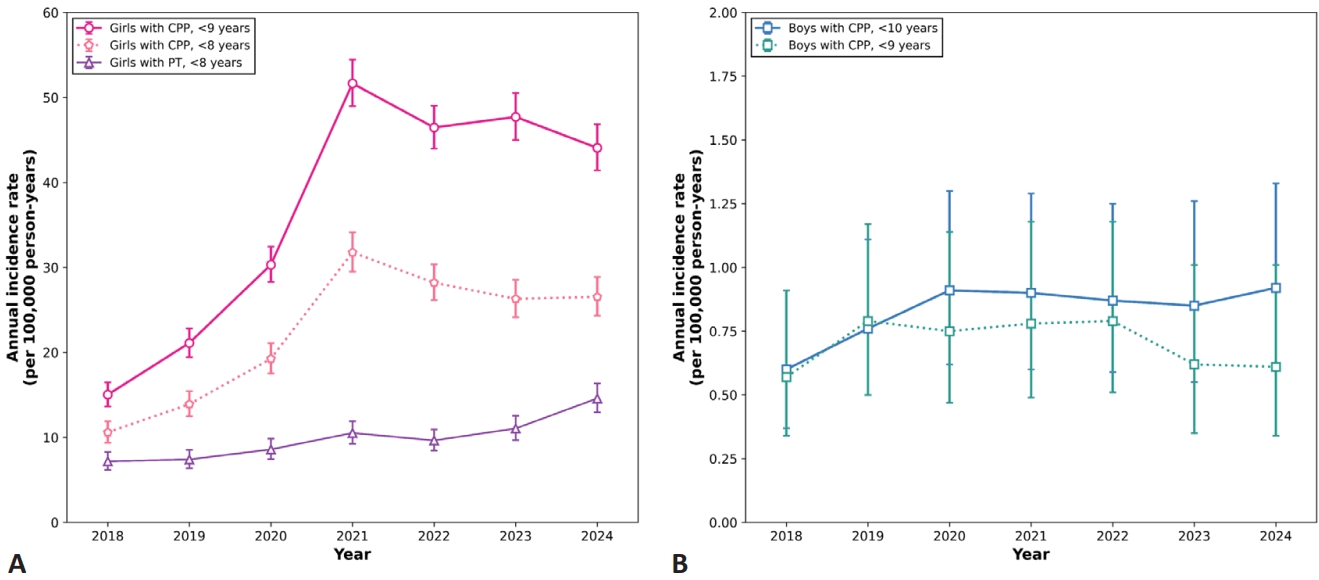
Fig. 2.
Annual incidence rates of girls with CPP and PT stratified by age group. Data are shown as annual incidence rates by age group and expressed per 100,000 person-years. (A) Girls with CPP across 6 age groups: 0–<2, 2–<4, 4–<6, 6–<7, 7–<8, and 8–<9, years. (B) Girls with PT across 5 age groups: 0–<2, 2–<4, 4–<6, 6–<7, and 7–<8 years. Symbols and line colors for each age group are indicated in the legend above the graph. CPP, central precocious puberty; PT, premature thelarche.
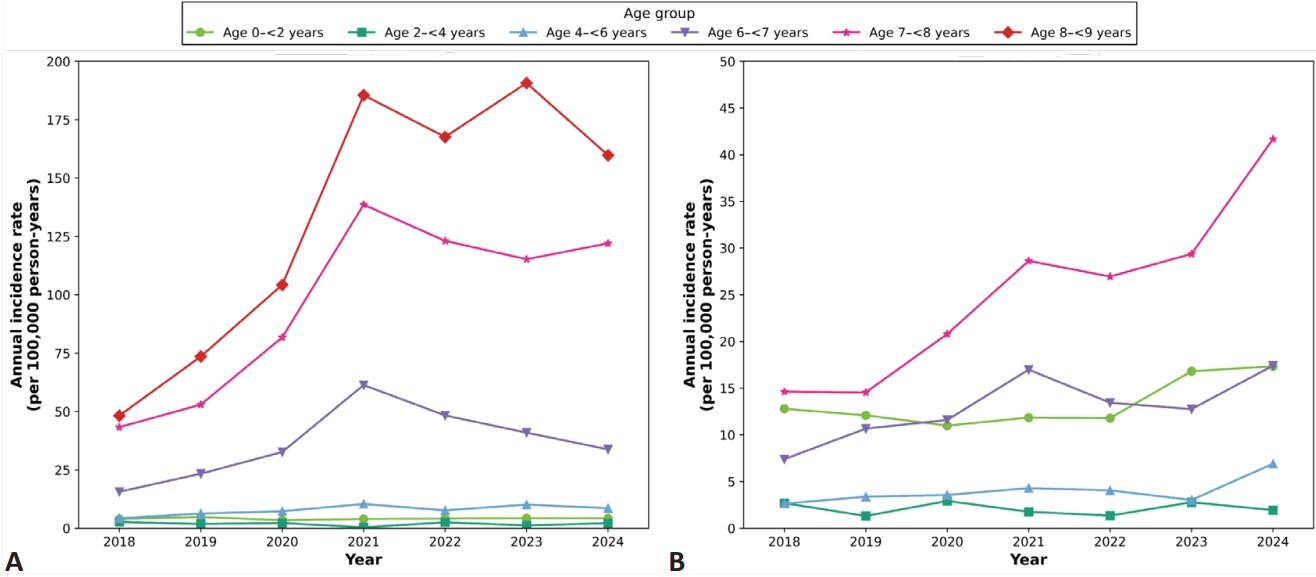
Fig. 3.
Age distribution of CPP and PT by sex and calendar year. Data are presented as the percentage of incident cases by age group for each calendar year. Age groups are categorized as 0–<2, 2–<4, 4–<6, 6–<7, 7–<8, 8–<9, and 9–<10 years (boys only). (A) Girls with CPP. (B) Boys with CPP. (C) Girls with PT. Colors corresponding to each age group are shown in the legend above the graph. CPP, central precocious puberty; PT, premature thelarche.
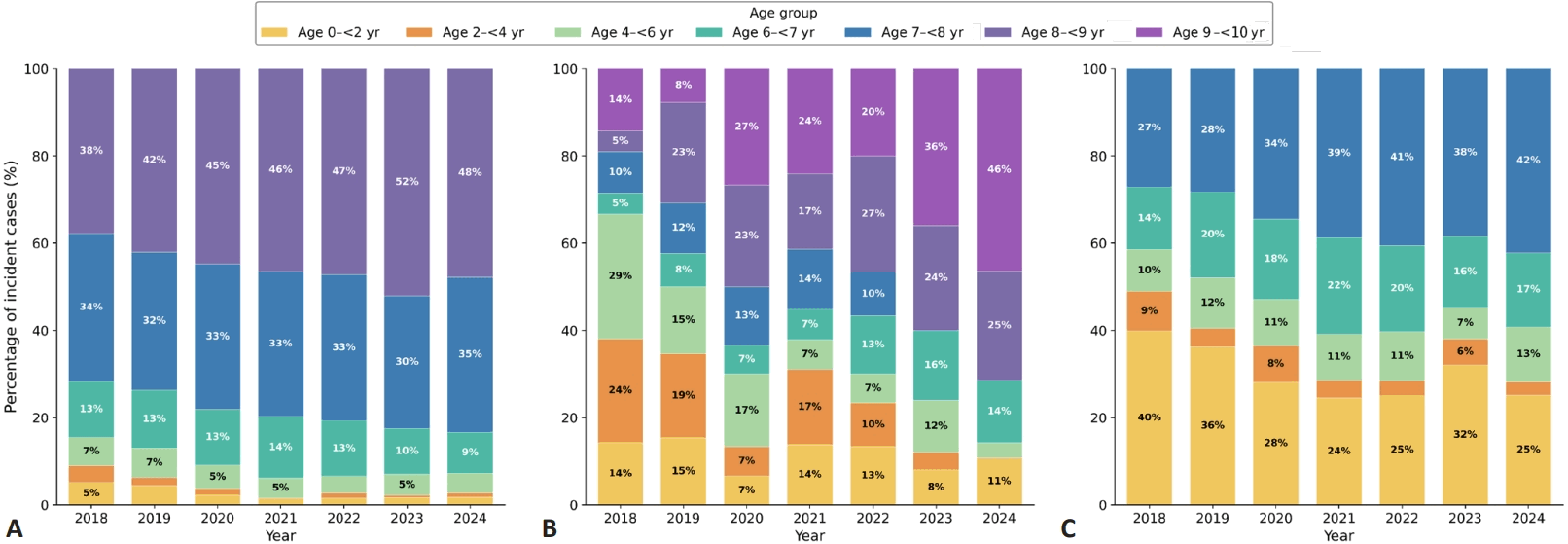
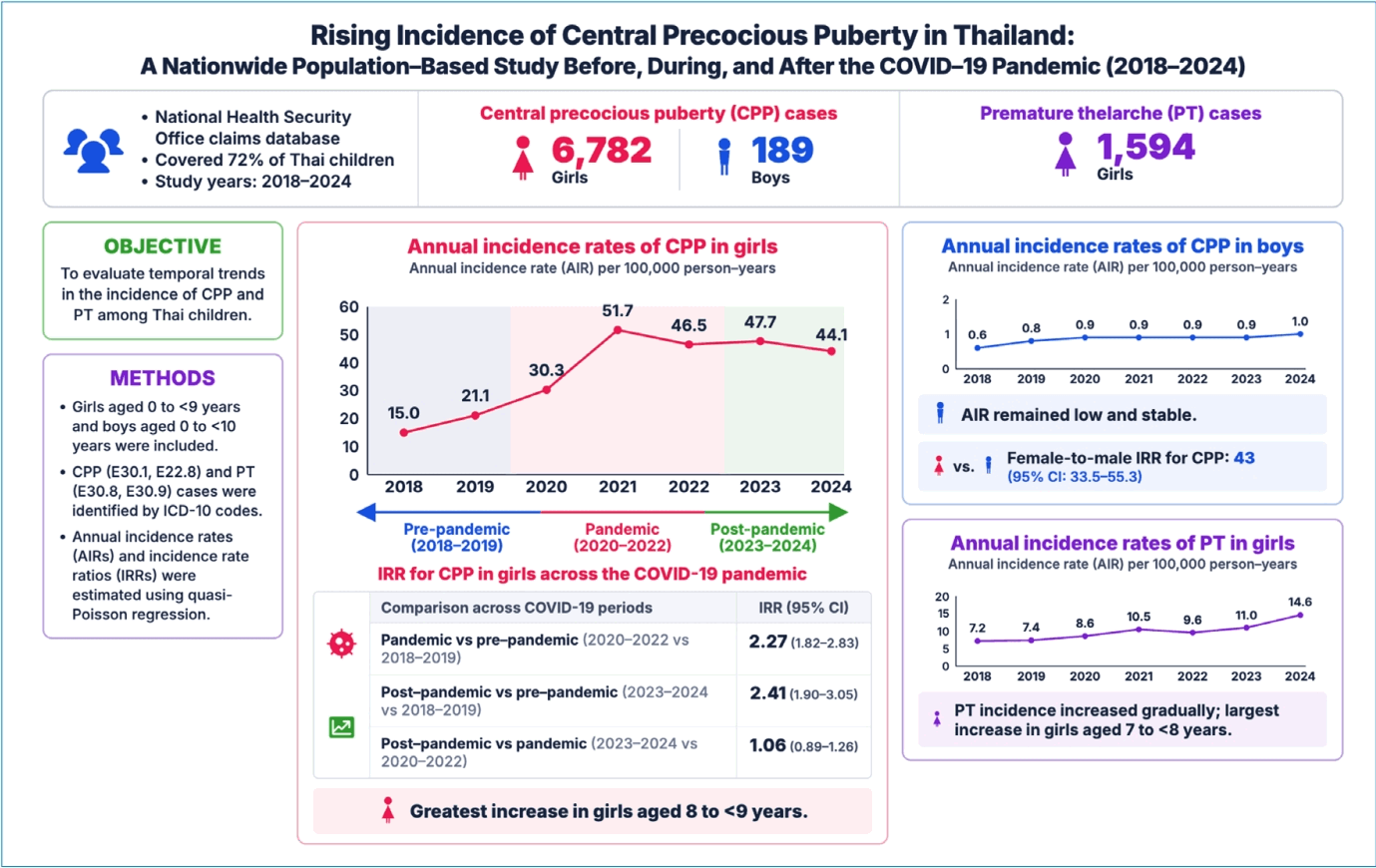
Table 1.
Age-stratified incidence rate ratios of central precocious puberty and premature thelarche across prepandemic, pandemic, and postpandemic periods, Thailand, 2018–2024
| Age group (yr) |
Pandemic vs. prepandemic |
Postpandemic vs. prepandemic |
Postpandemic vs. pandemic |
|||
|---|---|---|---|---|---|---|
| IRR (95% CI) | P value | IRR (95% CI) | P value | IRR (95% CI) | P value | |
| Girls with CPP | ||||||
| 0–<2 | 0.88 (0.60–1.28) | 0.50 | 0.97 (0.64–1.49) | 0.90 | 1.11 (0.74–1.67) | 0.62 |
| 2–<4 | 0.76 (0.32–1.84) | 0.55 | 0.73 (0.26–2.10) | 0.56 | 0.96 (0.34–2.71) | 0.94 |
| 4–<6 | 1.60 (1.09–2.36) | 0.02 | 1.79 (1.18–2.71) | 0.006 | 1.11 (0.79–1.57) | 0.53 |
| 6–<7 | 2.44 (1.39–4.30) | 0.002 | 1.93 (1.02–3.65) | 0.04 | 0.79 (0.49–1.28) | 0.34 |
| 7–<8 | 2.37 (1.52–3.71) | <0.001 | 2.46 (1.52–3.97) | <0.001 | 1.04 (0.73–1.46) | 0.84 |
| 8–<9 | 2.50 (1.42–4.40) | 0.002 | 2.88 (1.59–5.22) | <0.001 | 1.15 (0.77–1.73) | 0.49 |
| Boys with CPP | ||||||
| 0–<2 | 1.06 (0.41–2.80) | 0.90 | 0.94 (0.30–2.96) | 0.92 | 0.88 (0.30–2.58) | 0.82 |
| 2–<4 | 0.71 (0.30–1.71) | 0.44 | 0.13 (0.02–1.00) | 0.05 | 0.18 (0.02–1.40) | 0.10 |
| 4–<6 | 0.64 (0.26–1.56) | 0.32 | 0.49 (0.15–1.55) | 0.22 | 0.76 (0.24–2.48) | 0.66 |
| 6–<7 | 1.92 (0.51–7.22) | 0.34 | 3.24 (0.86–12.22) | 0.08 | 1.69 (0.64–4.51) | 0.29 |
| 7–<8 | 1.52 (0.53–4.38) | 0.44 | - a) | - | - a) | - |
| 8–<9 | 1.84 (0.76–4.44) | 0.17 | 2.08 (0.81–5.33) | 0.13 | 1.13 (0.55–2.31) | 0.73 |
| 9–<10 | 2.69 (1.01–7.13) | 0.05 | 4.76 (1.80–12.58) | 0.002 | 1.77 (0.97–3.22) | 0.06 |
| Girls with PT | ||||||
| 0–<2 | 0.93 (0.74–1.16) | 0.50 | 1.37 (1.09–1.73) | 0.007 | 1.48 (1.19–1.84) | <0.001 |
| 2–<4 | 1.00 (0.49–2.02) | 0.99 | 1.18 (0.54–2.56) | 0.68 | 1.18 (0.57–2.43) | 0.65 |
| 4–<6 | 1.32 (0.73–2.39) | 0.35 | 1.64 (0.87–3.07) | 0.12 | 1.24 (0.72–2.12) | 0.43 |
| 6–<7 | 1.55 (1.03–2.34) | 0.04 | 1.67 (1.07–2.62) | 0.02 | 1.08 (0.74–1.56) | 0.69 |
| 7–<8 | 1.75 (1.20–2.54) | 0.004 | 2.43 (1.65–3.58) | <0.001 | 1.39 (1.03–1.88) | 0.03 |
- References
- 1. Bereket A. A critical appraisal of the effect of gonadotropin-releasing hormone analog treatment on adult height of girls with central precocious puberty. J Clin Res Pediatr Endocrinol 2017;9:33–48.
[PubMed] [PMC]2. Wiromrat P, Panamonta O. Elevated random luteinizing hormone is an unreliable indicator for pubertal suppression in girls treated with monthly Leuprolide for idiopathic central precocious puberty. J Clin Res Pediatr Endocrinol 2019;11:227–33.
[Article] [PubMed] [PMC]3. Nutley SB. Children's increased screen time during the pandemic is now the new normal. Acta Paediatr 2025;114:2421–3.
[Article] [PubMed]4. Soliman AT, Alaaraj N, De Sanctis V, Hamed N, Alyafei F, Ahmed S. Long-term health consequences of central precocious/early puberty (CPP) and treatment with Gn-RH analogue: a short update. Acta Biomed 2023;94:e2023222.
[PubMed] [PMC]5. Klein K, Soliman AM, Bonafede M, Nelson JK, Grubb E. Health care utilization and economic burden in patients with central precocious puberty: an assessment of the commercially insured and Medicaid populations. J Manag Care Spec Pharm 2019;25:836–46.
[Article] [PubMed] [PMC]6. Zhang X, Xu Y, Yan L, Wang X, Xiong J, Wang F, et al. Global prevalence and incidence of precocious puberty: a systematic review and meta-analysis. BMC Public Health 2025;26:99
[Article] [PubMed] [PMC]7. Kang S, Park MJ, Kim JM, Yuk JS, Kim SH. Ongoing increasing trends in central precocious puberty incidence among Korean boys and girls from 2008 to 2020. PLoS One 2023;18:e0283510.
[Article] [PubMed] [PMC]8. Bräuner EV, Busch AS, Eckert-Lind C, Koch T, Hickey M, Juul A. Trends in the incidence of central precocious puberty and normal variant puberty among children in Denmark, 1998 to 2017. JAMA Netw Open 2020;3:e2015665.
[Article] [PubMed] [PMC]9. Su PH, Huang JY, Li CS, Chang HP. The age distribution among children seeking medical treatment for precocious puberty in Taiwan. Int J Environ Res Public Health 2020;17:6765
[Article] [PubMed] [PMC]10. Le Moal J, Rigou A, Le Tertre A, De Crouy-Channel P, Léger J, Carel JC. Marked geographic patterns in the incidence of idiopathic central precocious puberty: a nationwide study in France. Eur J Endocrinol 2018;178:33–41.
[Article] [PubMed]11. Soriano-Guillén L, Corripio R, Labarta JI, Cañete R, Castro-Feijóo L, Espino R, et al. Central precocious puberty in children living in Spain: incidence, prevalence, and influence of adoption and immigration. J Clin Endocrinol Metab 2010;95:4305–13.
[Article] [PubMed]12. Massart F, Seppia P, Pardi D, Lucchesi S, Meossi C, Gagliardi L, et al. High incidence of central precocious puberty in a bounded geographic area of northwest Tuscany: an estrogen disrupter epidemic? Gynecol Endocrinol 2005;20:92–8.
[Article] [PubMed]13. Larriuz-Serrano MC, Pérez-Cardona CM, Ramos-Valencia G, Bourdony CJ. Natural history and incidence of premature thelarche in Puerto Rican girls aged 6 months to 8 years diagnosed between 1990 and 1995. P R Health Sci J 2001;20:13–8.
[PubMed]14. Özer E, Çakır Gündoğan S, Bitkay A, Öztürk N, Ata N, Birinci Ş, et al. Central precocious puberty in Türkiye, 2018-2024: national incidence, prevalence, and changes across the COVID-19 period. Front Endocrinol (Lausanne) 2026;17:1773426
[PubMed]15. Komatsu Y, Kikuchi N, Nishiyama K, Ohsugi K, Shiga K. Trends in central precocious puberty incidence in Japan during the COVID-19 pandemic. Front Pediatr 2026;14:1769902
[Article] [PubMed] [PMC]16. Eckert-Lind C, Busch AS, Petersen JH, Biro FM, Butler G, Bräuner EV, et al. Worldwide secular trends in age at pubertal onset assessed by breast development among girls: a systematic review and meta-analysis. JAMA Pediatr 2020;174:e195881.
[Article] [PubMed] [PMC]17. Zhang J, Xu J, Tang X, Wu R. Comparison of central precocious puberty frequency before and during COVID-19: a systematic review and meta-analysis. BMC Endocr Disord 2024;24:219
[Article] [PubMed] [PMC]18. Vargas Trujillo M, Rungvivatjarus T, Klein KO. Incidence of central precocious puberty declines to pre-pandemic levels post COVID-19 pandemic increase: single-center retrospective review in the United States. Front Pediatr 2024;12:1352295
[PubMed] [PMC]19. Sumriddetchkajorn K, Shimazaki K, Ono T, Kusaba T, Sato K, Kobayashi N. Universal health coverage and primary care, Thailand. Bull World Health Organ 2019;97:415–22.
[Article] [PubMed] [PMC]20. von Elm E, Altman DG, Egger M, Pocock SJ, Gøtzsche PC, Vandenbroucke JP, et al. Strengthening the reporting of observational studies in epidemiology (STROBE) statement: guidelines for reporting observational studies. BMJ 2007;335:806–8.
[Article] [PubMed] [PMC]21. Teilmann G, Pedersen CB, Jensen TK, Skakkebaek NE, Juul A. Prevalence and incidence of precocious pubertal development in Denmark: an epidemiologic study based on national registries. Pediatrics 2005;116:1323–8.
[Article] [PubMed]22. Kim SH, Huh K, Won S, Lee KW, Park MJ. A significant increase in the incidence of central precocious puberty among Korean girls from 2004 to 2010. PLoS One 2015;10:e0141844.
[Article] [PubMed] [PMC]23. Wang Y, Lu D, Chung YJ, Xu S. Genetic structure, divergence and admixture of Han Chinese, Japanese and Korean populations. Hereditas 2018;155:19
[Article] [PubMed] [PMC]24. Kutanan W, Liu D, Kampuansai J, Srikummool M, Srithawong S, Shoocongdej R, et al. Reconstructing the human genetic history of Mainland Southeast Asia: insights from genome-wide data from Thailand and Laos. Mol Biol Evol 2021;38:3459–77.
[Article] [PubMed] [PMC]25. Hong YH, Park S, Shin M, Chung S, Jung J, Sul AR, et al. Changes in weight distribution and trends in obesity among children and adolescents in East Asia: insights from NCDRisC data. PLoS One 2024;19:e0310646.
[Article] [PubMed] [PMC]26. Huang CF, Wang IJ. Changes in urinary phthalate metabolite levels before and after the phthalate contamination event and identification of exposure sources in a cohort of Taiwanese children. Int J Environ Res Public Health 2017;14:935
[Article] [PubMed] [PMC]27. Laugesen K, Ludvigsson JF, Schmidt M, Gissler M, Valdimarsdottir UA, Lunde A, et al. Nordic health registry-based research: a review of health care systems and key registries. Clin Epidemiol 2021;13:533–54.
[Article] [PubMed] [PMC]28. Cheol Seong S, Kim YY, Khang YH, Heon Park J, Kang HJ, Lee H, et al. Data resource profile: the National Health Information Database of the National Health Insurance Service in South Korea. Int J Epidemiol 2017;46:799–800.
[PubMed] [PMC]29. Chioma L, Bizzarri C, Verzani M, Fava D, Salerno M, Capalbo D, et al. Sedentary lifestyle and precocious puberty in girls during the COVID-19 pandemic: an Italian experience. Endocr Connect 2022;11:e210650.
[Article] [PubMed] [PMC]30. Bryant J, Rittirong J, Aekplakorn W, Mo-Suwan L, Nitnara P. A Bayesian approach to combining multiple information sources: estimating and forecasting childhood obesity in Thailand. PLoS One 2022;17:e0262047
[Article] [PubMed] [PMC]31. Österbrand M, Fors H, Norjavaara E. Prevalence of premature thelarche at 18 months of age: a population- and hospital-based study of prevalence and incidence in girls born at Northern Älvsborg County Hospital in Sweden. Horm Res Paediatr 2019;91:203–9.
[Article] [PubMed]32. Varimo T, Huttunen H, Miettinen PJ, Kariola L, Hietamäki J, Tarkkanen A, et al. Precocious puberty or premature thelarche: analysis of a large patient series in a single tertiary center with special emphasis on 6- to 8-year-old girls. Front Endocrinol (Lausanne) 2017;8:213
[Article] [PubMed] [PMC]33. Kiatsopit N, Panamonta O, Suesirisawat C, Panamonta M. The age of onset of pubertal development in healthy Thai boys in Khon Kaen, Thailand. Asian Biomed 2017;9:225–9.
[Article]