
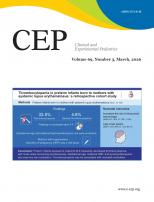



Graphical abstract. UTI, urinary tract infection.
Introduction
Urinary tract infection (UTI) is one of the most common and clinically important bacterial infections in young children, affecting roughly 3% of healthy pediatric patients [1,2]. Since prompt and appropriate therapy is essential to prevent subsequent renal scarring [3], empirical antibiotics are routinely started when a UTI is suspected before culture and antibiotic susceptibility test results become available. Both the 2021 American Academy of Pediatrics guideline and the 2022 National Institute for Health and Care Excellence guideline stress that initial regimens should be chosen based on local uropathogen resistance patterns [4,5], and they state that the use of third-generation cephalosporins is reasonable in most clinical settings. This recommendation is based on a prior United States study demonstrating that over 90% of uropathogens causing pediatric UTIs exhibit susceptibility to third-generation cephalosporins [6]. In practice, approximately 80% of Korean children with suspected UTI receive a third-generation cephalosporin as the initial agent [7].
Recent Korean surveillance, however, has highlighted a concerning increase in antimicrobial resistance [8]. Whereas fewer than 10% of pediatric UTI in the United States or Europe are resistant to third-generation cephalosporins [9], Korean data show cefotaxime resistance approaching 30% [8]. Even so, the usual Korean inpatient approach employs an intravenous third-generation cephalosporin, such as cefotaxime, until the fever resolves, followed by an oral third-generation cephalosporin for a total of 7 to 10 days. When the final culture later proves resistant, clinicians commonly complete the planned antibiotic course in clinically improving patients, assuming that high urinary antibiotic concentrations may compensate for the in vitro resistance [10].
Evidence supporting the safety of this discordant strategy is limited. A recent Korean cohort study reported a 2-week recurrence rate of 2.8% among children with cephalosporin-resistant isolates who completed the standard cephalosporin regimen, compared with 1.1% among those with susceptible isolates, with no statistically significant difference [7]. However, the absolute recurrence rate was higher in children with cephalosporin-resistant isolates who received discordant therapy, and the study was constrained by a small number of relapse events (a total of 12 events) and a narrow 2-week follow-up window, which likely captured only very early recurrences.
Therefore, we compared recurrence rates between children who completed a third-generation cephalosporin regimen despite later identification of in vitro resistance (discordant therapy) and those who received appropriately tailored therapy, including children with UTI caused by third-generation cephalosporin susceptible strains and children whose isolates were resistant to third-generation cephalosporins but treated with alternative agents demonstrating in vitro susceptibility. We hypothesized that, although initial clinical responses may be comparable, discordant therapy would carry a higher risk of subsequent recurrence.
Methods
We performed a cohort study of children younger than 24 months old who were hospitalized for their first UTI at a tertiary-care hospital in Korea between January 2020 and December 2024. Through a retrospective chart review, we identified patients who presented with fever or other compatible symptoms suggestive of UTI, demonstrated pyuria on urinalysis, and had growth of more than 50,000 colony-forming units per milliliter of a single Gram-negative organism in urine culture; we attempted catheterized urine sampling in non–toilet-trained patients; however, due to compliance issues, bag urine specimens were also included. We excluded neonates (<28 days old) and episodes complicated by bacteremia or renal abscess, which represent a distinct and more severe clinical spectrum.
Susceptibility to cefotaxime was determined by disc diffusion in accordance with Clinical and Laboratory Standards Institute criteria, using the breakpoint of 4 μg/mL [11]. We reviewed electronic medical records to calculate the cumulative duration of (i) parenteral and oral third-generation cephalosporin therapy and (ii) any antibiotics to which the isolate demonstrated in vitro susceptibility. For example, if a child who received piperacillin/tazobactam for 3 days during hospitalization and was discharged with a 7-day prescription of cefixime, and the isolate was later found to be resistant to third-generation cephalosporins but susceptible to piperacillin/ tazobactam, the cumulative duration would be 10 days—7 days for (i) and 3 days for (ii). Recurrence of UTI was identified from hospital records or documented treatment records in the medical chart; when the recurrence was managed in-house, we additionally assessed fever status and whether the organism and antibiotic susceptibility pattern matched the index episode. Dimercaptosuccinic acid scan (DMSA)-defined acute renal parenchymal defects and the presence of fever at presentation were recorded as covariates. Congenital anomalies of the kidney and urinary tract (CAKUT), documented by ultrasound and voiding cystourethrogram, were also assessed and categorized as vesicoureteral reflux (VUR) or other anomalies [12-14].
The primary exposure was the adequacy of antibiotic therapy according to third-generation cephalosporin susceptibility status, categorized into 3 groups: (1) infection with a cephalosporin susceptible organism treated with a third-generation cephalosporin for an appropriate duration; (2) infection with a cephalosporin-resistant organism treated with an appropriate alternative antibiotic for 5 days or more (concordant therapy); and (3) infection with a cephalosporin-resistant organism, treated with an appropriate antibiotic for fewer than 5 days or not treated with an appropriate antibiotics at all (discordant therapy). In our cohort, an inpatient strategy commonly used for patients with severe symptoms involved 5–7 days of broadspectrum parenteral antibiotic therapy (e.g., amikacin or piperacillin/tazobactam); given recent interventional studies suggesting that 5–7 days of such therapy may suffice regardless of fever status [15,16], we selected 5 days as our cutoff. No cases of discordant therapy occurred among cephalosporin susceptible organisms.
The primary outcome was UTI recurrence, defined as the time from completion of the index antibiotic course to the first documented recurrence of UTI, either febrile or afebrile. Follow-up was censored at the earliest of UTI recurrence, the last pediatric clinic visit without recurrence, or 2 months after completion of therapy, with the 2-month cutoff chosen based on the assumption that any residual effect of suboptimal therapy would be negligible beyond that point [17].
Categorical variables are presented as numbers and percentages, while continuous variables are reported as mean± standard deviation and median (interquartile range), as appropriate. Categorical variables between groups were compared using Pearson chi-square test and Fisher exact test while continuous variables were compared using the t test or Wilcoxon rank-sum test. Recurrence-free survival curves were generated with the Kaplan-Meier method and compared with the log-rank test. We then fitted a Cox proportional hazards model adjusted for age, fever at presentation, acute DMSA defects, VUR and other CAKUTs. Two sensitivity analyses were prespecified: (1) restricting recurrence to events managed at our centers with culture confirmation of the same organism and antibiogram results; and (2) survival analysis for febrile UTI only. All tests were 2-tailed, and P value <0.05 were considered statistically significant. Statistical analyses were conducted using R ver. 4.4.0 (R Foundation for Statistical Computing, Austria).
The study protocol was approved by the Institutional Review Board of Ajou University School of Medicine (approval No. AJOUIRB-DB-2025-022); the requirement for informed consent was waived because only anonymized records were analyzed.
Results
Of the 1,174 UTI episodes identified, 989 met the inclusion criteria and were analyzed (Fig. 1). Among these, 565 isolates (57.3%) were cefotaxime sensitive and 424 (42.9%) were not susceptible. Of the 424 resistant cases, 76 patients received at least 5 days of an appropriate antibiotic regimen (concordant group), while 348 received fewer than 5 days (discordant group). In the discordant group, 329 patients (94.5%) were managed with a third-generation cephalosporin alone. The concordant group more often had acute parenchymal defects on DMSA scan or VUR, perhaps reflecting a more severe presentation that prompted broader empirical antibiotic coverage (Table 1). The male predominance was noteworthy despite the cohort being limited to children younger than 24 months. Overall, Escherichia coli was the most common pathogen, accounting for 908 of all cases (91.8%); Klebsiella species were identified in 46 cases (4.6%) and Enterobacter species in 14 cases (1.4%). Among the 34 patients with CAKUT other than VUR, 9 had a duplex collecting system, 7 had a megaureter with or without hydronephrosis, and 9 had isolated urinary tract dilatation.
Following completion of therapy, the cumulative two-month recurrence rate was 15.4% (95% confidence interval [CI], 13.0–17.7). Recurrence rates by treatment group are shown in Fig. 2. The Kaplan-Meier curves differed significantly among the 3 exposure groups by the log-rank test, with the highest recurrence risk observed in resistant infections receiving discordant therapy (Fig. 2, P=0.033). Of note, the recurrence rates between the concordant and discordant groups had diverged markedly by 1 month, but thereafter the separation gradually narrowed, possibly reflecting the 5‑day cutoff’s insufficiency to maintain distinct risk profiles or the small size of the concordant group. In Cox proportional hazards models adjusted for age, fever at presentation, acute DMSA defects, CAKUT, and VUR, resistant infections treated with 5 or more days of an appropriate antibiotic had a hazard ratio (HR) comparable to that of susceptible infections (adjusted HR [aHR], 1.09; 95% CI, 0.67–1.78; P=0.731), whereas those receiving less then five days had a significantly increased hazard of recurrence (aHR, 1.42; 95% CI, 1.08–1.86; P=0.011) (Table 2).
In a prespecified sensitivity analysis restricted to recurrences managed at the study hospital with culture confirmation of the same organism and antibiotic susceptibility pattern results (Table 3, Fig. 3), results were consistent (concordant group: aHR, 1.30; 95% CI, 0.69–2.47; P=0.421; discordant group: aHR, 1.82; 95% CI, 1.29–2.56; P=0.001). However, when the analysis was limited to febrile recurrences only, no significant differences were observed among the groups (Table 4, Fig. 4), suggesting that the protective effect of concordant therapy may be less pronounced in more severe, febrile presentations or may reflect limited power in this subgroup.
Discussion
In this retrospective cohort study, we found that children who completed therapy with a third-generation cephalosporin despite subsequent confirmation of in vitro resistance experienced a higher risk of recurrence than those who received microbiologically concordant treatment. In contrast to a prior study from another Korean tertiary hospital, which found no significant increase in UTI recurrence within a 2-week follow-up after completion of empirical third-generation cephalosporin therapy [7], our extended surveillance period of up to 2 months posttreatment revealed a statistically and clinically significant higher recurrence rate in the discordant- therapy group.
Although alternative initial therapies such as ampicillin/ sulbactam and piperacillin/tazobactam have been proposed and their use documented [18,19], the predominant empirical regimen for pediatric UTI in Korea comprises third-generation cephalosporins, such as intravenous cefotaxime and oral cefixime [7]. Considering resistance rates of approximately 10% during the 2010s [8], this treatment strategy was considered reasonable. However, in our retrospective study of 10,029 Korean children under 24 months with UTI between 2010 and 2023, cefotaxime resistance increased from around 10% in the early 2010s to over 30% after 2020s—a trend consistent across age groups, causative organisms, and CAKUT status [8]. Also, in United States outpatient pediatric UTIs, analysis of 25,418 urinary isolates demonstrated a clear upward trend in multidrug resistance over a six‑year surveillance period [20]. In particular, since the Infectious Diseases Society of America guideline for adult women with acute pyelonephritis advises changing empirical therapy when local resistance exceeds 10% [5,21], we should reevaluate the routine use of third-generation cephalosporins for UTI in Korean infants and young children. However, the practice of using broad-spectrum antibiotics such as piperacillin/tazobactam and continuing inpatient care for all patients until susceptibility results are available, intended to mitigate the threat of resistant organisms and prevent recurrence, amounts to overtreatment and may further drive the emergence of antimicrobial resistance. Although recent Korean data report resistance rates exceeding 30% for all orally available antibiotics and our study found a 40% nonsusceptibility rate to third-generation cephalosporins, it is encouraging that over 95% of isolates remain susceptible to at least one agent [8,22].
Therefore, we suggest treating patients with mild symptoms by prescribing oral third-generation cephalosporin and managing them as outpatients. For those whose symptoms are not severe but who remain at higher risk due to age or other factors, inpatient initiation of intravenous third-generation cephalosporin is advisable; once clinical improvement such as defervescence occurs, therapy can be switched to an oral third-generation cephalosporin and continued on an outpatient basis. To guide antibiotic selection, an early follow-up visit should be scheduled for 4 to 5 days after treatment begins, when susceptibility test results are expected, rather than waiting until the usual treatment completion around 10–14 days. If the isolate is susceptible to a third-generation cephalosporin, completing a total of 7 to 10 days of therapy with that agent is appropriate. If resistance to third-generation cephalosporins is identified but an alternative oral antibiotic, such as trimethoprim/sulfamethoxazole or amoxicillin/clavulanate, is shown to be active, switching to susceptible antibiotics should be considered. In the rare event that the isolate is resistant to all available oral options, caregivers should be counselled regarding the risk of recurrence. Management should be individualized, with options including hospitalization for intravenous therapy or close observation for recurrence. Furthermore, as is well established, children with VUR showed a consistently higher risk of recurrence [23] and may warrant a more aggressive initial antibiotic strategy.
This study has several limitations. First, our concordant group included both children who began therapy with a third-generation cephalosporin and were subsequently switched according to antibiotic susceptibility test, and those who initially received broad-spectrum agents such as piperacillin/tazobactam because of suspected severe infection. In our cohort, the latter subgroup appeared to predominate, but we were unable to clearly distinguish antibiotic use patterns, which may partly explain the higher proportions of DMSA defects, VUR, and CAKUT observed in the concordant group. In addition, to minimize hospitalization, patients were often discharged on third-generation cephalosporin without antibiogram guidance once clinical improvement was achieved. However, our institution has recently transitioned from routine cephalosporin discharge to antibiogram-guided oral therapy, and as more data accumulate, it will become possible to directly compare outcomes between empiric continuation and tailored regimens. Second, our definition of “5 days” of antibiotic exposure used to distinguish concordant from discordant therapy does not rely on high‑level evidence. Although trials such as SCOUT trial support shorter intravenous courses [15], evidence remains insufficient to define an optimal treatment duration for pediatric UTIs. In fact, this cutoff was chosen at least in part pragmatically based on our institution’s practice, where concordant group generally had received piperacillin/tazobactam or another broad‑spectrum antibiotic for at least 5 days before switching to a third‑generation cephalosporin at discharge. Also, there is the potential for bias inherent to its single center retrospective design; for example, relying on chart review to identify recurrence may introduce ascertainment bias. Additionally, some recurrence events may have occurred outside our institution, potentially limiting comprehensive event capture. However, given our center's wide regional coverage and consistent follow-up within our network, loss to follow-up was minimal beyond the 2-month censoring period. Also, that the inclusion of bag-collected specimens may have lower diagnostic accuracy. Finally, although the ultimate goal of therapy is to prevent permanent damage such as renal scarring, we were unable to demonstrate that patients receiving discordant therapy who experienced recurrence had a higher incidence of renal scarring. Nevertheless, since multiple UTI episodes are a well-established risk factor for renal scarring [24], recurrence may reasonably serve as an intermediate marker in this setting.
In conclusion, completing treatment with third-generation cephalosporins in UTI patients infected with resistant organisms does not compromise acute clinical improvement, but is associated with a higher risk of later recurrence. In Korea, where resistance rates are rising, early review of the antibiotic susceptibility test results and follow-up monitoring to ensure that therapy remains appropriate are warranted.


 PDF Links
 PubReader
 ePub Link
 XML Download
 PubMed
 Download Citation