
Search

  • HOME
  • Search
Review Article
General Pediatrics
Impact of screen exposure during pediatric ages including multifaceted aggravating factors: a literature review
Daniel González-Pérez, David Sebastián Huertas-Moreno, Manuela Granados-Pinilla, Sofía Hernandez-Rojas, Laura González-Rincon, Geraldine Hurtado-Garcia, Simón Grisales-Calle, María José González-Mariño, Luz Dary Gutierrez-Castañeda, Jhon Camacho-Cruz
Clin Exp Pediatr. 2025;68(10):751-760.   Published online September 24, 2025
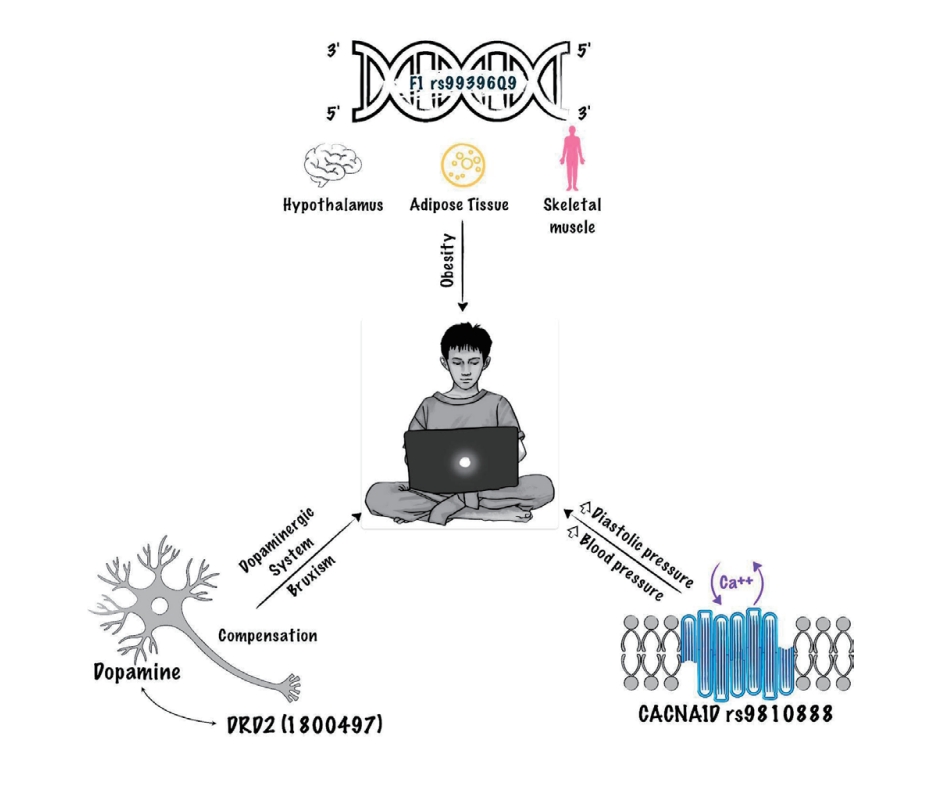
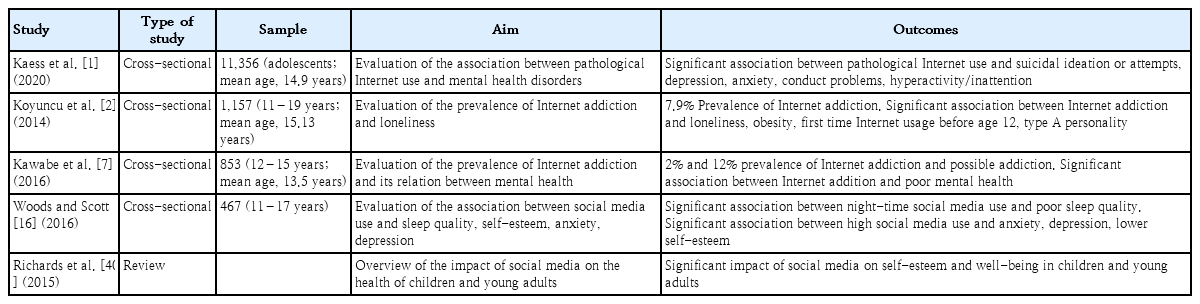
Excessive screen time in children is linked to obesity, overweight, sedentary behavior, depression and mood disorders, myopia, behavioral changes, sleep disturbances, attention deficit hyperactivity disorder, among others. Polymorphisms in genes like FTO, CACNA1D, and DRD2 could further increase these risks. Implementing strategies such as limiting screen use, creating screen-free zones, and monitoring content is essential to mitigate adverse physical and mental health effects in the pediatric population.
Developmental and Behavioral Medicine
Screen time among preschoolers: exploring individual, familial, and environmental factors
Sangha Lee, Donghee Kim, Yunmi Shin
Clin Exp Pediatr. 2024;67(12):641-650.   Published online September 12, 2024
This systematic review examined the correlation between screen time and various factors in preschoolers. Findings suggest that media parenting, including setting appropriate media limits, is crucial in protecting against excessive screen exposure. However, limited research has been done on the impact of family and personal factors, particularly with the increasing use of portable devices among young children.
Gastroenterology
Role of social media use in onset of functional gastrointestinal disorders in children
Mauro Cinquetti, Vanessa Dargenio, Michele Fingerle, Carolina Marchiotto, Marco Biasin, Massimo Pettoello Mantovani, Flavia Indrio
Clin Exp Pediatr. 2023;66(6):226-232.   Published online December 21, 2022
· Social media use can cause adverse health outcomes, including gastrointestinal disorders, in children and adolescents.
· Recent findings have shown a high prevalence of social media use and decreased well-being in patients with functional gastrointestinal disorders.
· The biopsychosocial nature of functional gastrointestinal disorders and the clear influence of social media on the psychosocial lives of children suggests the likely involvement of social media in their development.


TOPICS

Browse all articles >

ARTICLE CATEGORY

Browse all articles >

BROWSE ARTICLES
FOR CONTRIBUTORS
ABOUT
Editorial Office
Korean Pediatric Society
#1606 Seocho World Officetel, 19 Seoun-ro, Seocho-ku, Seoul 06732, Korea
Tel: +82-2-3473-7306    Fax: +82-2-3473-7307    E-mail: office@e-cep.org                

Clinical and Experimental Pediatrics is an open access journal. All articles are distributed under the terms of the Creative Commons Attribution NonCommercial License (http://creativecommons.org/licenses/by-nc/4.0/)

Copyright © 2026 by Korean Pediatric Society.      Developed in M2PI