Search

  • HOME
  • Search
Original Article
Oncology
Treatment outcomes of high-dose chemotherapy plus stem cell rescue in high-risk neuroblastoma patients in Thailand
Kunanya Suwannaying, Piti Techavichit, Patcharee Komvilaisak, Napat Laoaroon, Nattee Narkbunnam, Kleebsabai Sanpakit, Kanhatai Chiengthong, Thirachit Chotsampancharoen, Lalita Sathitsamitphong, Chalongpon Santong, Panya Seksarn, Suradej Hongeng, Surapon Wiangnon
Clin Exp Pediatr. 2022;65(9):453-458.   Published online May 24, 2022
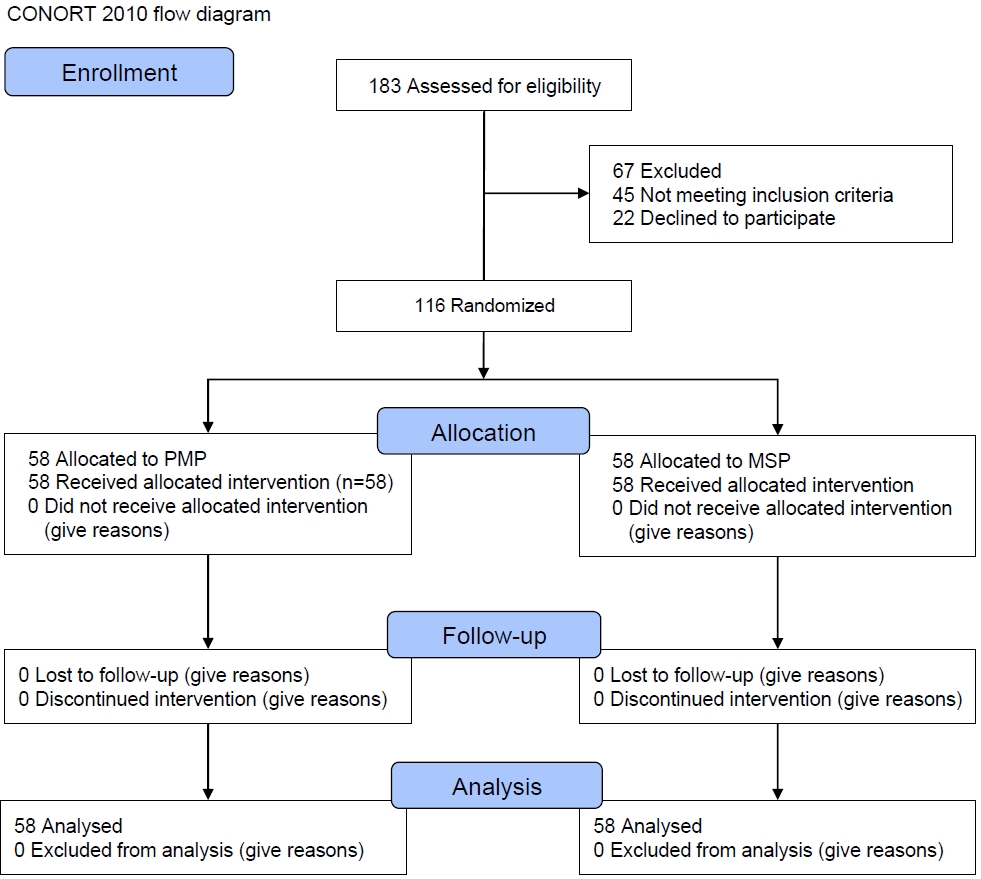
Question: This study aimed to elucidate the outcomes of high-risk neuroblastoma (HR-NB) patients treated with high-dose chemotherapy and stem cell rescue without immunotherapy.
Finding: The 5-year overall survival and event-free survival rates were 45.1% and 40.4%, respectively.
Meaning: High-dose chemotherapy plus stem cell rescue followed by cis-retinoic acid for 12 months is well tolerated and could improve survival in patients with HR-NB in limited resource settings.
Review Article
General Pediatrics
Motor performance of children with attention deficit hyperactivity disorder: focus on the Bruininks-Oseretsky Test of Motor Proficiency
Khushboo Prashant Adhvaryu, Suruliraj Karthikbabu, Pratiksha Tilak Rao
Clin Exp Pediatr. 2022;65(11):512-520.   Published online February 17, 2022
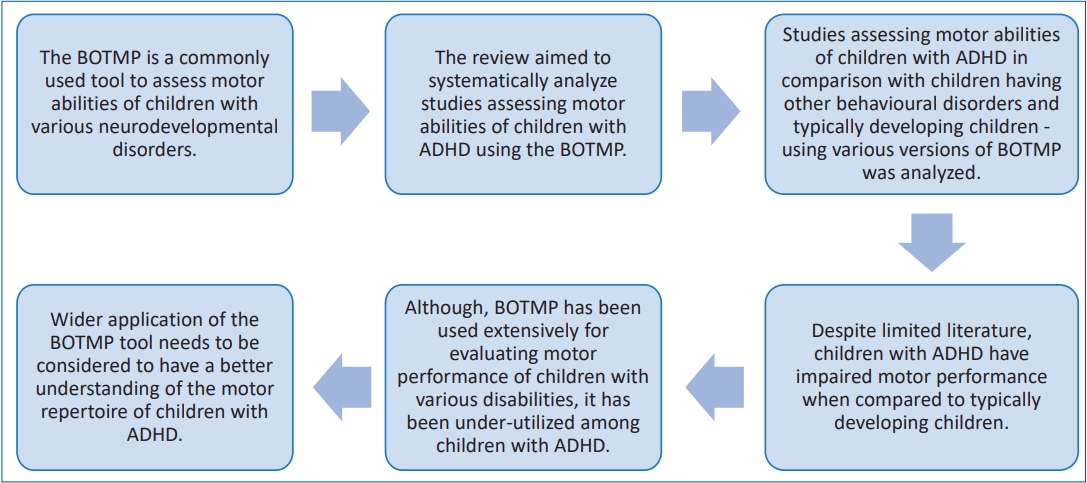
· Children with attention deficit hyperactivity disorder (ADHD) tend to have impaired motor performance that may affect their growth and development.
· Although widely used among children with developmental disorders, the Bruininks-Oseretsky Test of Motor Proficiency (BOTMP) is used sparsely among children with ADHD.
· Assessment by the BOTMP increases our understanding of the motor repertoire of children with ADHD.
· Wider usage of the BOTMP will enable more comprehensive planning of rehabilitation goals to enhance the motor abilities of children with ADHD.
Original Article
Endocrinology
Effects of probiotics combined with dietary and lifestyle modification on clinical, biochemical, and radiological parameters in obese children with nonalcoholic fatty liver disease/nonalcoholic steatohepatitis: a randomized clinical trial
Thushara Rodrigo, Samaranayake Dulani, Sumudu Nimali Seneviratne, Arjuna P. De Silva, Jerad Fernando, H. Janaka De Silva, Jayasekera , V. Pujitha Wickramasinghe
Clin Exp Pediatr. 2022;65(6):304-311.   Published online November 11, 2021
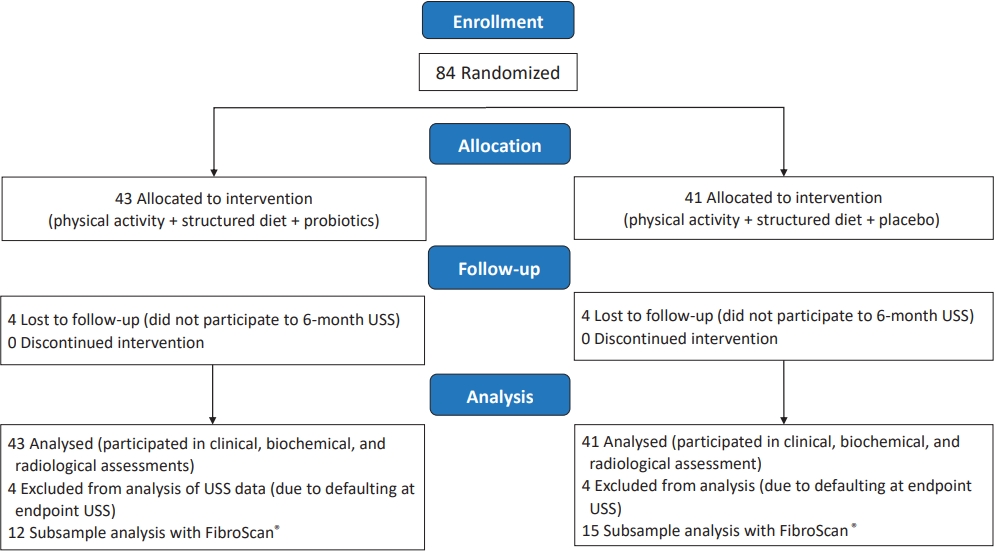
Question: Could probiotics be used as a therapeutic modality in nonalcoholic fatty liver disease/nonalcoholic steatohepatitis?
Finding: There seem no added advantages over lifestyle modifications compared to Probiotics.
Meaning: There does not seem to be an advantage of probiotics over lifestyle modifications in improving obesity-associated metabolic derangement in children.
Review Article
Oncology
Update on infantile hemangioma
Hye Lim Jung
Clin Exp Pediatr. 2021;64(11):559-572.   Published online May 26, 2021
· Infantile hemangiomas (IHs) are the most common benign vascular tumors, occurring in 5%–10% of infants.
· IHs are characteristically not present at birth but are usually diagnosed at 1–4 weeks of age, rapidly proliferate until 5 months of age, and then spontaneously involute.
· High-risk IHs (10%) require early treatment from 1 month of age.
· Oral propranolol, a nonselective beta-blocker, is the first-line treatment for IHs.
Original Article
General Pediatrics
Efficacy of probiotics for managing infantile colic due to their anti-inflammatory properties: a meta-analysis and systematic review
Reza Shirazinia, Ali Akbar Golabchifar, Mohammad Reza Fazeli
Clin Exp Pediatr. 2021;64(12):642-651.   Published online April 12, 2021
Question: Do probiotics reduce colic symptoms?
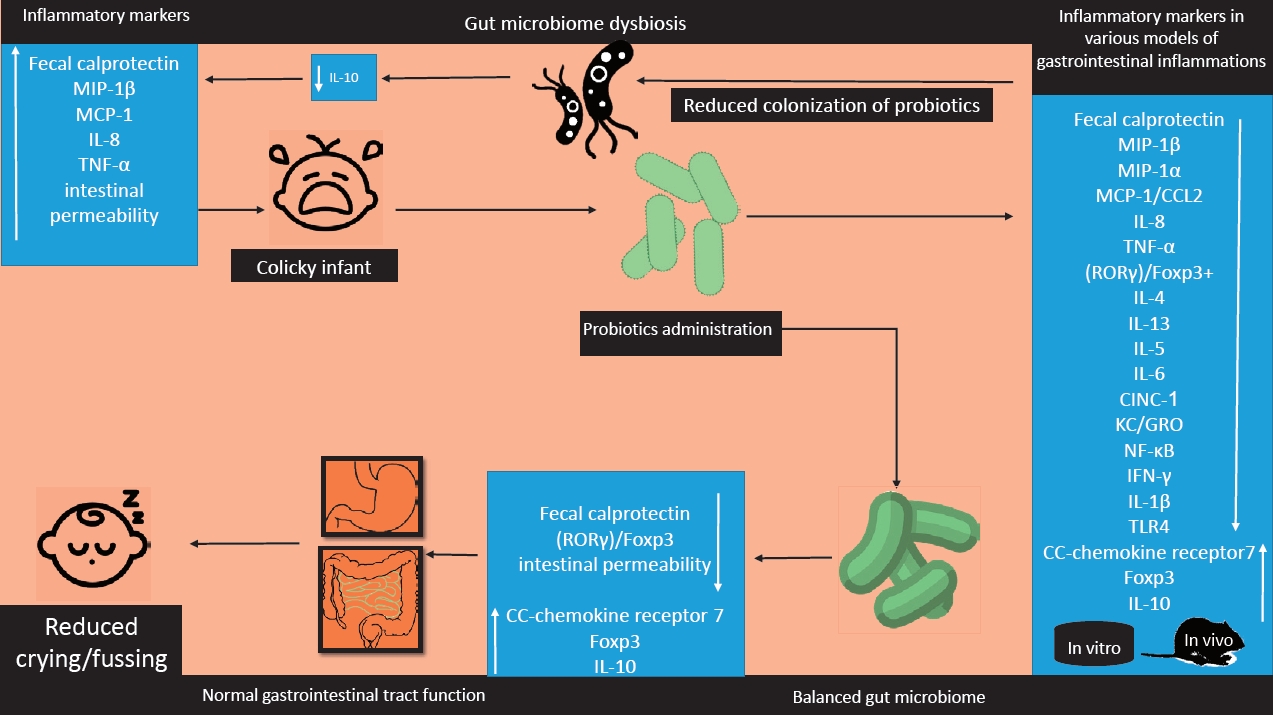
Finding: Probiotics reduced colic symptoms in colicky infants probably due to the anti-inflammatory properties.
Meaning: Probiotics may be an effective and less noxious way to manage infantile colic.
Review Article
Nephrology (Genitourinary)
Obesity and chronic kidney disease: prevalence, mechanism, and management
Hyung Eun Yim, Kee Hwan Yoo
Clin Exp Pediatr. 2021;64(10):511-518.   Published online April 6, 2021
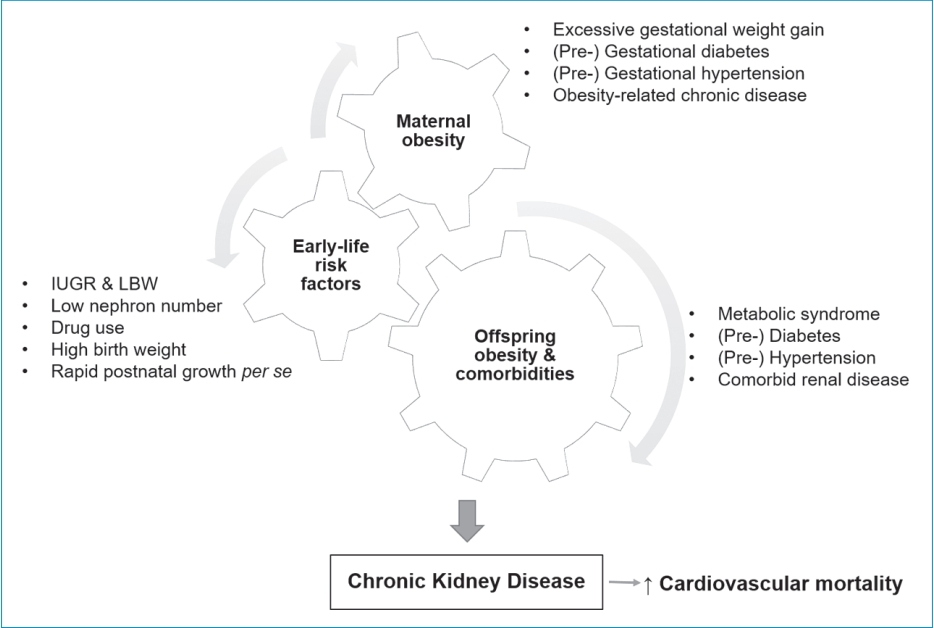
· Obesity is strongly associated with the development and progression of chronic kidney disease.
· Altered renal hemodynamics, metabolic effects, and lipid nephrotoxicity may play a key role in the development of obesity-related kidney disease.
· Children born to obese mothers are at increased risk of developing obesity and chronic kidney disease later in life.
· A multilevel approach is needed to prevent obesity and related chronic diseases.
Original Article
Allergy
Cohort profile: National Investigation of Birth Cohort in Korea study 2008 (NICKs-2008)
Ju Hee Kim, Jung Eun Lee, So Min Shim, Eun Kyo Ha, Dong Keon Yon, Ok Hyang Kim, Ji Hyeon Baek, Hyun Yong Koh, Kyu Young Chae, Seung Won Lee, Man Yong Han
Clin Exp Pediatr. 2021;64(9):480-488.   Published online January 5, 2021
This national cohort study included all Korean children born in 2008 and 2009 observed over a period of more than 10 years. Our findings demonstrate that it is possible to analyze disease onset prior to hospitalization based on information such as lifestyle, eating habits, and risk factors by integrating National Health Insurance System data with national health screening data.
Neonatology (Perinatology)
Predictive factors of death in neonates with hypoxic-ischemic encephalopathy receiving selective head cooling
Behnaz Basiri, Mohammadkazem Sabzehei, Mohammadmahdi sabahi
Clin Exp Pediatr. 2021;64(4):180-187.   Published online August 27, 2020
Question: What is the most important factor that increases mortality in infants with hypoxic-ischemic encephalopathy (HIE) who receive selective head cooling?
Finding: All cases of neonatal mortality were severe HIE (stage 3), and a severely abnormal amplitude-integrated electroencephalography and mortality were increased with the need for advanced neonatal resuscitation upon delivery.
Meaning: Advanced neonatal resuscitation affects HIE outcomes, and medical personnel should be prepared to provide the best intervention.
Knowledge and perceptions of kangaroo mother care among health providers: a qualitative study
Hadi Pratomo, Tiara Amelia, Fatmawati Nurlin, Asri C. Adisasmita
Clin Exp Pediatr. 2020;63(11):433-437.   Published online July 21, 2020
Question: What are health providers’ knowledge and perceptions of Kangaroo mother care (KMC)?
Finding: Health providers’ knowledge of KMC was sufficient; however, some of their perceptions about it could create barriers to the successful implementation of hospital KMC programs.
Meaning: Health providers’ perceptions about KMC should be considered to ensure successful KMC implementation. Locally designed on-site training programs could overcome the challenges.
Review Article
Genetics and Metabolism
Understanding the genetics of systemic lupus erythematosus using Bayesian statistics and gene network analysis
Seoung Wan Nam, Kwang Seob Lee, Jae Won Yang, Younhee Ko, Michael Eisenhut, Keum Hwa Lee, Jae Il Shin, Andreas Kronbichler
Clin Exp Pediatr. 2021;64(5):208-222.   Published online July 15, 2020
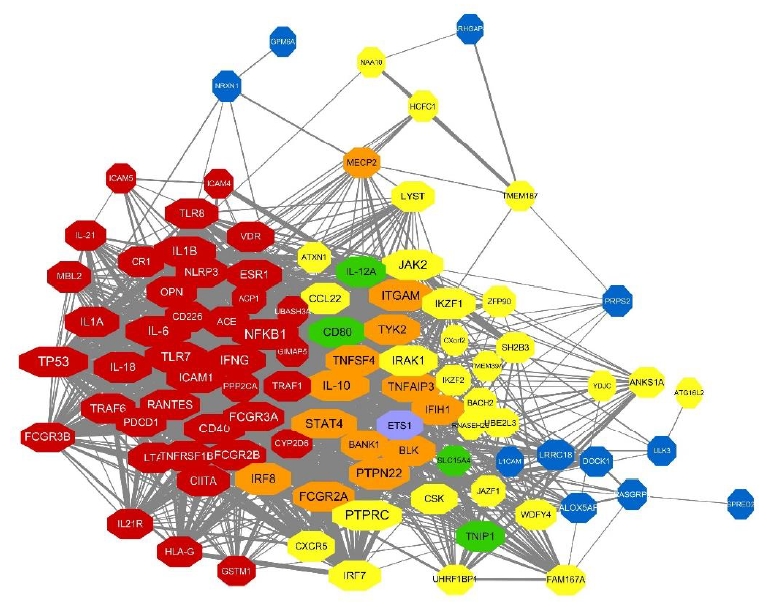
Bayesian false-discovery probability and false-positive report probability are the 2 major Bayesian methods used to evaluate noteworthiness of a genetic variant.
Application of stricter P value is needed to confirm statistical significance in meta-analyses.
Gene network analysis of noteworthy genetic variants shows a blueprint of the genetic background in complex diseases.
Immunology
Immunopathogenesis of COVID-19 and early immunomodulators
Kyung-Yil Lee, Jung-Woo Rhim, Jin-Han Kang
Clin Exp Pediatr. 2020;63(7):239-250.   Published online June 18, 2020
The novel coronavirus disease 2019 (COVID-19) is spreading globally. Although its etiologic agent is discovered as severe acute respiratory syndrome coronavirus-2 (SARS-CoV-2), there are many unsolved issues in COVID-19 and other infectious diseases. The causes of different clinical phenotypes and incubation periods among individuals, species specificity, and cytokine storm with lymphopenia as well as the mechanism of damage to organ...
Neurology
Myelin oligodendrocyte glycoprotein antibody-associated disorders: clinical spectrum, diagnostic evaluation, and treatment options
Yun-Jin Lee, Sang Ook Nam, Ara Ko, JuHyun Kong, Shin Yun Byun
Clin Exp Pediatr. 2021;64(3):103-110.   Published online May 14, 2020
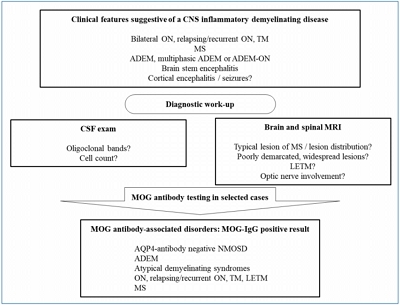
MOG antibody-associated disorder exhibits different pathophysiological and phenotypic findings than both aquaporin-4 antibody-associated neuromyelitis optica spectrum disorder and typical MS. MOG-antibody is of particular interest in pediatric patients with clinical or radiological non-MS typical findings. MOG-antibody was included in a diagnostic algorithm for children recommending for the first time a standardized use in clinical practice except in cases of typical MS.
Original Article
Neurobehavior
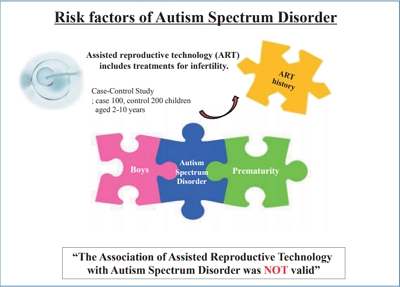
Association between assisted reproductive technology and autism spectrum disorders in Iran: a case-control study
Ensiyeh Jenabi, Mahdieh Seyedi, Ronak Hamzehei, Saeid Bashirian, Mohammad Rezaei, Katayoon Razjouyan, Salman Khazaei
Clin Exp Pediatr. 2020;63(9):368-372.   Published online March 27, 2020
Background: Autism spectrum disorder (ASD) is a neurodevelopmental disorder defined by impairments in social interaction and verbal and nonverbal communication.
Purpose: Determine the association between use of assisted reproduction technology (ART) and the risk of ASD among children. Methods: This case-control study included 300 participants (100 cases, 200 controls). The control group included women with a child aged 2–10 years without ASD,...
General Pediatrics
Ability of children to perform touchscreen gestures and follow prompting techniques when using mobile apps
Savita Yadav, Pinaki Chakraborty, Arshia Kaul, Pooja, Bhavya Gupta, Anchal Garg
Clin Exp Pediatr. 2020;63(6):232-236.   Published online February 5, 2020
Background: Children today get access to smartphones at an early age. However, their ability to use mobile apps has not yet been studied in detail.
Purpose: This study aimed to assess the ability of children aged 2–8 years to perform touchscreen gestures and follow prompting techniques, i.e., ways apps provide instructions on how to use them. Methods: We developed one mobile app...
Review Article
Neurology
Factors associated with seizure and cognitive outcomes after epilepsy surgery for low-grade epilepsy-associated neuroepithelial tumors in children
Ara Ko, Joon Soo Lee
Clin Exp Pediatr. 2020;63(5):171-177.   Published online November 13, 2019
Low-grade epilepsy-associated neuroepithelial tumors (LEATs) are responsible for drug-resistant chronic focal epilepsy, and are the second-most common reason for epilepsy surgery in children. LEATs are extremely responsive to surgical treatment, and therefore epilepsy surgery should be considered as a treatment option for LEATs. However, the optimal time for surgery remains controversial, and surgeries are often delayed. In this review, we...
Allergy
Drug Allergy in Children: What Should We Know?
Ji Soo Park, Dong In Suh
Clin Exp Pediatr. 2020;63(6):203-210.   Published online November 12, 2019
The drug allergy “label” may have a lifetime of consequences for a child. Many children with alleged drug allergies are proven to be tolerant to the culprit medication when challenged. The field of drug hypersensitivity is a recently evolving field of research, but studies on its epidemiology and diagnostic tools are lacking in children. Clinical history is significant in the...
Original Article
Endocrinology
Lipid accumulation product is a predictor of nonalcoholic fatty liver disease in childhood obesity
Bahar Özcabı, Salih Demirhan, Mesut Akyol, Hatice Öztürkmen Akay, Ayla Güven
Clin Exp Pediatr. 2019;62(12):450-455.   Published online October 28, 2019
Background: Lipid accumulation product (LAP) is associated with the presence and severity of nonalcoholic fatty liver disease (NAFLD) in adults.
Purpose: Here we evaluated the ability of LAP to predict NAFLD in obese children. Methods: Eighty obese children (38 girls; age 6–18 years) were included. Anthropometric measurements and biochemical values were obtained from the patients’ medical records. LAP was calculated as [waist...
Review Article
Neurology
How can neurological outcomes be predicted in comatose pediatric patients after out-of-hospital cardiac arrest?
Hyo Jeong Kim
Clin Exp Pediatr. 2020;63(5):164-170.   Published online October 10, 2019
The prognosis of patients who are comatose after resuscitation remains uncertain. The accurate prediction of neurological outcome is important for management decisions and counseling. A neurological examination is an important factor for prognostication, but widely used sedatives alter the neurological examination and delay the response recovery. Additional studies including electroencephalography, somatosensory-evoked potentials, brain imaging, and blood biomarkers are useful for...
Original Article
Gastroenterology
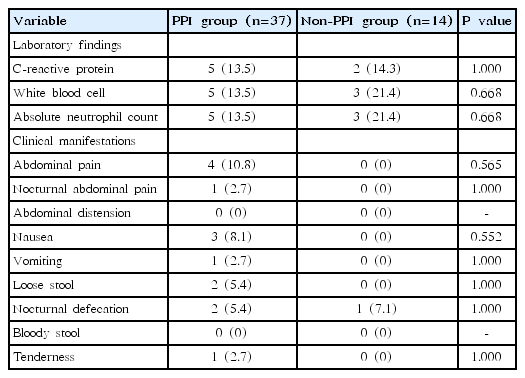
Influence of proton pump inhibitor therapy on intestinal inflammation assessed by fecal calprotectin in pediatric patients
Su Yeong Kim, Na Mi Lee, Sin Weon Yun, Soo Ahn Chae, In Seok Lim, Eung Sang Choi, Dae Yong Yi
Clin Exp Pediatr. 2019;62(10):400-404.   Published online July 3, 2019
Background: An increase in the numbers of patients with gastrointestinal symptoms has recently been observed.
Purpose: To investigate the effects of proton pump inhibitor (PPI) therapy on intestinal inflammation in children and adolescents as confirmed by clinical manifestations and objectively assessed by fecal calprotectin (FC) level measurement. Methods: Consecutive children (aged 3–18 years) who presented with gastrointestinal symptoms and were treated with...
Review Article
Gastroenterology
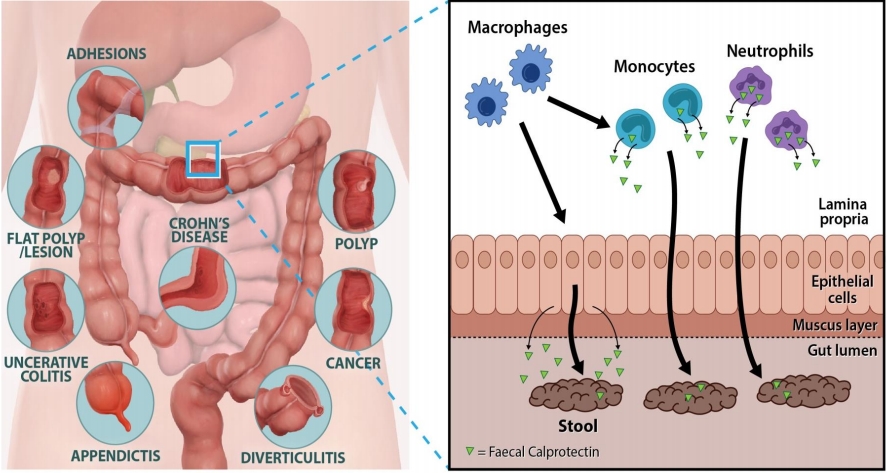
The role of fecal calprotectin in pediatric disease
Su Jin Jeong
Clin Exp Pediatr. 2019;62(8):287-291.   Published online March 28, 2019
Fecal calprotectin (FC) is a calcium- and zinc-binding protein of the S100 family, mainly expressed by neutrophils and released during inflammation. FC became an increasingly useful tool both for gastroenterologists and for general practitioners for distinguishing inflammatory bowel disease (IBD) from irritable bowel syndrome. Increasing evidences support the use of this biomarker for diagnosis, follow-up and evaluation of response to...
Nutrition
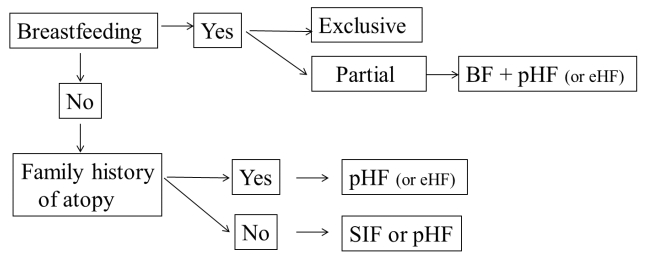
A perspective on partially hydrolyzed protein infant formula in nonexclusively breastfed infants
Yvan Vandenplas, Zakiudin Munasir, Badriul Hegar, Dewi Kumarawati, Ahmad Suryawan, Muzal Kadim, Julistio Tb Djais, Ray Wagiu Basrowi, Deni Krisnamurti
Clin Exp Pediatr. 2019;62(5):149-154.   Published online January 14, 2019
The World Health Organization recommends that infants should be exclusively breastfed for the first 6 months of life to provide optimal nutrition in this critical period of life. After this, infants should receive nutritionally adequate and safe complementary foods while breastfeeding continues for up to 2 years of age or beyond. For nonbreastfed infants, infant formula is an available option...
Original Article
Risk factors for the occurrence and persistence of coronary aneurysms in Kawasaki disease
Soo-kyeong Jeon, Geena Kim, Hoon Ko, Joung-Hee Byun, Hyoung Doo Lee
Clin Exp Pediatr. 2019;62(4):138-143.   Published online November 22, 2018

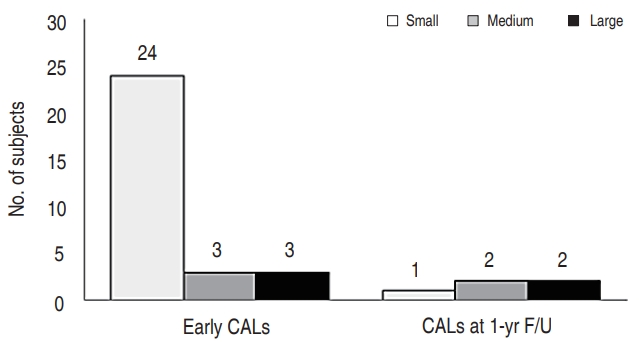
Purpose: Prognostic factors of coronary aneurysms in Kawasaki disease have been investigated in many studies. The aim of this study was to identify risk factors associated with early and late coronary artery outcomes in treated patients with Kawasaki disease. Methods: A total of 392 patients diagnosed with Kawasaki disease from January 2012 to December 2015 in Pusan National University Children’s Hospital...
Cardiology
The change of QRS duration after pulmonary valve replacement in patients with repaired tetralogy of Fallot and pulmonary regurgitation
Yuni Yun, Yeo Hyang Kim, Jung Eun Kwon
Clin Exp Pediatr. 2018;61(11):362-365.   Published online October 24, 2018

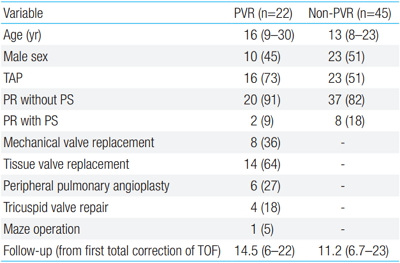
Purpose: This study aimed to analyze changes in QRS duration and cardiothoracic ratio (CTR) following pulmonary valve replacement (PVR) in patients with tetralogy of Fallot (TOF). Methods: Children and adolescents who had previously undergone total repair for TOF (n=67; median age, 16 years) who required elective PVR for pulmonary regurgitation and/or right ventricular out tract obstruction were included in this study....
Neonatology (Perinatology)
Clinical features and prognostic factors of early-onset sepsis: a 7.5-year experience in one neonatal intensive care unit
Se Jin Kim, Ga Eun Kim, Jae Hyun Park, Sang Lak Lee, Chun Soo Kim
Clin Exp Pediatr. 2019;62(1):36-41.   Published online September 27, 2018

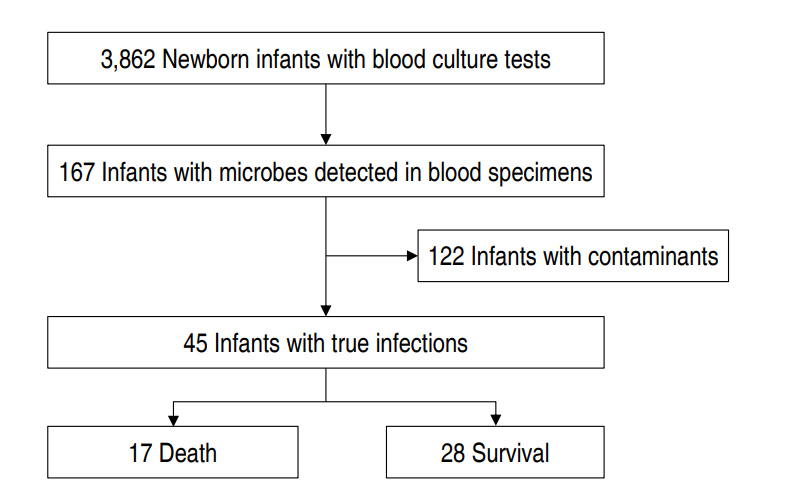
Purpose: In this study, we investigated the clinical features and prognostic factors of early-onset sepsis (EOS) in neonatal intensive care unit (NICU) patients. Methods: A retrospective analysis was conducted on medical records from January 2010 to June 2017 (7.5 years) of a university hospital NICU. Results: There were 45 cases of EOS (1.2%) in 3,862 infants. The most common pathogen responsible for...
Allergy
Common features of atopic dermatitis with hypoproteinemia
So Yoon Jo, Chan-Ho Lee, Woo-Jin Jung, Sung-Won Kim, Yoon-Ha Hwang
Clin Exp Pediatr. 2018;61(11):348-354.   Published online September 16, 2018

Purpose: The purpose of this study was to identify the causes, symptoms, and complications of hypoproteinemia to prevent hypoproteinemia and provide appropriate treatment to children with atopic dermatitis. Methods: Children diagnosed with atopic dermatitis with hypoproteinemia and/or hypoalbuminemia were retrospectively reviewed. The patients’ medical records, including family history, weight, symptoms, treatment, complications, and laboratory test results for allergies and skin cultures,...
Infection
Usefulness of the procalcitonin test in young febrile infants between 1 and 3 months of age
In Sul Lee, Young Jin Park, Mi Hyeon Jin, Ji Young Park, Hae Jeong Lee, Sung Hoon Kim, Ju Suk Lee, Cheol Hong Kim, Young Don Kim, Jun Hwa Lee
Clin Exp Pediatr. 2018;61(9):285-290.   Published online September 15, 2018

Purpose: To study the usefulness of the procalcitonin (PCT) test in young febrile infants between 1 and 3 months of age. Methods: We evaluated the medical records of 336 febrile infants between 1 and 3 months of age who visited the Emergency Department or outpatient department of Samsung Changwon Hospital from May 2015 to February 2017, and analyzed the clinical characteristics...
Pulmonology
Increased procalcitonin level is a risk factor for prolonged fever in children with Mycoplasma pneumonia
Ji Eun Jeong, Ji Eun Soh, Ji Hee Kwak, Hye Lim Jung, Jae Won Shim, Deok Soo Kim, Moon Soo Park, Jung Yeon Shim
Clin Exp Pediatr. 2018;61(8):258-263.   Published online August 15, 2018

Purpose: Macrolide-resistant Mycoplasma pneumoniae pneumonia (MPP) is characterized by prolonged fever and radiological progression despite macrolide treatment. Few studies have examined serum procalcitonin (PCT) level in children with MPP. We aimed to investigate the association of acute inflammation markers including PCT with clinical parameters in children with MPP. Methods: A total of 147 children were recruited. The diagnosis of MPP...
Neonatology (Perinatology)
The impact of a quality improvement effort in reducing admission hypothermia in preterm infants following delivery
Han Saem Choi, Soon Min Lee, Hoseon Eun, Minsoo Park, Kook-In Park, Ran Namgung
Clin Exp Pediatr. 2018;61(8):239-244.   Published online August 15, 2018

Purpose: Hypothermia at admission is associated with increased mortality and morbidity in preterm infants. We performed a quality improvement (QI) effort to determine the impact of a decrease in admission hypothermia in preterm infants. Methods: The study enrolled very low birth weight (VLBW) infants born at Gangnam Severance Hospital between January 2013 and December 2016. This multidisciplinary QI effort included the...
Infection
Clinical and laboratory profiles of hospitalized children with acute respiratory virus infection
Eunjin Choi, Kee-Soo Ha, Dae Jin Song, Jung Hwa Lee, Kwang Chul Lee
Clin Exp Pediatr. 2018;61(6):180-186.   Published online June 25, 2018
Purpose

Despite the availability of molecular methods, identification of the causative virus in children with acute respiratory infections (ARIs) has proven difficult as the same viruses are often detected in asymptomatic children.

Methods

Multiplex reverse transcription polymerase chain reaction assays were performed to detect 15 common respiratory viruses in children under 15 years of age who were hospitalized with ARI between January 2013...

Cardiology
Clinical implications in laboratory parameter values in acute Kawasaki disease for early diagnosis and proper treatment
Yu-Mi Seo, Hyun-Mi Kang, Sung-Churl Lee, Jae-Won Yu, Hong-Ryang Kil, Jung-Woo Rhim, Ji-Whan Han, Kyung-Yil Lee
Clin Exp Pediatr. 2018;61(5):160-166.   Published online May 28, 2018
Purpose

This study aimed to analyse laboratory values according to fever duration, and evaluate the relationship across these values during the acute phase of Kawasaki disease (KD) to aid in the early diagnosis for early-presenting KD and incomplete KD patients.

Methods

Clinical and laboratory data of patients with KD (n=615) were evaluated according to duration of fever at presentation, and were compared between...


TOPICS

Browse all articles >

ARTICLE CATEGORY

Browse all articles >

BROWSE ARTICLES
FOR CONTRIBUTORS
ABOUT
Editorial Office
Korean Pediatric Society
#1606 Seocho World Officetel, 19 Seoun-ro, Seocho-ku, Seoul 06732, Korea
Tel: +82-2-3473-7306    Fax: +82-2-3473-7307    E-mail: office@e-cep.org                

Clinical and Experimental Pediatrics is an open access journal. All articles are distributed under the terms of the Creative Commons Attribution NonCommercial License (http://creativecommons.org/licenses/by-nc/4.0/)

Copyright © 2025 by Korean Pediatric Society.      Developed in M2PI