|
|
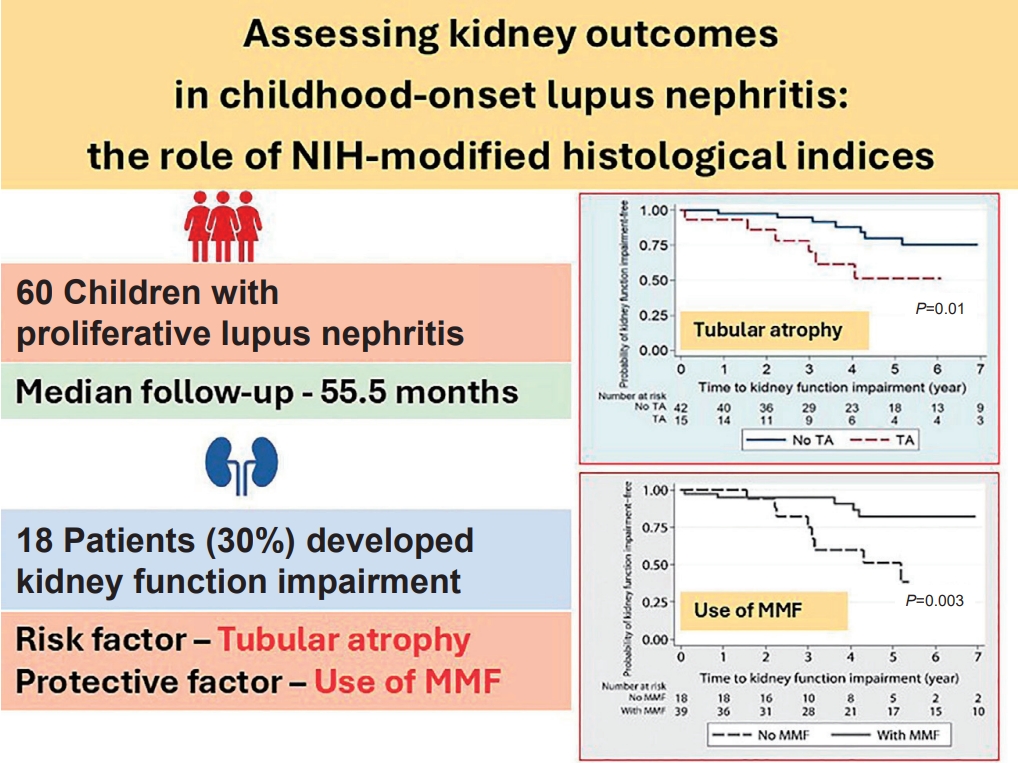
Question: In children with proliferative lupus nephritis, do National Institutes of Health-modified indices and treatment choices predict long-term kidney function? Finding: Higher chronicity index scores, especially tubular atrophy and interstitial fibrosis, predicted kidney impairment. Additionally, the use of mycophenolate mofetil (MMF) for maintenance therapy was associated with a lower risk of kidney function decline. Meaning: The early recognition of chronic lesions and MMF-based maintenance therapy may improve kidney outcomes in childhood-onset lupus nephritis. |
|
|
Question: What can predict immunoglobulin A vasculitis (IgAV) recurrence, and when does it occur? How do childhood- and adolescent-onset IgAV compare? Finding: The IgAV recurrence rate was 35.6%. It usually occurred within 12 months and was associated with corticosteroids treatment. Meaning: Childhood-onset IgAV more commonly featured gastrointestinal and musculoskeletal manifestations and required hospitalization. Adolescent-onset IgAV more commonly featured renal involvement. Vigilant monitoring for recurrence is necessary, particularly with corticosteroids treatment. |
|
|
Question: What are the clinicopathological features and outcomes of pediatric C3 glomerulopathy (C3G) in resource-limited settings? Finding: Children with C3G in resource-limited settings have significant morbidities, and most experience kidney sequelae despite treatment. Electron microscopy was performed in only 50% of our patients, while none received complement assays or genetic testing. Meaning: Pediatric C3G presentation, management, and kidney outcomes vary. Its thorough evaluation and management are challenging in resource-limited settings. |
|
|
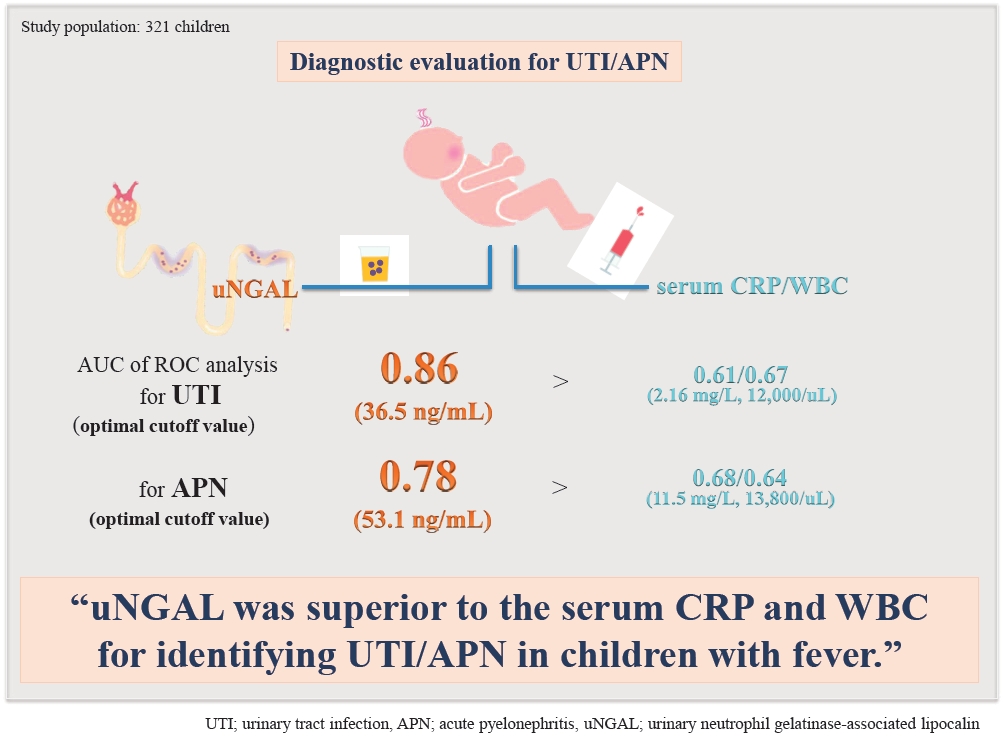
Question: Reliably diagnosing urinary tract infection (UTI) in febrile children is often difficult. Can urinary neutrophil gelatinase-associated lipocalin (uNGAL) better predict UTI and acute pyelonephritis (APN) than serum C-reactive protein (CRP) and white blood cell (WBC) count? Finding: uNGAL better facilitated the prediction of UTI and APN, than serum CRP and WBC counts in febrile children. Meaning: uNGAL is a suitable biomarker for UTI and APN in febrile children. |
|
|
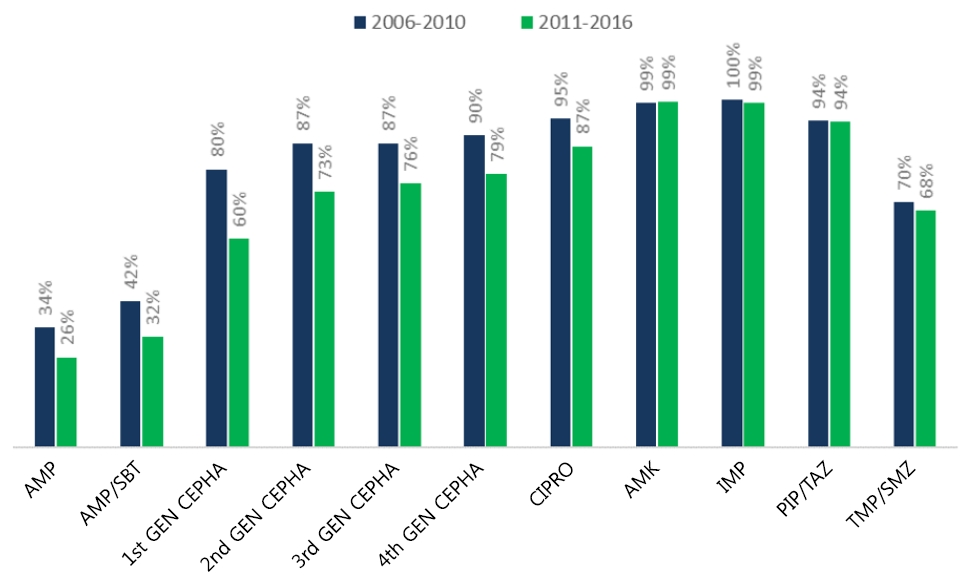
Question: How has the antibiotic susceptibility of urinary pathogens changed and what does it imply? Finding: A yearly increase in multidrug-resistant and extended-spectrum β-lactamase (ESBL)–producing pathogens was observed. A higher recurrence rate was observed in cases of febrile urinary tract infection caused by ESBL producers in patients with underlying vesicoureteral reflux (VUR). Meaning: The initial empirical antibiotic should reflect the changing susceptibility patterns and underlying VUR status. |
|
|
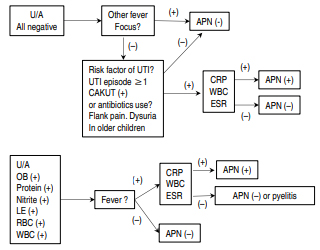
Acute pyelonephritis (APN) should be detected and treated as soon as possible to reduce the risk of the development of acquired renal scarring. However, in the medical field, urine culture results are not available or considered when the prompt discrimination of APN is necessary and empirical treatment is started. Furthermore, urine culture cannot discriminate APN among children with febrile urinary... |
|
We report the case of a 12-year-old girl who had mild encephalopathy with a reversible splenial lesion (MERS) associated with acutepyelonephritis caused by |
|
Tubulointerstitial nephritis and uveitis (TINU) syndrome is a rare disease, often underdiagnosed or misdiagnosed in children. We describe the case of a 12-year-old boy who presented to Severance Hospital with a 1-month history of bilateral conjunctival injection. He was first evaluated by an Ophthalmologist in another hospital and diagnosed with panuveitis. Laboratory tests indicated renal failure, and a renal biopsy... |
|
Drug rash with eosinophilia and systemic symptoms (DRESS) syndrome is a rare and potentially fatal condition characterized by skin rash, fever, eosinophilia, and multiorgan involvement. Various drugs may be associated with this syndrome including carbamazepine, allopurinol, and sulfasalazine. Renal involvement in DRESS syndrome most commonly presents as acute kidney injury due to interstitial nephritis. An 11-year-old boy was referred to... |
|
Acute pyelonephritis (APN) is a serious bacterial infection that can cause renal scarring in children. Early identification of APN is critical to improve treatment outcomes. The neutrophil-lymphocyte ratio (NLR) is a prognostic marker of many diseases, but it has not yet been established in urinary tract infection (UTI). The aim of this study was to determine whether NLR is a... |
|
Plastibell is one of the three most common devices used for neonatal circumcision in the United States, with a complication rate as low as 1.8%. The Plastibell circumcision device is commonly used under local anesthesia for religious circumcision in male neonates, because of cosmetic reasons and ease of use. Occasionally, instead of falling off, the device may get buried under... |
|
Early diagnosis and treatment of acute pyelonephritis in children is of special importance in order to prevent serious complications. This study was conducted to determine the diagnostic value of serum interleukin (IL)-6 and IL-8 in children with acute pyelonephritis. Eighty-seven patients between 1 month to 12 years old with urinary tract infection (UTI) were divided into 2 groups based on the... |
|
The diagnosis of acute pyelonephritis (APN) is often difficult, as its clinical and biological manifestations are non-specific in children. If not treated quickly and adequately, however, APN may cause irreversible renal damage, possibly leading to hypertension and chronic renal failure. We were suspecting the diagnostic value of 99mTc-dimercaptosuccinic acid (DMSA) scan by experiences and so compared the results of DMSA... |
|
Dense deposit disease (DDD) is a rare disorder characterized by the deposition of abnormal electron-dense material within the glomerular basement membrane of the kidneys. The diagnosis is made in most patients between 5 and 15 years of age, and within 10 years, approximately half of the affected patients progress to end-stage renal disease. We report a rare case of regressive... |
| Purpose : We aimed to prove the relative limitation of 99mTc-DMSA scintigraphy (DMSA) compared to computed tomography (CT) in diagnosing acute pyelonephritis (APN) in children. Methods : Since September 2006, after a 64-channel CT was imported, 10 DMSA false-negative patients have been identified: these patients underwent a CT scan for acute abdomen or acute febrile symptoms and were diagnosed as... |
| Purpose : Interleukin-17 (IL-17) is produced by activated CD4+T cells and exhibits pleiotropic biological activity on various cell types. IL-17 was reported to be involved in the immunoregulatory response in IgA nephropathy (IgAN). Our aim was to investigate the association between single-nucleotide polymorphisms (SNPs) in IL-17 receptor A (IL-17RA) gene and childhood IgAN. Methods : We analyzed the SNPs in the... |
|
Purpose:We performed this study in order to investigate the effect of direct renin inhibition on an experimental animal model with nephrotoxic serum nephritis and tried to give useful information for clinical research and renin inhibitor treatment. Methods:Thirty BALB/c 6-week-old male mice were divided into 4 groups: control group (CO, n=5), control-treatment group with aliskiren (CT, n=5), disease group (DO, n=10), and disease treatment... |
| Systemic lupus erythematosus (SLE) is an episodic, multi-system, autoimmune disease characterized by widespread inflammation of blood vessels and connective tissues and by the presence of antinuclear antibodies (ANAs), especially antibodies to native (double-stranded) DNA (dsDNA). Its clinical manifestations are extremely variable, and its natural history is unpredictable. Untreated, SLE is often progressive and has a significant fatality rate. The most... |
| Purpose : Since 1998, school urinary screening tests have been performed on Korean school children. We could detect and treat so many asymptomatic chronic renal disease in early stage. We investigated the efficacy of school urinary screening tests from children with membranoproliferative glomerulonephritis (MPGN) type I. Methods : We analyzed the characteristics and prognosis of 18 patients with MPGN type I... |
| Purpose : Clinicopathological features were investigated to clarify the outcome and prognostic indicators for patients with IgA nephropathy in Korean children. Methods : We reviewed the outcomes of 61 patients in whom IgA nephropathy was diagnosed before the age of 15 years from 1991 to 2005 and followed-up at least for one year. All patients were confirmed by renal biopsy. Results... |
| Purpose : Although suprapubic bladder aspiration(SBA) is the most reliable technique for identifying bacteriuria in young infant, no report has been published about the clinical manifestations of urinary tract infection(UTI) diagnosed by aspirated urine in Korea. This study was performed to examine clinical manifestations and related factors of UTI confirmed by a positive urine culture obtained by SBA in young infants. Methods : We reviewed... |
| Purpose : It is difficult to make a distinction between lower urinary tract infection(UTI) and acute pyelonephritis(APN) during the acute phase of febrile UTI due to nonspecific clinical symptoms and laboratory findings, especially among young children. We measured the serum procalcitonin(PCT) in children with UTI to distinguish between acute pyelonephritis and lower UTI, and to determine the accuracy of PCT... |
| Purpose : The purpose of this study is to evaluate the clinical characteristic changes of acute poststeptococcal glomerulonephritis(APSGN) in recent. The cases of APSGN occurred for the last ten years were divided into group I and II by the unit of 5 years and clinical manifestations and laboratory findings of each groups were analyzed. Methods : Total of 74 cases... |
| Purpose : Acute poststreptococcal glomerulonephritis(APSGN) is a common form of glomerulonephritis in children. Most patients recover completely after the acute phase but a few patients have acute complications or progress to chronic renal disease. In recent years, the frequency of APSGN has been was decreasing but is still common in children. So we studied the clinical characteristics of APSGN from... |
| Henoch-Schönlein purpura (HSP) is a systemic disorder characterized by leukocytoclastic vasculitis that can affect multiple organs predominantly the skin, joints, gastrointestinal tract and kidney. Although the specific pathogenesis of HSP is not known, there are several hypotheses. Although the importance of the complement activation in glomerular injury in HSP has been suggested, the complement levels and the blood pressure in... |
| Purpose : Long-term prognosis of Henoch-Sch nlein purpura(HSP) is determined by the existence and severity of renal involvement. We evaluated the relationship between various clinical features of HSP and the development of renal involvement using univariate and multivariate analyses for early detection and proper management of HSP nephritis. Methods : We performed a retrospective study of 200 children who were diagnosed... |
| Purpose : Henoch-Sch nlein purpura(HSP) is a systemic vasculitis, characterized by cutaneous purpura, abdominal pain, arthralgia and renal involvement. The clinical features of HSP have been reasonably well documented but there are still many gaps in our understanding of HSP. The aim of this study was to present the clinical features of 125 children with HSP and compare them with... |
| Henoch-Shonlein purpura(HSP) is a systemic small-vessel vasculitis that primarily affects the skin, gastrointestinal tract, joints, and kidneys. The nervous system may be involved, less commonly than other organs. When the central nervous system(CNS) was involved, headache, changes in mental status, seizures, and focal neurologic deficits have been reported. Hypertension, uremic encephalopathy, metabolic abnomalities, electrolyte abnormalities, or cerebral vasculitis were suggested... |
| Purpose : To raise awareness of the clinical importance of, and the need for proper management of acute focal bacterial nephritis(AFBN), we analyzed 22 AFBN patients and 22 other upper urinary tract infection patients by use of comparative studies. Methods : From January 2000 to May 2002, 22 AFBN patients aged from 1 month to 12 months were selected. As a... |
| Purpose : Henoch-Schonlein purpura(HSP) nephritis has been reported to vary from 25 to 50% among HSP patients and is a common cause of chronic glomerulonephritis in children. In our study, we evaluated the distribution and the association of the Insertion/Deletion(I/D) polymorphism of angiotensin converting enzyme(ACE) gene with clinical manifestations, particularly proteinuria in children with HSP nephritis, compared with that in... |
Clinical and Experimental Pediatrics is an open access journal. All articles are distributed under the terms of the Creative Commons Attribution NonCommercial License (http://creativecommons.org/licenses/by-nc/4.0/)
Copyright © 2026 by Korean Pediatric Society.