|
|
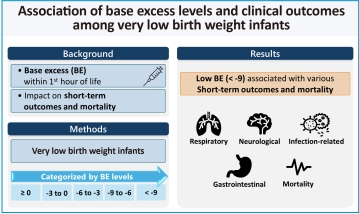
Question: Is metabolic acidosis at birth in very low birth weight infants (VLBWIs) associated with long-term clinical outcomes? Finding: Metabolic acidosis at birth was associated with increased mortality, adverse respiratory outcomes, neurological morbidities, and infection-related and gastrointestinal outcomes. Meaning: VLBWIs with metabolic acidosis are at high risk of systemic complications. This finding emphasizes the need for close monitoring and comprehensive care. |
|
|
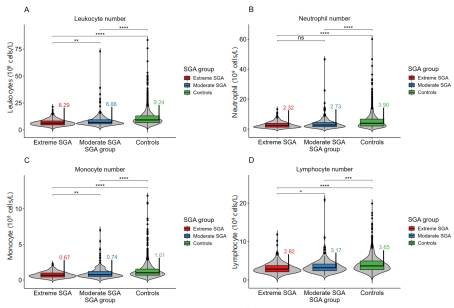
Question: As small for gestational age (SGA) neonates are more susceptible to infections, we hypothesized that their complete blood count and leukocyte differentiation might be affected. Finding: The counts of multiple blood cells of extreme SGA neonates were affected as illustrated by multivariate analyses, which showed significant decreases in neutrophil, monocyte, lymphocyte, and thrombocyte counts. Meaning: The mechanisms underlying this phenomenon and its clinical effects require further elucidation. |
|
|
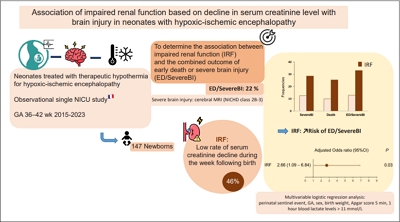
Question: The clinical relevance of impaired renal function (IRF), based on the rate of serum creatinine level decline during the week after birth, in neonates treated with therapeutic hypothermia for hypoxic-ischemic encephalopathy need further investigation. Finding: In this study, neonates with IRF had 2-fold higher risk of early death or severe brain injury. Meaning: IRF can be used as a marker of adverse neonatal outcomes. |
|
|
Question: Is macronutrient intake, particularly that from human milk, distinctly associated with the growth of preterm infants? Finding: Total protein and fat intake derived from human milk and fortifiers showed distinct positive associations with weight gain velocity. Meaning: Particular attention to protein and fat composition during individualized human milk fortification can optimize weight gain in preterm infants. |
|
|
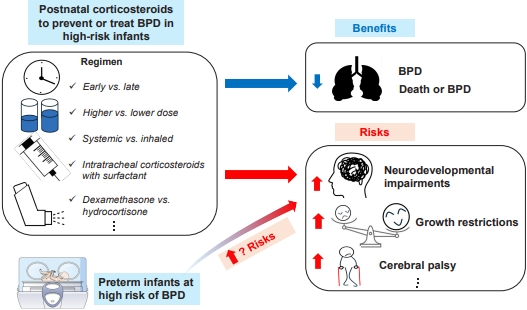
Postnatal corticosteroids facilitate ventilator weaning and reduce the risk of bronchopulmonary dysplasia (BPD). Despite being commonly used in high-risk infants, administration guidelines have not been established. Early dexamethasone may cause neurodevelopmental harm, and the optimal dosing remains uncertain. Inhaled corticosteroids show inconclusive benefits, whereas intratracheal administration with surfactant appears promising. Thus, corticosteroids should be used cautiously in high-risk, ventilator-dependent infants with severe BPD, and further high-quality trials are needed. |
|
|
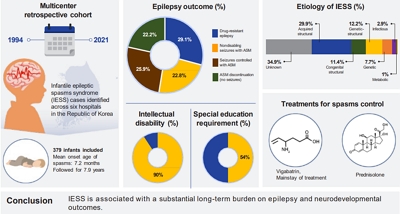
Question: How have epilepsy and cognitive outcomes of children with infantile epileptic spasms syndrome (IESS) evolved over the past 20 years? Finding: Approximately 78% of children developed chronic epilepsy, and one-third progressed to drug-resistant epilepsy, while 90% of them exhibited intellectual disabilities. Meaning: Given the poor outcomes associated with IESS, consensus guidelines tailored to Korean clinical practice are required to ensure timely treatment and improve outcomes. |
|
|
Question: Can the revised Japanese classification predict severe bronchopulmonary dysplasia (BPD) early in preterm infants? Finding: Small for gestational age and bubbly/cystic chest radiographic patterns were independently associated with severe BPD, and subtypes I and III showed particularly strong associations. Meaning: This classification may facilitate early risk stratification and guide timely supportive strategies to prevent progression to severe BPD. |
|
|
Question: How is arterial blood pressure related to cerebral oxygenation during the immediate postnatal transition in neonates? Finding: Among preterm infants requiring respiratory support, cerebral oxygenation was associated with diastolic and mean arterial pressures, indicating passive pressure perfusion. Meaning: Compromised preterm infants are vulnerable to impaired autoregulation with cerebral oxygenation fluctuations, highlighting the need for hemodynamic and cerebral monitoring plus routine monitoring of arterial oxygen saturation and heart rate. |
|
|
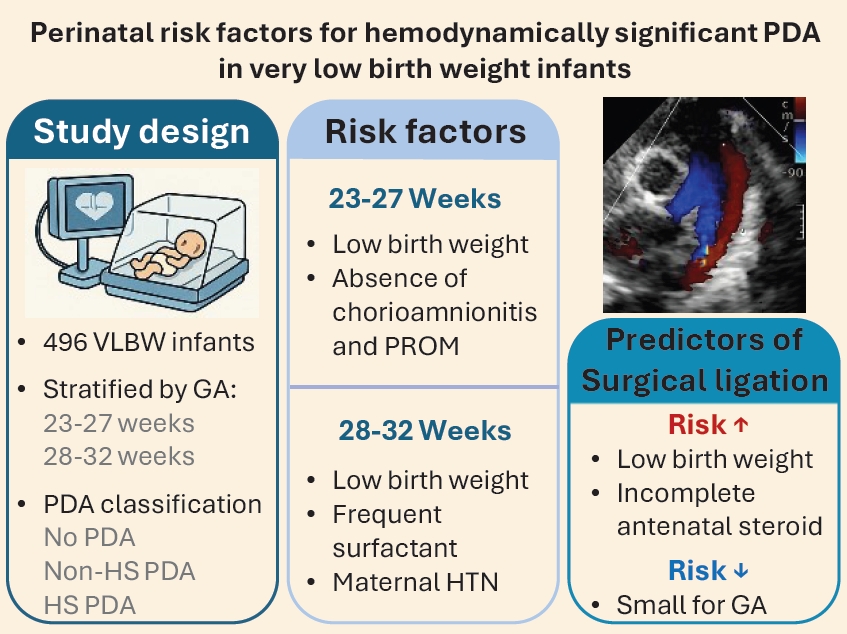
Question: What perinatal factors influence patent ductus arteriosus (PDA) in and improve outcomes of preterm infants? Finding: Lower birth weight, frequent surfactant treatment, and maternal hypertension increased hemodynamically significant PDA risk in very low birth weight infants, whereas chorioamnionitis and premature rupture of membranes protected against it. A lower birth weight and incomplete antenatal steroid use increased the risk of surgical ligation, whereas small for gestational age reduced it. Meaning: Recognizing these factors may enable early, targeted intervention and reduce the need for surgical management. |
|
|
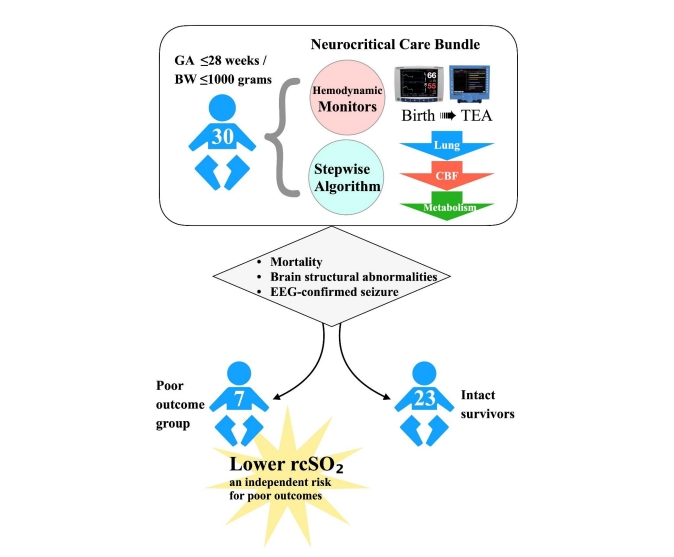
Question: Is prolonged monitoring of regional cerebral oxygen saturation (rcSO2) and hemodynamic parameters a feasible approach? Can these measures predict the neurological outcomes in extremely preterm infants? Finding: We used a neurocritical care bundle from birth to discharge or term-equivalent age. Infants with poor outcomes had significantly lower rcSO2 values. Meaning: Understanding rcSO2 and hemodynamic parameters may help manage cerebral hypoxia and reduce neurological complications in extremely preterm infants. |
|
|
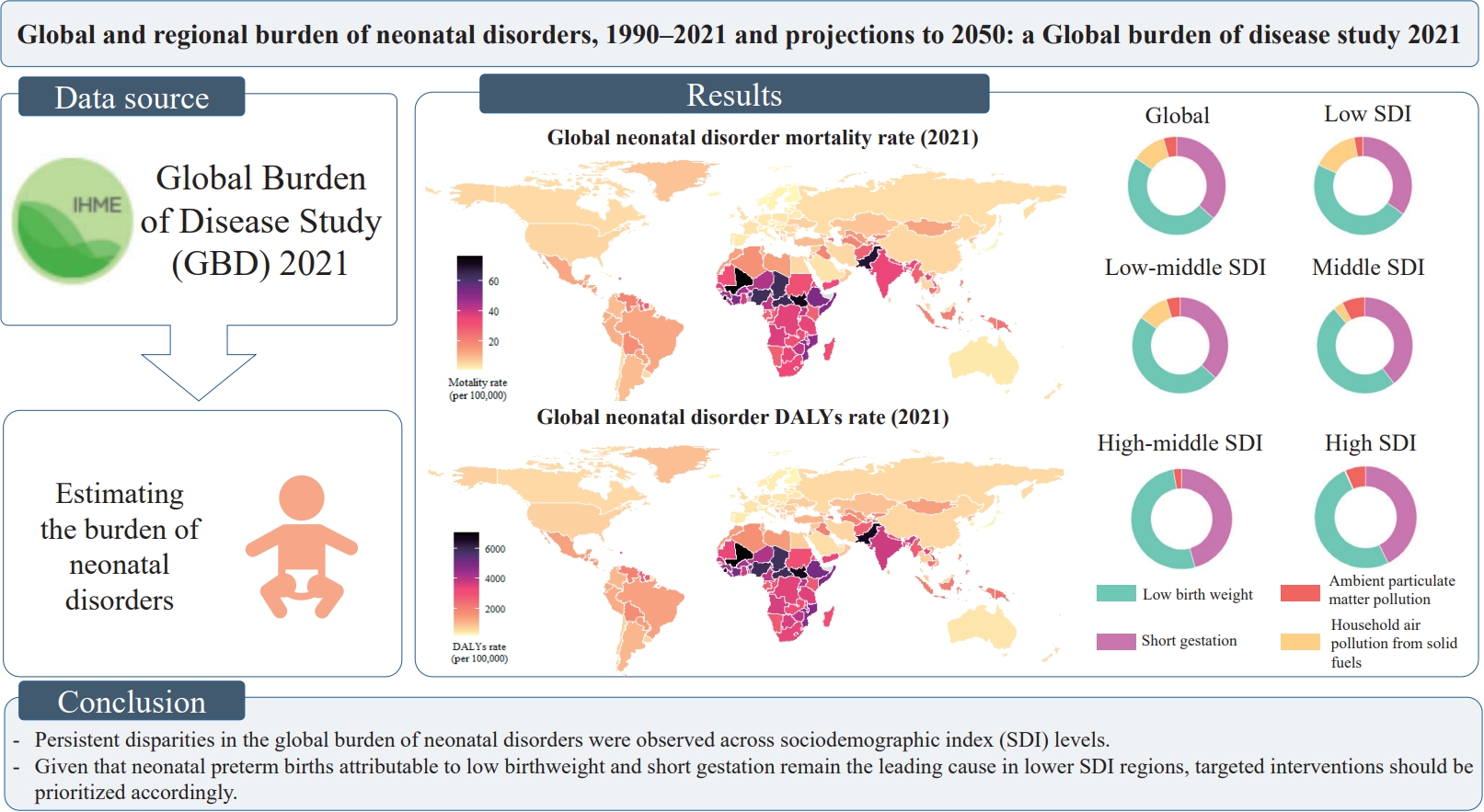
This study provides the first comprehensive estimated global burden of neonatal disorders attributable to risk factors in 1990–2021 stratified by sex, cause, sociodemographic index (SDI), and region. We identified persistent disparities across SDI levels, with low birthweight and short gestation contributing most to the age-standardized disability-adjusted life year rate of neonatal disorders. These findings highlight the urgent need for targeted context-specific interventions to reduce infant mortality and improve neonatal health equity. |
|
|
Question: Is helmet therapy more effective than conservative management in treating positional plagiocephaly? Finding: Both approaches reduced cranial asymmetry with comparable correction speed. Helmet therapy showed a trend toward greater severity reduction. Meaning: Early treatment initiation was the strongest predictor of improvement. Helmet therapy may offer additional benefit in more severe cases. |
|
|
Question: How does the gut microbiota profile of infants with biliary atresia (BA) differ from that of infants with non-BA cholestasis and healthy infants in the Indonesian population? Finding: The unique fecal microbiome composition of the BA group differed significantly from that of the other 2 groups. Meaning: There is an urgent need to improve dysbiosis in BA and non-BA cholestasis to prevent worsening liver injury in cholestasis. |
|
|
Question: Does a respiratory severity score (RSS)-guided postnatal corticosteroid protocol improve respiratory outcomes of extremely preterm (EP) infants without worsening neurodevelopmental outcomes? Finding: The protocol enabled targeted and early steroid use, thereby reducing severe bronchopulmonary dysplasia without affecting mortality or causing neurodevelopmental impairments. Meaning: The RSS-guided protocol may offer a more precise and individualized postnatal corticosteroid therapy for EP infants. |
|
|
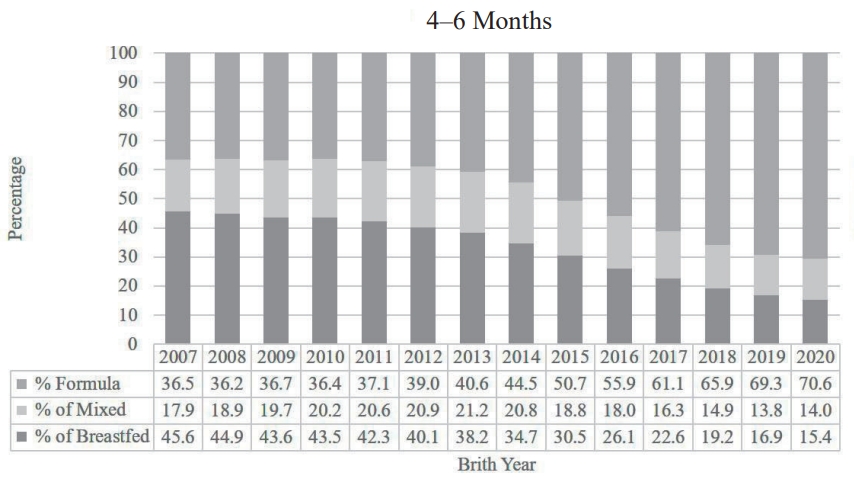
Question: What are the recent trends and determinants of breastfeeding in South Korea? Finding: Breastfeeding rates in South Korea declined significantly from 2007 to 2021, with lower rates observed in preterm, low-birthweight, and multiple-birth infants as well as rural or lower-income households. Meaning: Targeted interventions, including prenatal education, postnatal support, and community-based programs, are required to address disparities and improve breastfeeding rates. |
|
|
Question: Does the gut microbiota differ between very low birth weight (VLBW) infants with versus without bronchopulmonary dysplasia (BPD)? Finding: Common respiratory pathogens were notably elevated in the BPD group, whereas anaerobic and butyrate-producing taxa, key components of postbiotics, were dominant in the non-BPD group. Meaning: In gut-lung communication, the interplay between the intestinal and respiratory systems may implicate pro- and postbiotics in VLBW infants with BPD. |
|
|
· Previous reviews of extrauterine growth restriction focused mainly on weight growth restriction caused by nutritional factors or pathological conditions. · This review summarizes recent developments in the pathophysiology of nonnutritional length growth restriction in very preterm infants with focus on the impact of sustained neonatal inflammation on their short- and long-term outcomes. · Further research is needed to investigate optimal strategies to improve length growth restriction in very preterm infants. |
|
|
With advancements in neonatal intensive care, the limit of viability has shifted to 22–23 weeks' gestation, whose survival rates vary across countries and institutions. These rates are not static and can be improved through the proactive and centralized care guided by national protocols, including maternal transfer to high-activity regions with better neonatal intensive care practices before delivery. |
|
|
Question: How stable are the revised Korean Developmental Screening Test score classifications in early infancy? Finding: A significant number of infants improved into the peer and high-level group (≥-1 standard deviations), especially in the gross motor area. Meaning: The early detection of developmental delay requires a comprehensive medical history, physical and neurological examinations, and repeated developmental screenings. |
|
|
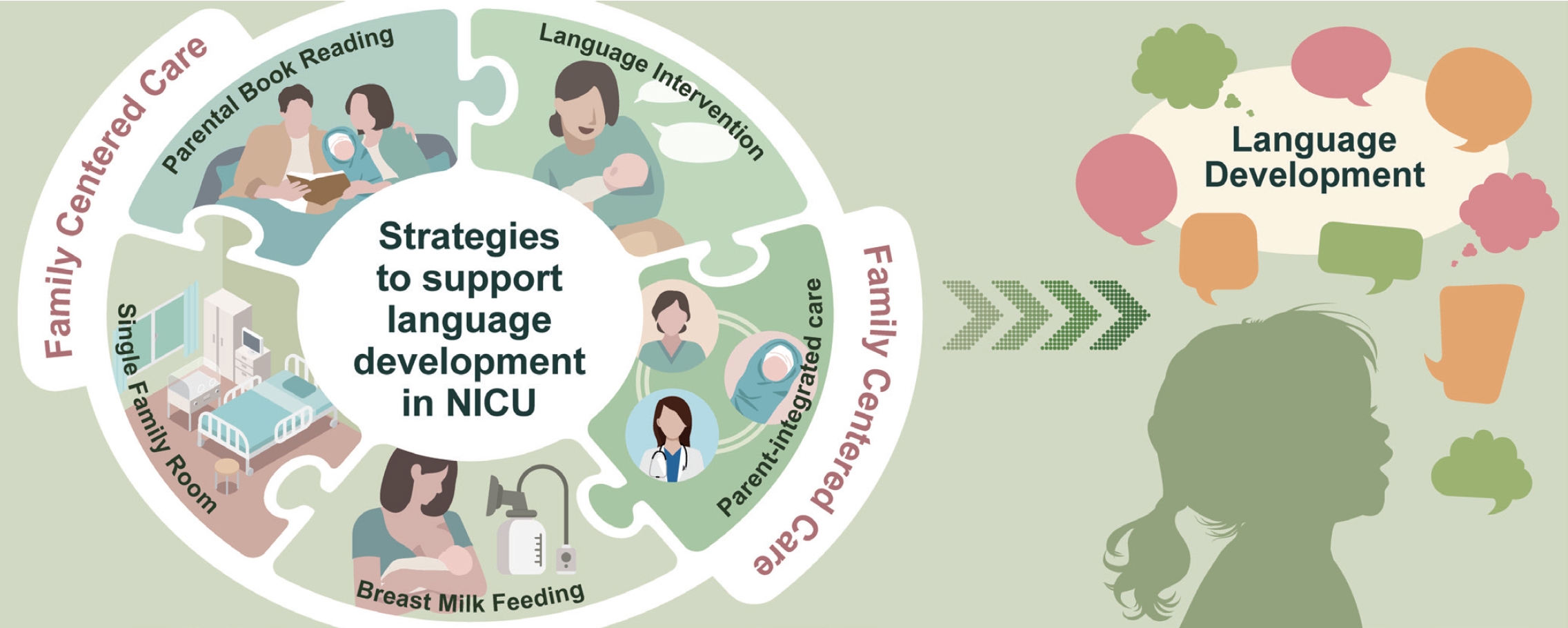
· Preterm infants often experience speech and language development delays during early childhood, impacting children's ultimate outcomes. · Promoting breastfeeding, increasing parent-infant interactions in a single-family room, promoting a nurturing language environment by parental book reading and language interventions, and parent-integrated interventions in the neonatal intensive care unit could potentially enhance children's language development. · Integrating these strategies through family-centered care is essential. |
|
|
Question: Do interventions based on Meleis' transition theory affect mothers' readiness for baby care and breastfeeding? Findings: We found a statistically significant difference between the intervention and control groups in mothers' readiness for newborn care and breastfeeding (P<0.001). Meaning: This intervention increased breastfeeding rates while ensuring that mothers were ready to care for their babies and prepared for the role of motherhood. |
|
|
Question: How do structural and staffing characteristics of neonatal intensive care units (NICUs) influence the mortality rates of very low birth weight infants (VLBWIs)? Findings: NICUs with higher staffing levels, particularly with more neonatologists, and those offering advanced care levels were associated with lower mortality rates. Additionally, regional disparities were observed, with some areas demon-strating significantly higher survival rates. Meaning: Adequate staffing and equitable regional distribution of medical resources are crucial for improving survival outcomes in VLBWIs. Efforts to enhance NICU staffing and address regional healthcare disparities are essential for optimizing care quality and reducing mortality in this vulnerable population. |
|
|
Question: Does online responsive teaching (RT) impact children's and parents’ emotions and behaviors, and do parents find it satisfactory? Finding: Online RT significantly improved children's pivotal and problem behaviors, decreased parenting stress, and enhanced parental interactive styles with high satisfaction. Meaning: This pilot study's findings suggest that online RT can enhance child outcomes, offering accessible interventions amid challenges such as limited access and pandemics. |
|
|
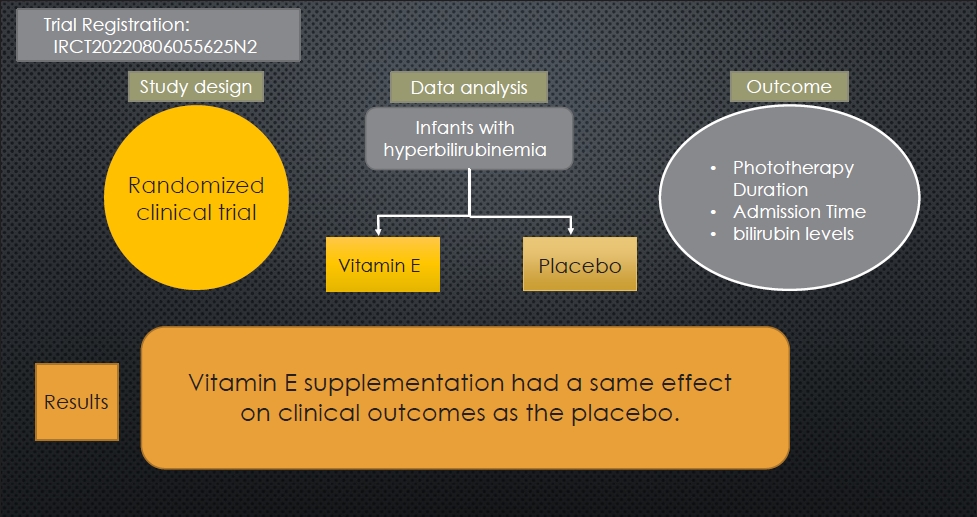
Question: Is vitamin E a viable therapeutic option for managing neonatal hyperbilirubinemia? Finding: This randomized clinical trial examined the effects of oral vitamin E supplementation on bilirubin reduction (primary outcome), phototherapy duration, and length of hospital stay (secondary outcome) in 138 infants. Meaning: Infants administered vitamin E versus placebo demonstrated similar reductions in bilirubin levels and length of hospital stay. |
|
|
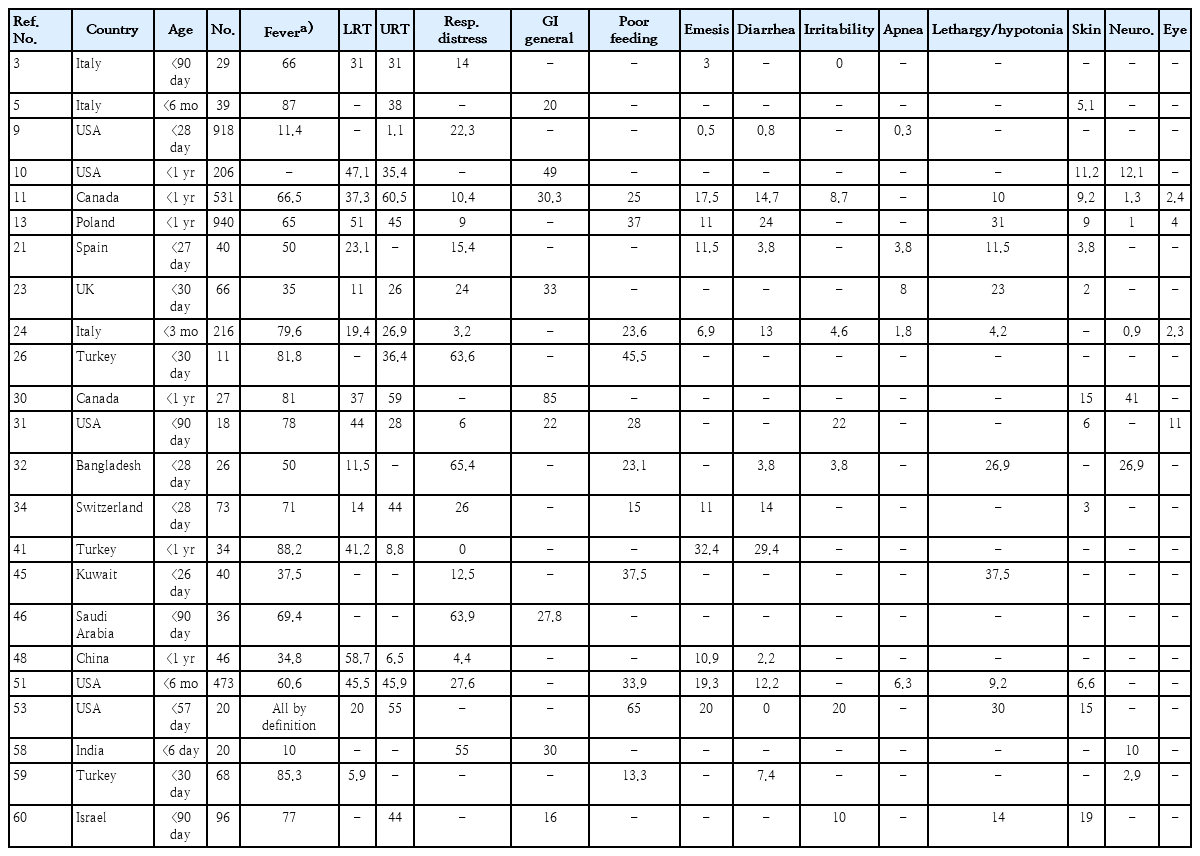
· Clinical studies of coronavirus disease 2019 (COVID-19) in infants should be supported by rigorous laboratory diagnostic criteria. · Severe acute respiratory syndrome coronavirus 2 (SARS-CoV-2) spreads to infants similarly to other viral respiratory infections. · Among infants ≤1 year of age beyond the immediate postpartum period, COVID-19 is relatively mild, but even the low risk of severe disease requires prevention. · Comorbidities increase infection vulnerability and complications in infants. · Clinical and laboratory data do not sufficiently distinguish COVID-19 from other respiratory viral infections. · Coinfection with SARS-CoV-2 is uncommon among infants. · Unique infection sequelae, including multi-inflammatory syndrome in children and neonates and long COVID require further study and refinement of diagnostic criteria. · Infection control standards applied to mother-infant dyads should be tempered by standard preventive strategies, maternal input, accommodation potential, and overall safety. · Maternal vaccination prevents disease in early infancy. |
|
|
· The infant gut microbiome is highly dynamic and individualized. · Microbes are vertically transmitted from mother to infant during delivery and throughout infancy. · Delivery mode, gestational age, diet, and antibiotic use influence infant microbiome composition and function. · In animal studies, the microbiome played critical roles in the structural and functional development of the infant gastrointestinal and immune systems. · Microbiome-targeted therapies have great potential to reduce infant morbidity and mortality. |
|
|
In neonatal resuscitation: · Laryngeal masks are recommended when endotracheal intubation or positive-pressure ventilation fails. · Laryngeal masks are useful even during chest compressions. · Laryngeal masks aid neonates >34 weeks’ gestation and/or with a birth weight >2 kg. · Main usage barriers include limited experience (81%), preference for endotracheal tubes (57%), and lack of awareness (56%). · Second-generation laryngeal masks have a built-in esophageal drainage tube that prevents regurgitation into the glottis, and an orogastric tube can be inserted within the esophageal drainage tube to protect against gastric inflation. |
|
|
· Concrete evidence exists of early parent-infant attachment supported by family-centered care (FCC) in the neonatal intensive care unit. · FCC involves the parents’ presence and participation in the infant’s care and decision-making. · A private and comfortable space should be provided. A single-family room is ideal; however, a quiet space with a recliner can be a good alternative. · Care culture changes and staff training are required. |
|
|
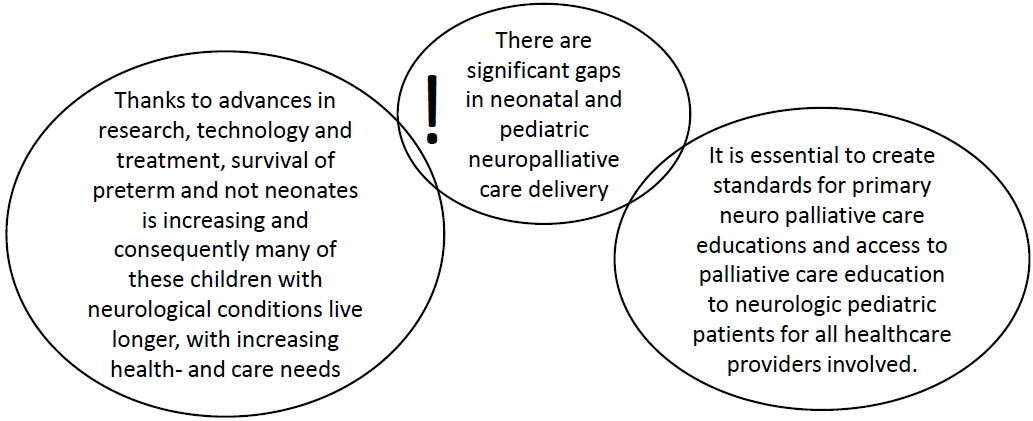
Question: What are the current palliative care protocols, palliative course, and implementable palliative care programs for hospitalized pediatric patients with neurological diseases in Italy? Finding: We studied 34 newborns with nervous system diseases, all of whom had a poor prognosis. Meaning: Despite current legislation in Italy, no palliative care network has been implemented. Given the vast number of patients with neurological conditions, standardized palliative care guidelines and protocols are required. |
|
|
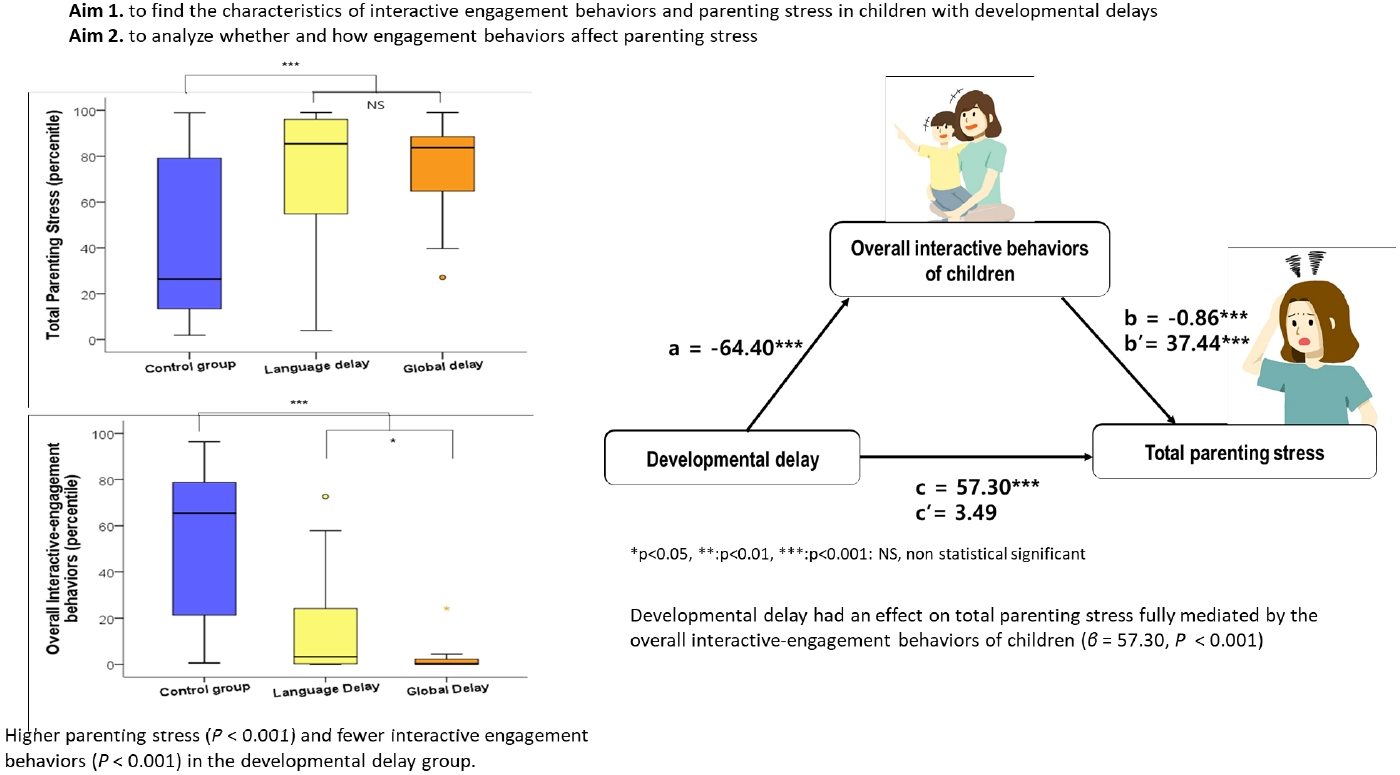
· Question: What level of parenting stress is experienced by parents of children with developmental delays (DDs) without autism spectrum disorder, and what factors contribute to it? · Findings: Parents of children with DDs experienced high parenting stress that were significantly mediated by their children’s low interactive behaviors. · Meaning: The interactive behaviors of children with DDs mediate parenting stress. |
Clinical and Experimental Pediatrics is an open access journal. All articles are distributed under the terms of the Creative Commons Attribution NonCommercial License (http://creativecommons.org/licenses/by-nc/4.0/)
Copyright © 2026 by Korean Pediatric Society.