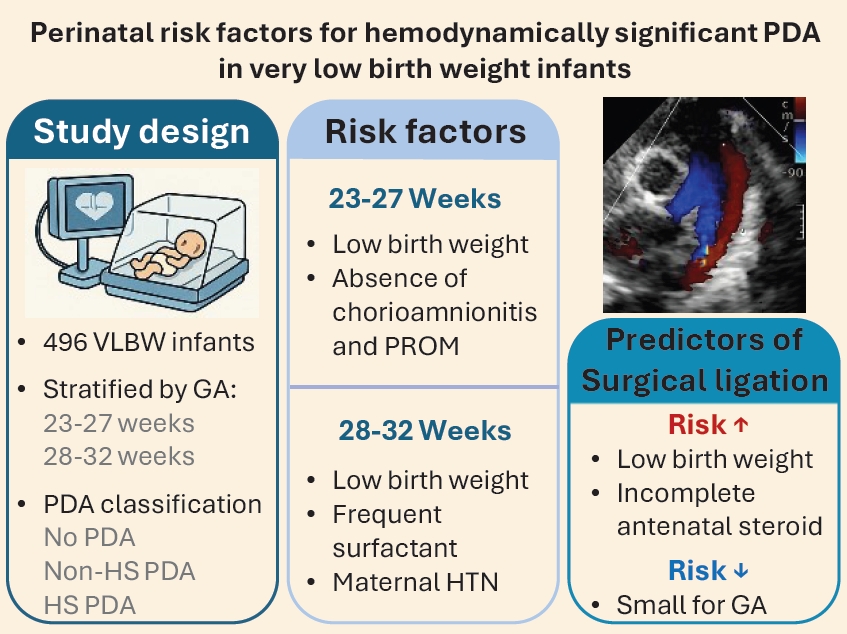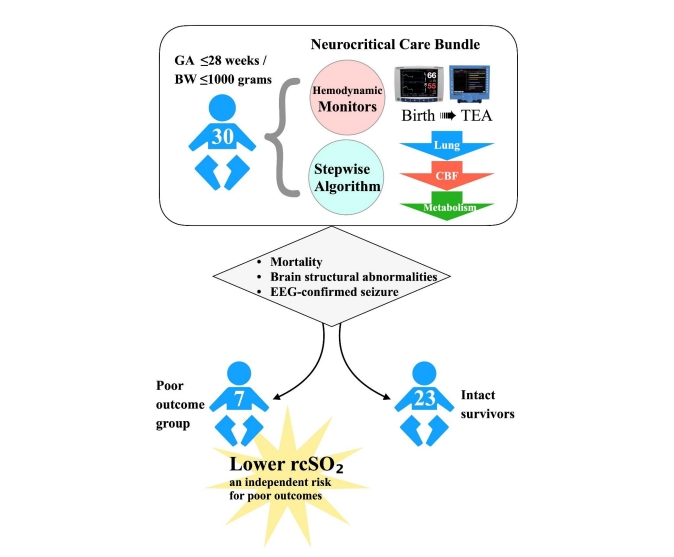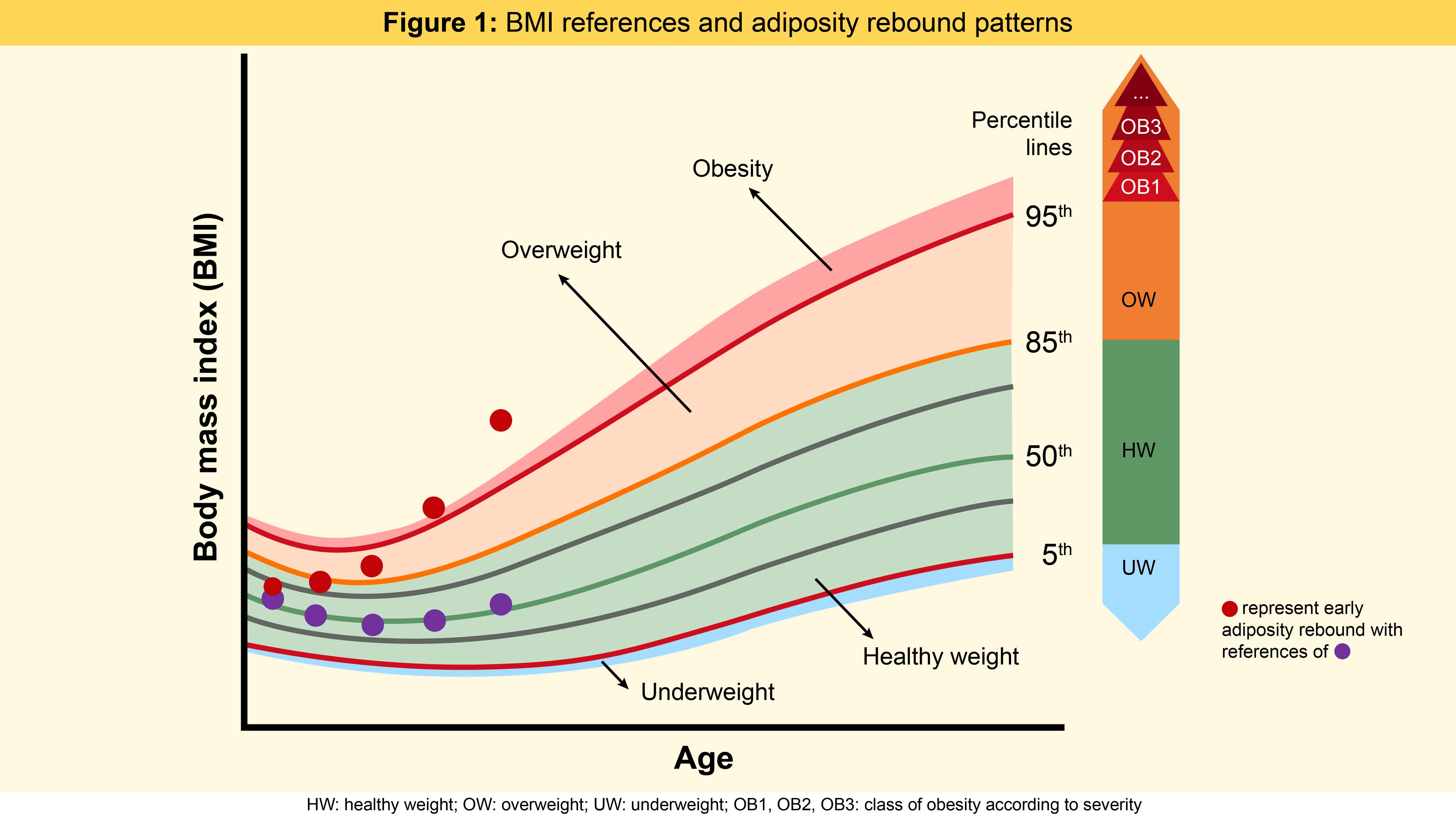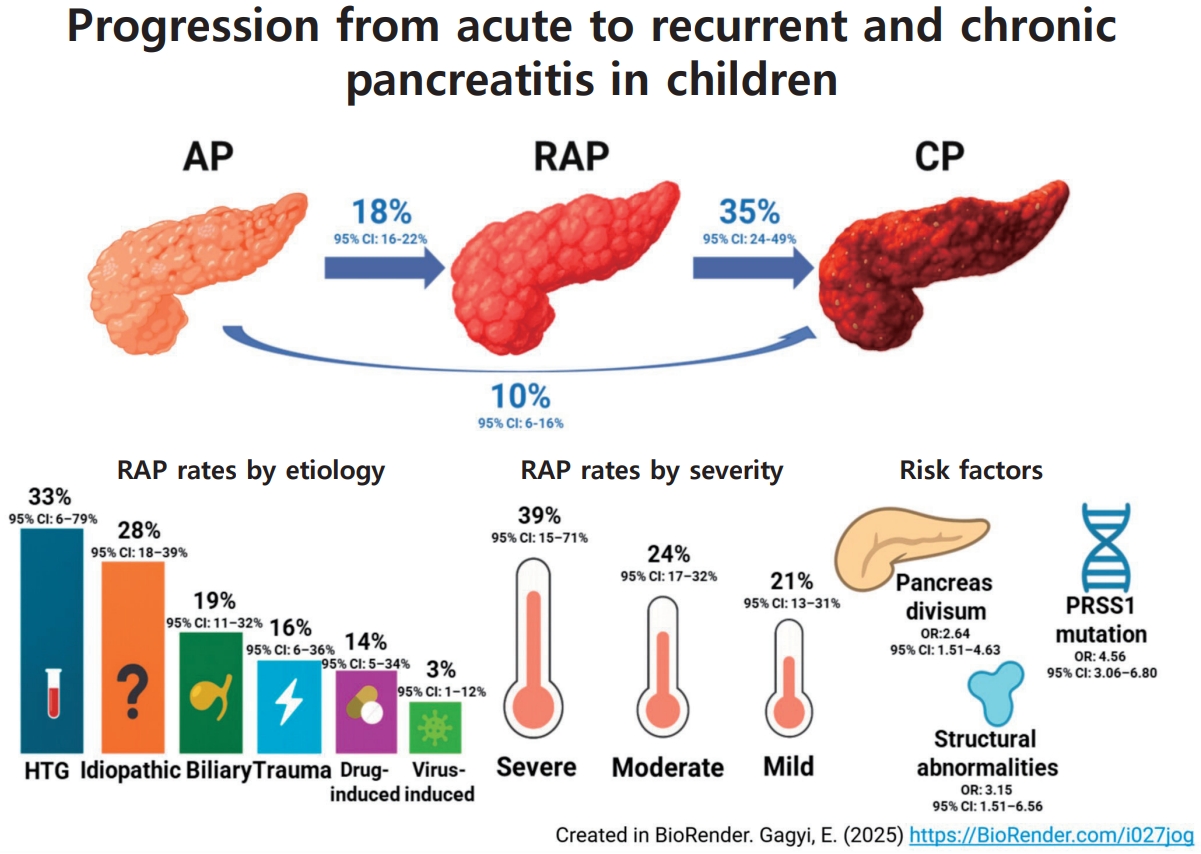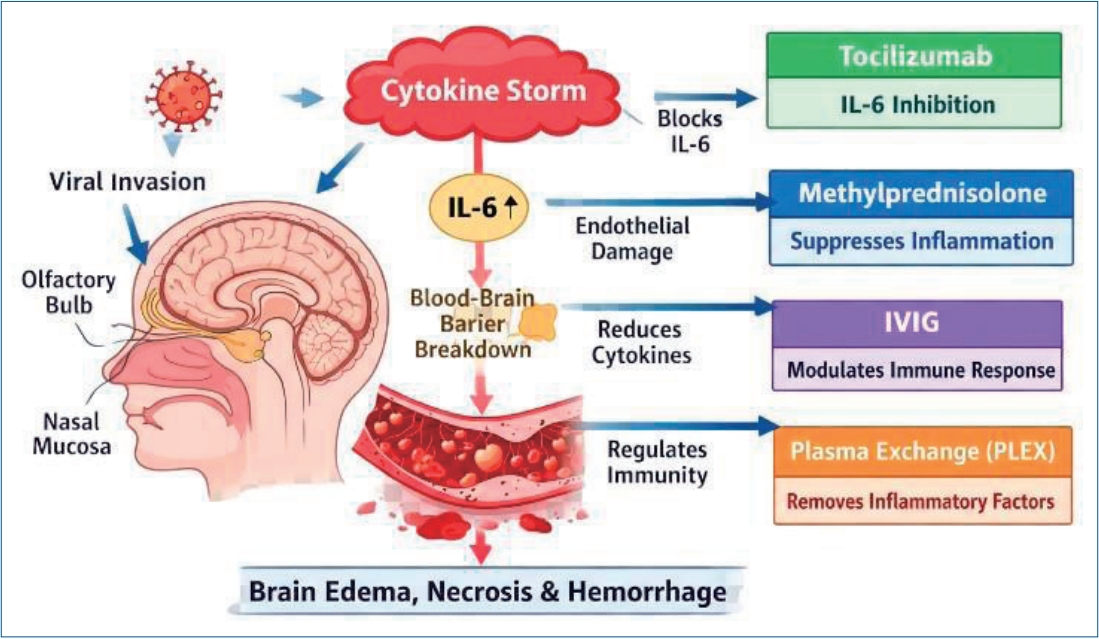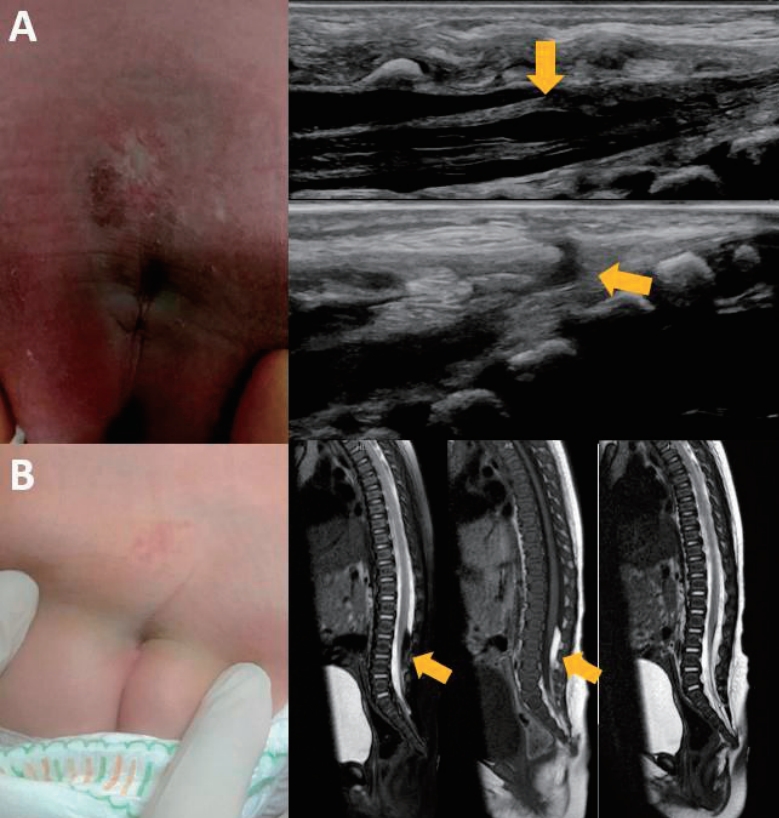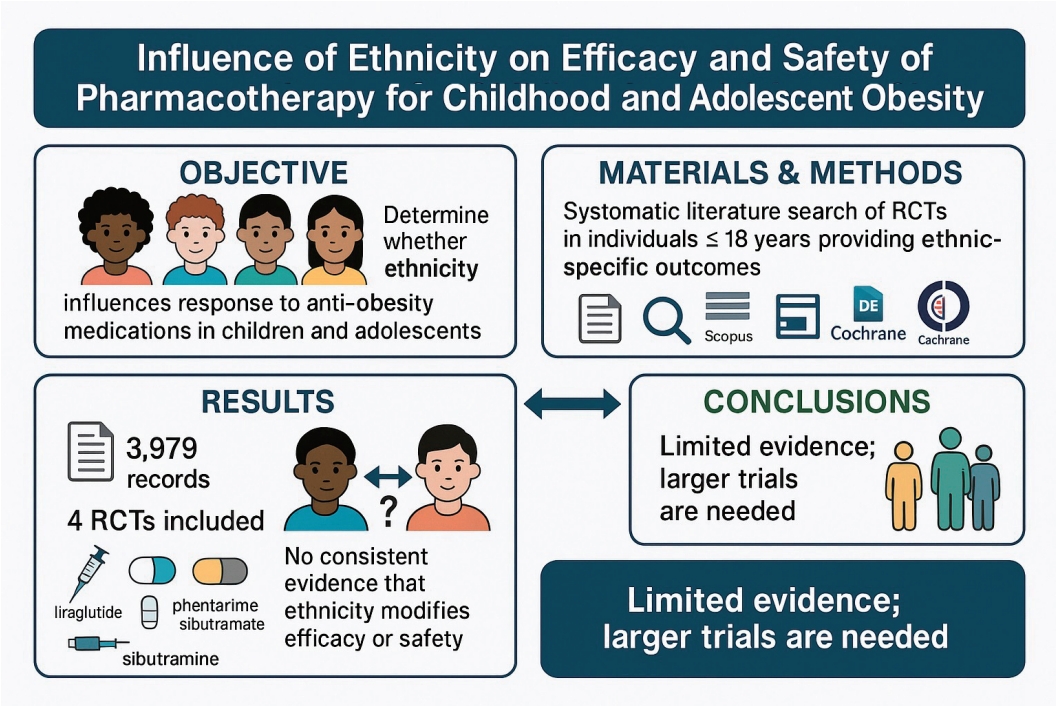
| Rickets should be recognized as a significant public health concern during infancy and childhood. Recent studies from Taiwan have demonstrated a steady increase in the prevalence of nutritional rickets, and a similar trend is likely to emerge in Korea. Therefore, comprehensive clinical evaluation and appropriate biochemical assessment are essential to prevent long-term skeletal and systemic complications. Prompt diagnosis and timely initiation of appropriate treatment are crucial. |
|
|
· Neonatal ichthyosis-sclerosing cholangitis (NISCH) syndrome is a rare autosomal recessive disorder characterized by cholestasis and manifestations such as generalized ichthyosis, alopecia, and dental anomalies. · The clinical features of NISCH syndrome are distinct and necessitate an early genetic diagnosis. · The disease phenotype can vary significantly, ranging from no liver involvement and transient neonatal cholestasis to end-stage liver disease. · Management requires a multidisciplinary approach with long-term follow-up. |
|
|
The prevalence of autism is increasing worldwide. The United States has the highest numbers, likely due to the availability of better treatment options. However, global disparities exist, especially in low-resource settings in which stigma, underdiagnosis, and limited services hinder care. A coordinated international approach emphasizing early screening, inclusive policies, and culturally sensitive support systems can bridge this gap and improve the outcomes for children with autism and their families worldwide. |
|
|
Continuous glucose monitoring (CGM) has transformed pediatric type 1 diabetes care by facilitating tighter glycemic control, reducing hypoglycemia, and improving quality of life. Recent advances in CGM technology and the expansion of insurance coverage in Korea have led to its broader adoption. Emerging metrics such as time in tight range offer refined tools for individualized glycemic assessment, highlighting CGM’s evolving role in personalized pediatric diabetes management. |
|
|
The prevalence of attention-deficit/hyperactivity disorder, conduct disorder, and other related behavioral problems is increasing among children, likely due to less interaction with their parents and the real world and more time spent on screens, on social media, and in the virtual world. This article highlights several simple, basic parenting principles to facilitate the growth of healthy, resilient minds and combat the symptoms of opposition, hyperactivity, and distractibility. |
|
|
Question: What are the roles of thyroid hormones and endothelin in South Indian children with asthma? Finding: Thyroid hormone and endothelin levels were significantly elevated in South Indian children with asthma; poorly controlled cases exhibited the highest levels. Elevated thyroid-stimulating hormone and endothelin levels were correlated with asthma severity. Meaning: Serum endothelin is a potential surrogate marker for asthma severity that could aid the assessment and management of childhood asthma. |
|
|
Question: What are the biochemical and clinical correlates of hyperhomocysteinemia in pediatric β-thalassemia, and how does it relate to vitamin status, oxidative stress, and splenectomy? Finding: Most pediatric β-thalassemia patients exhibited severe hyperhomocysteinemia, which was strongly associated with folate and B12 deficiencies and influenced oxidative stress patterns, particularly in splenectomized individuals. Meaning: These findings suggest that routine monitoring and correction of B-vitamin deficiencies may mitigate hyperhomocysteinemia-related risks in pediatric thalassemia. |
|
|
Question: Is there an association between adenosine deaminase (ADA) G22A and interleukin-1 receptor antagonist (IL-1RN) genetic polymorphisms and pediatric metabolic dysfunction-associated fatty liver disease (MAFLD)? Finding: The GG genotype and G allele of ADA G22A were significantly associated with obesity but not pediatric MAFLD, while the *1/*2 genotype of the IL-1RN gene was significantly associated with obesity and pediatric MAFLD. Meaning: The IL-1RN gene may contribute to pediatric MAFLD. |
|
|
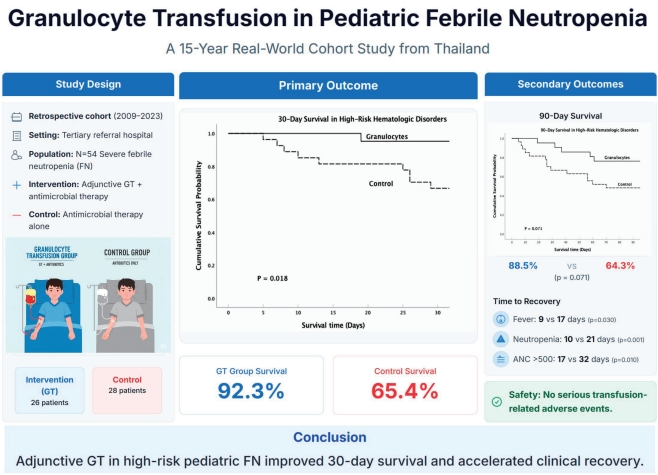
Question: Can neutrophil elastase (NE) levels predict infection— the primary cause of mortality—among children with hematological malignancies and febrile neutropenia (FN)? Finding: Elevated levels of NE were found in children with chemotherapy-induced FN and a bacterial infection. Meaning: Increased NE levels and prolonged FN are important factors associated with mortality risk. |
|
|
Question: Does high-protein enteral nutrition better increase the average nitrogen balance (NB) and decrease the intestinal fatty acid-binding protein (I-FABP) level of critically ill postoperative children than standard-protein enteral nutrition? Finding: The study demonstrated a significant increase in average NB but no significant decrease in I-FABP levels in the high- versus low-protein group. Meaning: These findings suggest that high-protein enteral nutrition can improve NB in critically ill postoperative children, thereby supporting their recovery. |
|
|
Question: Why is the early detection of Helicobacter pylori-associated gastritis in children important? Finding: The early detection of H. pylori-related gastritis is crucial for its effective management, especially in pediatric patients with dyspepsia. Meaning: The use of miRNA signatures could detect early gastritis, enabling timely H. pylori eradication treatment to mitigate growth delays and cancer risk. |
|
|
Question: What are the recent trends and determinants of breastfeeding in South Korea? Finding: Breastfeeding rates in South Korea declined significantly from 2007 to 2021, with lower rates observed in preterm, low-birthweight, and multiple-birth infants as well as rural or lower-income households. Meaning: Targeted interventions, including prenatal education, postnatal support, and community-based programs, are required to address disparities and improve breastfeeding rates. |
|
|
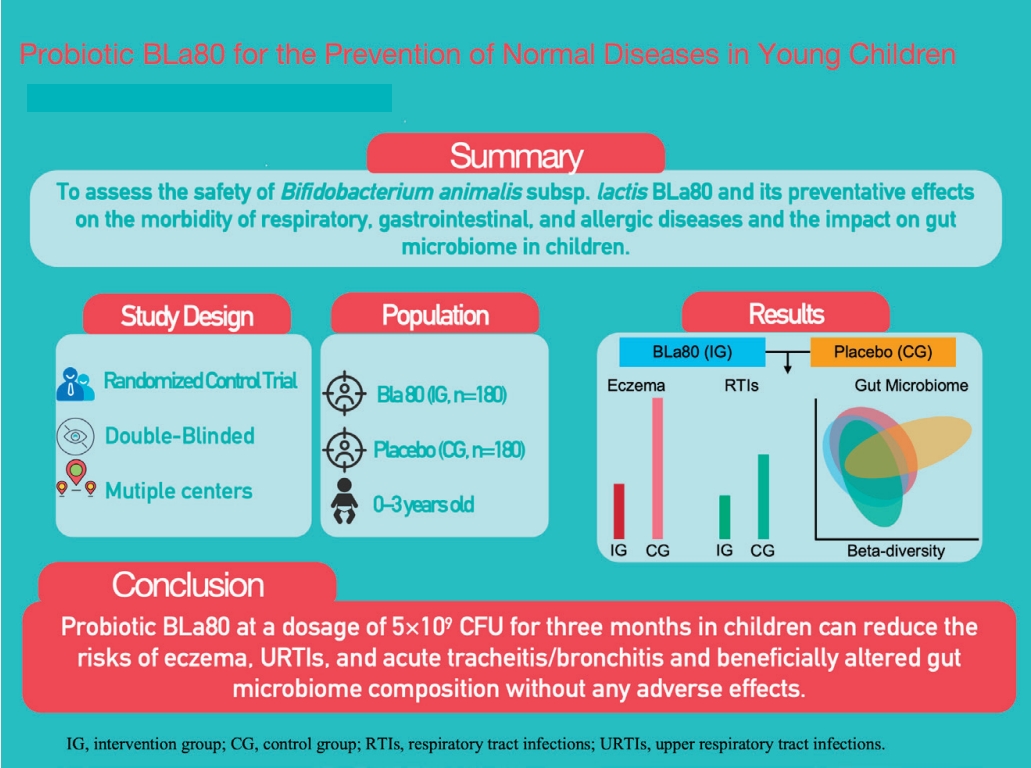
Question: Can probiotics BB/LA reverse gut dysbiosis in preterm neonates? Finding: BB/LA supplementation induced more diverse beta diversity and increased relative abundances of Bifidobacterium, Lactobacillus and decreased relative abundance Clostridium. Meaning: Early BB/LA supplementation could reverse gut dysbiosis in preterm neonates. |
|
|
· A safe and accessible source of somatic cell generating induced pluripotent stem cells (iPSCs) in pediatric neurogenic disorders · A noninvasive and simple method for isolating urine cells, which can effectively reprogram into pluripotent stem cells using episomal vectors · Establishing a urine-derived iPSC bank as a reliable and scalable resource for disease modeling, therapeutic testing, and personalized medicine in pediatric neurogenic disorders. |
|
|
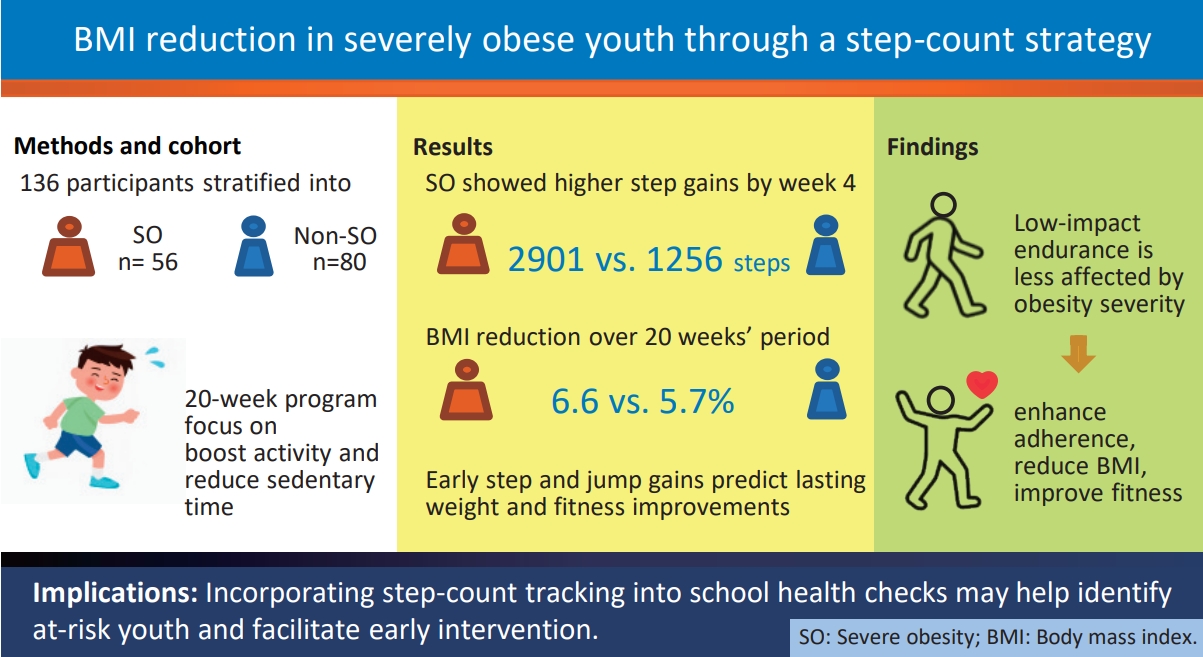
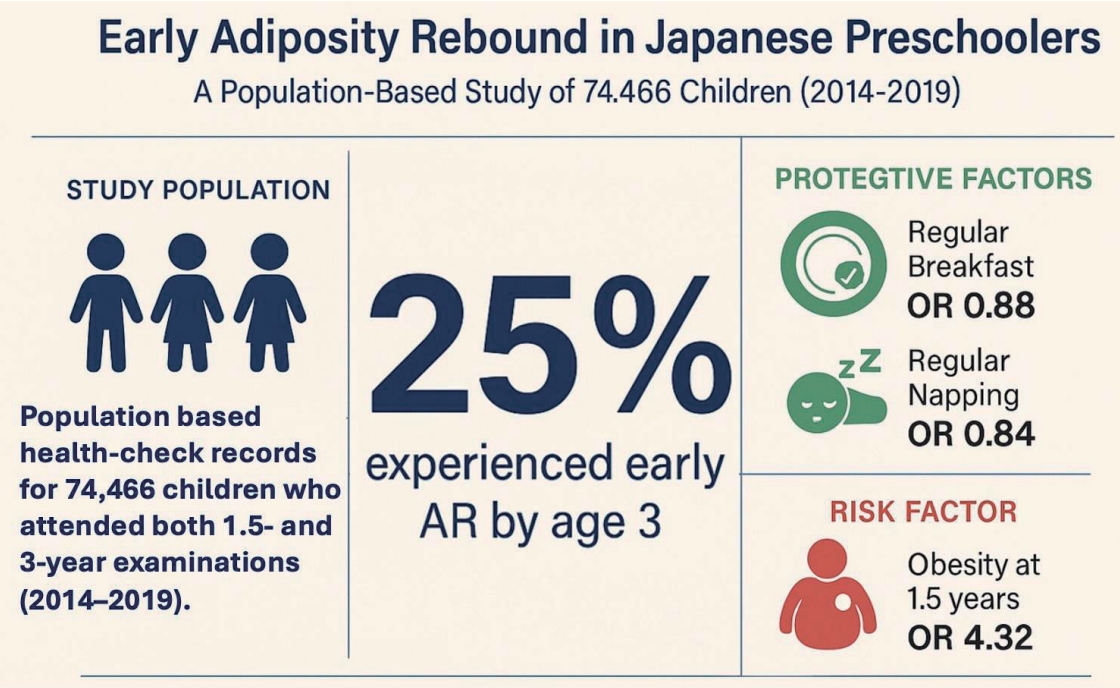
Excessive screen time in children is linked to obesity, overweight, sedentary behavior, depression and mood disorders, myopia, behavioral changes, sleep disturbances, attention deficit hyperactivity disorder, among others. Polymorphisms in genes like FTO, CACNA1D, and DRD2 could further increase these risks. Implementing strategies such as limiting screen use, creating screen-free zones, and monitoring content is essential to mitigate adverse physical and mental health effects in the pediatric population. |
|
|
To prevent respiratory syncytial virus (RSV)-associated lower respiratory tract infections, a single dose of nirsevimab, a long-acting monoclonal antibody, is recommended for all neonates born during the RSV season (October to March) and all infants younger than 6 months old at the start of the RSV season. Nirsevimab should be administered shortly after birth to neonates and just before or early in the season to infants entering their first RSV season. |
|
|
Question: What are the key challenges affecting pediatric cardiologists and cardiac surgeons in Korea? Finding: Excessive workloads, low procedural volumes, and legal risks contribute to high burnout. Regional disparities limit skill maintenance and threaten workforce sustainability. Meaning: Targeted policies ensuring fair workloads, legal protections, and regional support are essential to stabilizing the pediatric cardiac workforce and maintaining high-quality care. |
|
|
Question: Does treating iron deficiency (ID) using intravenous iron in pediatric inflammatory bowel disease (IBD) feature long-term safety and efficacy? Finding: Intravenous iron supplementation was safe and effective. However, the ID recurrence rate was higher than expected. Meaning: Proactive screening and treatment of ID in pediatric IBD are essential. The Ganzoni formula likely underestimates the iron requirements of pediatric patients. Prospective trials are needed to optimize iron treatment dosing. |
|
|
Question: Does consolidative allogeneic stem cell transplantation (allo-SCT) after chimeric antigen receptor (CAR) T-cell therapy improve outcomes of children and young adult patients with relapsed/refractory hematologic malignancies? Finding: The meta-analysis showed reduced relapse rates and favorable survival trends with allo-SCT despite low evidence quality. Meaning: Consolidative allo-SCT after CAR T-cell therapy may enhance survival; however, further clinical studies are needed. |
|
|
Question: What pharmacological strategies can limit ischemia-reperfusion injury in pediatric patients with testicular torsion? Finding: In a rat model of testicular torsion, linezolid reduced oxidative stress, inflammation, and tissue injury via the Toll-like receptor 4/mitogen-activated protein kinase/nuclear factor kappa beta pathway. Meaning: Linezolid may offer a pharmacological approach to attenuate testicular damage in pediatric patients with testicular torsion, warranting further clinical investigation. |
|
|
This study assessed the effects of vitamin C on children with community-acquired pneumonia (CAP). Vitamin C supplementation improved clinical symptoms within 48–72 hours compared to placebo but did not reduce the length of hospital stay (LOS). These findings suggest that vitamin C is beneficial for managing CAP severity, but does not affect LOS. |
|
|
Question: Do macrophage migration-inhibitory factor (MIF) and growth differentiation factor-15 (GDF-15) levels and their gene polymorphisms affect RDS among preterm babies? Finding: Significantly higher serum MIF and GDF-15 levels were observed in patients with severe respiratory distress syndrome (RDS). The mutant G- and C-alleles of GDF-15 rs4808793 C>G single nucleotide polymorphism (SNP) and MIF rs755622 G>C SNP were present at significantly higher frequencies in preterm neonates with RDS. Meaning: MIF and GDF-15 play a significant role in neonatal RDS and its severity. |
|
|
Question: Vasovagal syncope (VVS) and postural orthostatic tachycardia syndrome (POTS) are representative forms of neurally mediated syncope. What influences the occurrence of each? Finding: Autonomic function test results did not differ, but cerebral blood flow during diastole on transcranial doppler differed between VVS and POTS. Meaning: Differences in diastolic cerebral blood flow velocity play an important role in VVS and POTS. |
|
|
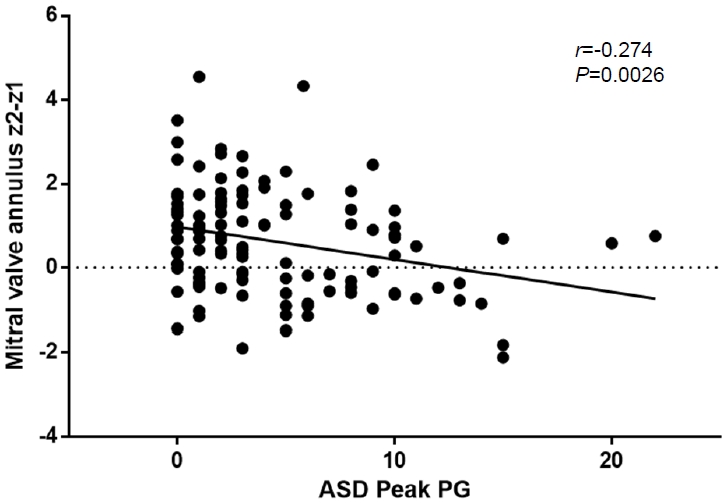
Question: Are pediatric patients with heart disease who are receiving diuretics at risk of thiamin deficiency (TD)? Finding: Fifteen percent of the patients had TD. TD was associated with inadequate dietary thiamin intake and increasing age. Meaning: The thiamin pyrophosphate effect should be assessed in those with high risk of TD. Dietary counseling should be emphasized to ensure adequate dietary thiamin intake. |
|
|
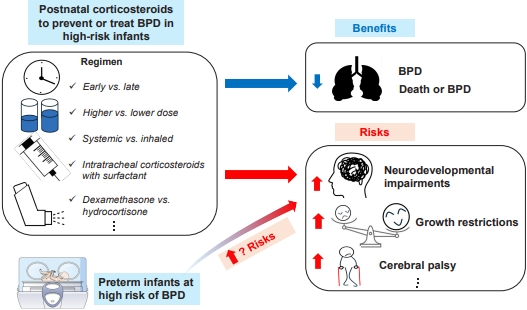
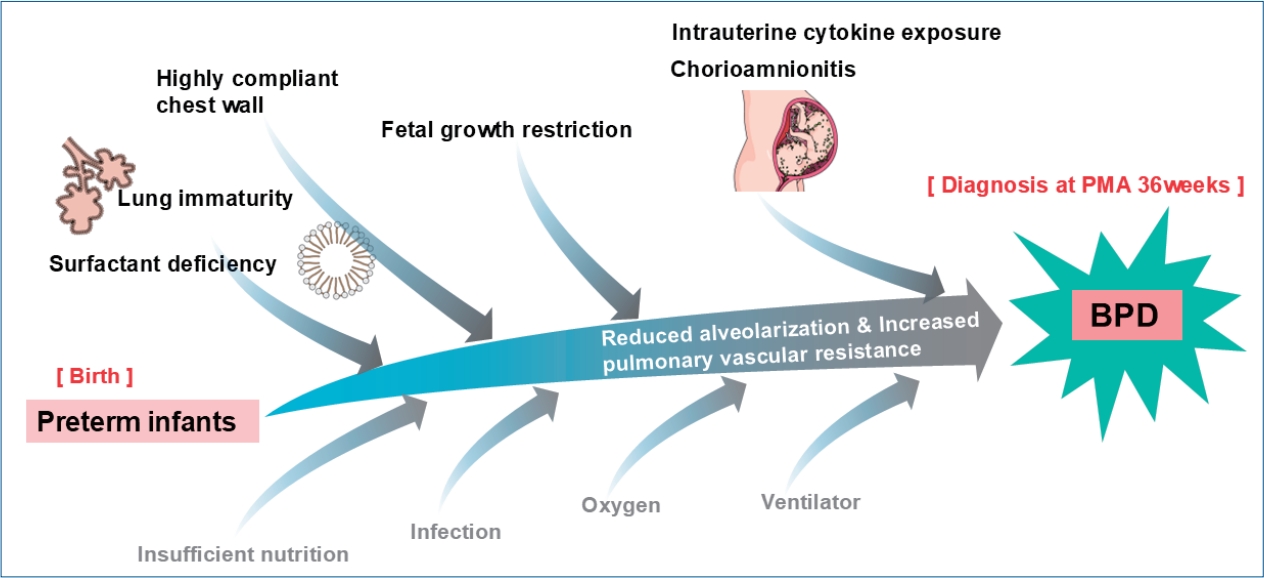
Question: Does a respiratory severity score (RSS)-guided postnatal corticosteroid protocol improve respiratory outcomes of extremely preterm (EP) infants without worsening neurodevelopmental outcomes? Finding: The protocol enabled targeted and early steroid use, thereby reducing severe bronchopulmonary dysplasia without affecting mortality or causing neurodevelopmental impairments. Meaning: The RSS-guided protocol may offer a more precise and individualized postnatal corticosteroid therapy for EP infants. |
|
|
· Artificial intelligence (AI) holds transformative potential for pediatric healthcare, with applications spanning prevention, diagnosis, treatment, and follow-up across diverse subspecialties; however, ethical concerns, scarcity of pediatric- specific data, and limited funding remain significant challenges. · International consensus on pediatric AI guidelines, expanding child-specific datasets, and incorporating explainable AI are essential to ensure safety and trust. · Multicenter collaboration and increased investment can address these gaps, enabling equitable, reliable, and pediatric- centered AI solutions. |
|
|
Artificial intelligence (AI) offers potential benefits in pediatric care, but its real-world adoption requires clinician literacy, ethical and legal safeguards, and cautious implementation. Large language models are emerging across healthcare, but their use in pediatric clinical practice remains premature. Thus, the cautious and accountable implementation of AI is crucial to preventing unintended harm and realizing its potential. |
|
|
Universal newborn screening for severe combined immunodeficiency (SCID) demonstrates robust cost-effectiveness across diverse high-income healthcare systems, both from healthcare and societal standpoints. Early detection yields substantial savings. While uncertainties persist, impacting precise cost-effectiveness, the overall finding is positive. Future research must prioritize enhanced data collection and statistical rigor to refine our understanding of SCID's economic impact within the Australian context. |
Clinical and Experimental Pediatrics is an open access journal. All articles are distributed under the terms of the Creative Commons Attribution NonCommercial License (http://creativecommons.org/licenses/by-nc/4.0/)
Copyright © 2026 by Korean Pediatric Society.