Most cited
- Page Path
-
- HOME
- BROWSE ARTICLES
- Most cited
Most-cited articles are from the articles published during the last two years (2024 ~ ).
- Original Article
- Nutrition
- Factors associated with thiamin deficiency in pediatric patients with heart disease and receiving diuretics: a single-center study
-
Phakwan Laohathai, Rathaporn Sumboonnanonda, Puthita Saengpanit, Chodchanok Vijarnsorn, Chatchawan Srisawat, Kwanjai Chotipanang, Sarawut Junnu, Supawan Kunnangja, Hathaichanok Rukprayoon, Phakkanan Phuangphan, Sompong Liammongkolkul, Arthima Phaokong, Narumon Densupsoontorn
-
Clin Exp Pediatr. 2025;68(9):666-672. Published online April 16, 2025
-

|
Question: Are pediatric patients with heart disease who are receiving diuretics at risk of thiamin deficiency (TD)?
Finding: Fifteen percent of the patients had TD. TD was associated with inadequate dietary thiamin intake and increasing age.
Meaning: The thiamin pyrophosphate effect should be assessed in those with high risk of TD. Dietary counseling should be emphasized to ensure adequate dietary thiamin intake. |
-
-
- Neonatology (Perinatology)
- Respiratory severity score-guided postnatal systemic corticosteroid therapy for bronchopulmonary dysplasia in extremely preterm infants
-
Gyeong Eun Yeom, Ju Sun Heo, Baek Sup Shin, Seh Hyun Kim, Seung Han Shin, Ee-Kyung Kim, Han-Suk Kim
-
Clin Exp Pediatr. 2025;68(9):656-665. Published online July 8, 2025
-

|
Question: Does a respiratory severity score (RSS)-guided postnatal corticosteroid protocol improve respiratory outcomes of extremely preterm (EP) infants without worsening neurodevelopmental outcomes?
Finding: The protocol enabled targeted and early steroid use, thereby reducing severe bronchopulmonary dysplasia without affecting mortality or causing neurodevelopmental impairments.
Meaning: The RSS-guided protocol may offer a more precise and individualized postnatal corticosteroid therapy for EP infants. |
-
-
- Clinical Note
- Genetics and Metabolism
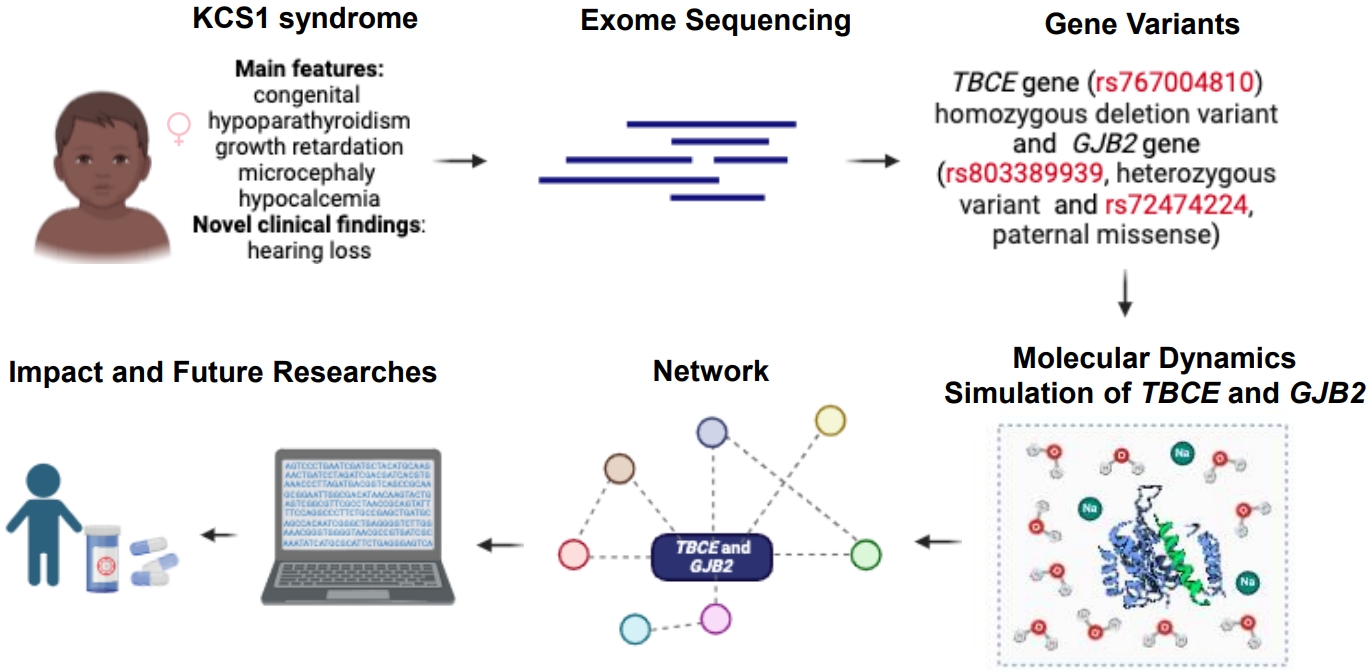
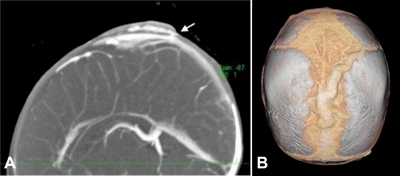
- Expanding genotype-phenotype correlation of Kenny-Caffey syndrome type 1
-
Manuela Lo Bianco, Federica Sipala, Xena Giada Pappalardo, Gaia Fusto, Roberta Rizzo, Federico Favata, Carla Cimino, Silvia Marino, Martino Ruggieri, Agnese Suppiej, Simone Ronsisvalle, Raffaele Falsaperla
-
Clin Exp Pediatr. 2025;68(8):616-619. Published online May 12, 2025
-
-
-
- Original Article
- Pulmonology
- Clinical course of children with postinfectious bronchiolitis obliterans with versus without comorbid bronchopulmonary dysplasia
-
Lamia Medghoul, Julien Grosjean, Christophe Marguet, Hortense Petat
-
Clin Exp Pediatr. 2025;68(7):497-502. Published online April 1, 2025
-

|
Question: Postinfectious bronchiolitis obliterans (PIBO) is a chronic respiratory disease that typically develops in children after a severe respiratory infection. Bronchopulmonary dysplasia (BPD) is often comorbid in patients with PIBO.
Finding: Corticosteroid pulse therapy effectively manages PIBO with or without comorbid BPD, significantly reducing exacerbations and decreasing the daily requirement for inhaled corticosteroids.
Meaning: Therapeutic effects of corticosteroid pulses are rapid and sustained over time, in both groups. |
-
-
- Editorial
- Neonatology (Perinatology)
- Intermittent sigh breaths during high-frequency oscillatory ventilation among newborn infants
-
Ga Won Jeon
-
Clin Exp Pediatr. 2025;68(7):486-488. Published online April 16, 2025
-

|
Intermittent sigh breaths during high-frequency oscillatory ventilation can improve ventilation and oxygenation by enhancing lung recruitment. Although research on this approach in newborn infants is limited, some published studies suggest that sigh breaths are generally applied at a rate of 2–3 breaths/min with an inspiratory time of 0.5–1 second and pressure of current mean airway pressure + 5 cmH2O (maximum, 30 cmH2O). |
-
-
- Original Article
- Oncology
- Prognostic role of mid-regional pro-adrenomedullin in predicting infection in pediatric cancer with febrile neutropenia
-
Seham M. Ragab, Sara Mahmoud El-Deeb, Ahmed Saeed, Asmaa A. Mahmoud
-
Clin Exp Pediatr. 2025;68(6):445-453. Published online January 13, 2025
-

|
· Infection remains a leading cause of death in febrile neutropenia (FN).
· Mid-regional pro-adrenomedullin (MR-ProADM) levels are higher among patients with FN and a bacterial infection.
· A longer FN duration and hospital stay length as well as elevated C-reactive protein, procalcitonin, and MR-ProADM levels are significant risk factors for mortality. |
-
-
- Review Article
- Neurology
- Cerebral organoid research for pediatric patients with neurological disorders
-
Jin Eun, Jung Eun Lee, Seung Ho Yang
-
Clin Exp Pediatr. 2025;68(4):269-277. Published online November 28, 2024
-

|
Cerebral organoids obtained from human induced pluripotent stem cells are transforming the study of pediatric neurological diseases by providing more accurate models of human brain development and pathology. These advancements have improved pathology modeling and the potential for novel therapeutic approaches despite existing challenges such as reproducibility and vascularization. |
-
-
- Original Article
- Nephrology (Genitourinary)
- C3 glomerulopathy in children: experience at a resource-limited center
-
Soumya Reddy, Abhishek Ghante, Mahesha Vankalakunti, Anil Vasudevan
-
Clin Exp Pediatr. 2025;68(4):311-318. Published online November 28, 2024
-

|
Question: What are the clinicopathological features and outcomes of pediatric C3 glomerulopathy (C3G) in resource-limited settings?
Finding: Children with C3G in resource-limited settings have significant morbidities, and most experience kidney sequelae despite treatment. Electron microscopy was performed in only 50% of our patients, while none received complement assays or genetic testing.
Meaning: Pediatric C3G presentation, management, and kidney outcomes vary. Its thorough evaluation and management are challenging in resource-limited settings. |
-
-
- Editorial
- Nutrition
- Zinc as a treatment modality for acute infectious diarrhea in children
-
Ji Sook Park
-
Clin Exp Pediatr. 2025;68(3):223-224. Published online October 31, 2024
-
|
|
· Prevention and management of dehydration is the major goal of treatment in acute infectious diarrhea in children.
· Zinc could be effective as an adjuvant therapy in reducing the duration of acute infectious diarrhea in malnourished children. |
-
-
- Editorial
- Allergy
- Effect of metabolic syndrome on pulmonary dysfunction in children with asthma
-
Hyo-Bin Kim
-
Clin Exp Pediatr. 2025;68(2):136-137. Published online November 13, 2024
-
|
|
· The prevalence of metabolic syndrome increased in Korean children during the coronavirus disease 2019 pandemic owing to reduced physical activity resulting from social distancing.
· Metabolic syndrome impacts pulmonary dysfunction in childhood asthma.
· Further studies are needed to understand the mechanism linking asthma and metabolic syndrome and develop interventions. |
-
-
- Original Article
- Gastroenterology
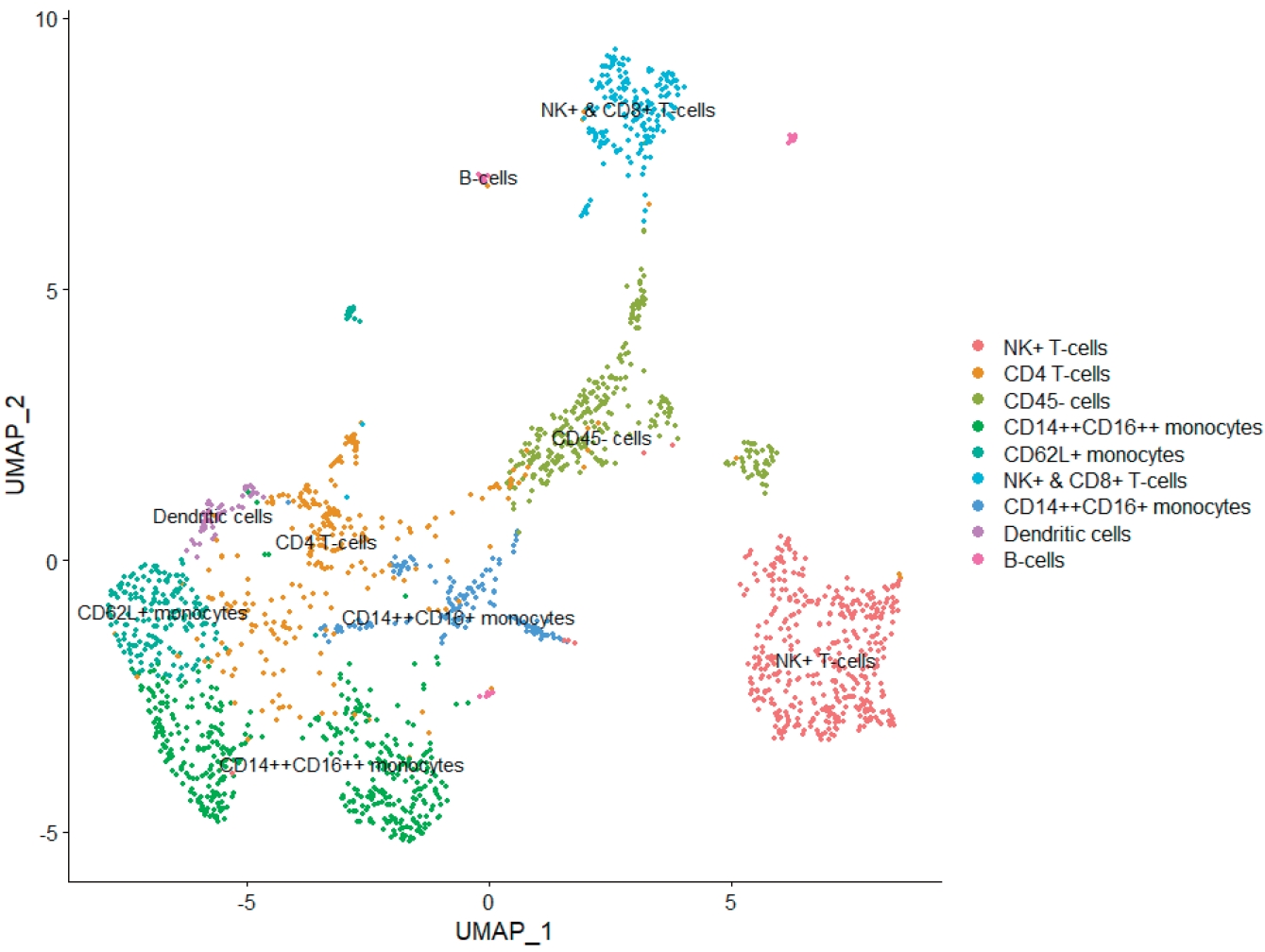
- Differences in immune cells and gene expression in human milk by parity on integrated scRNA sequencing
-
Dae Yong Yi, Hong-Jai Park, Min Sun Shin, Hyoungsu Kim, Sang Jin Lee, Insoo Kang
-
Clin Exp Pediatr. 2025;68(2):141-152. Published online January 10, 2025
-
|
Question: Is there a difference in immune cells in human breast milk by parity?
Finding: There were higher proportions of monocytes and T/B cells in the primiparous and multiparous group, respectively. The expression of genes with a direct role in the infant immune system and immune response-related genes were highest in the primiparous group
Meaning: There were parity-dependent differences in the expression of genes between innate and adaptive immune cells. |
-
-
- Oncology
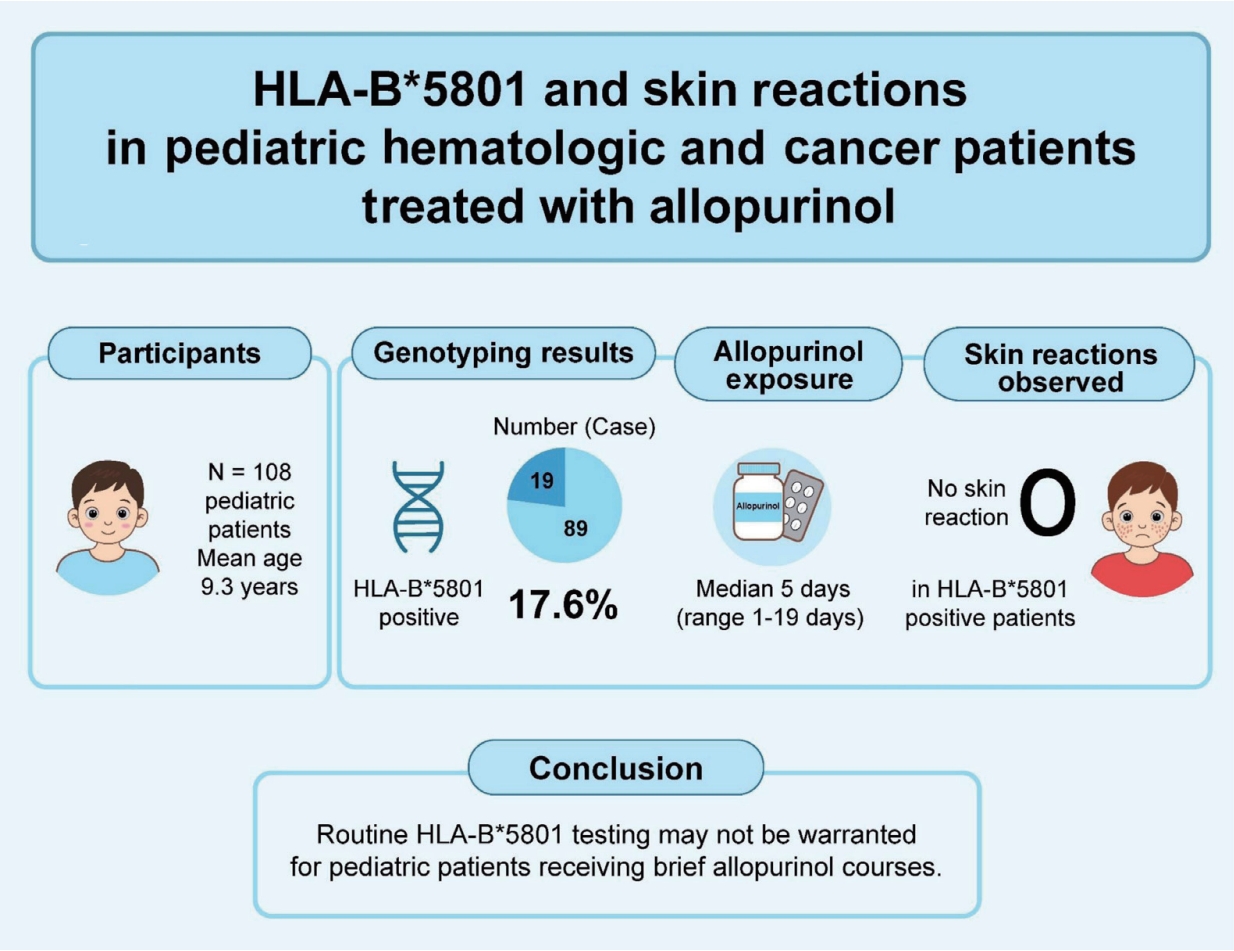
- HLA‒B*58:01 and skin reactions in pediatric hematology and oncology patients treated with allopurinol
-
Parisa Maneechai, Cholada Ratanatharathron, Jassada Buaboonam, Kleebsabai Sanpakit
-
Clin Exp Pediatr. 2025;68(12):974-980. Published online October 2, 2025
-
|
Question: Does human leukocyte antigen (HLA)–B*58:01 increase the risk of cutaneous reactions in pediatric patients with hematological and oncological diseases receiving allopurinol?
Finding: : Of 108 patients, 17.6% carried HLA–B*58:01 but none developed skin reactions. The only rash occurred in an HLA-B*58:01–negative patient.
Meaning: Short-duration allopurinol may mitigate severe cutaneous adverse reaction risk regardless of genotype. Routine HLA-B*58:01 screening may be unnecessary in pediatric patients with hematological and oncological diseases briefly receiving allopurinol. |
-
-
- Infection
- Association between vitamin D polymorphisms and binding protein and COVID-19 risk and severity in children
-
Victoria Giatraki, Helen Dimitriou, Georgia Martimianaki, Christos Tsatsanis, Emmanouil Galanakis, Chrysoula Perdikogianni
-
Clin Exp Pediatr. 2025;68(12):998-1006. Published online October 22, 2025
-
|
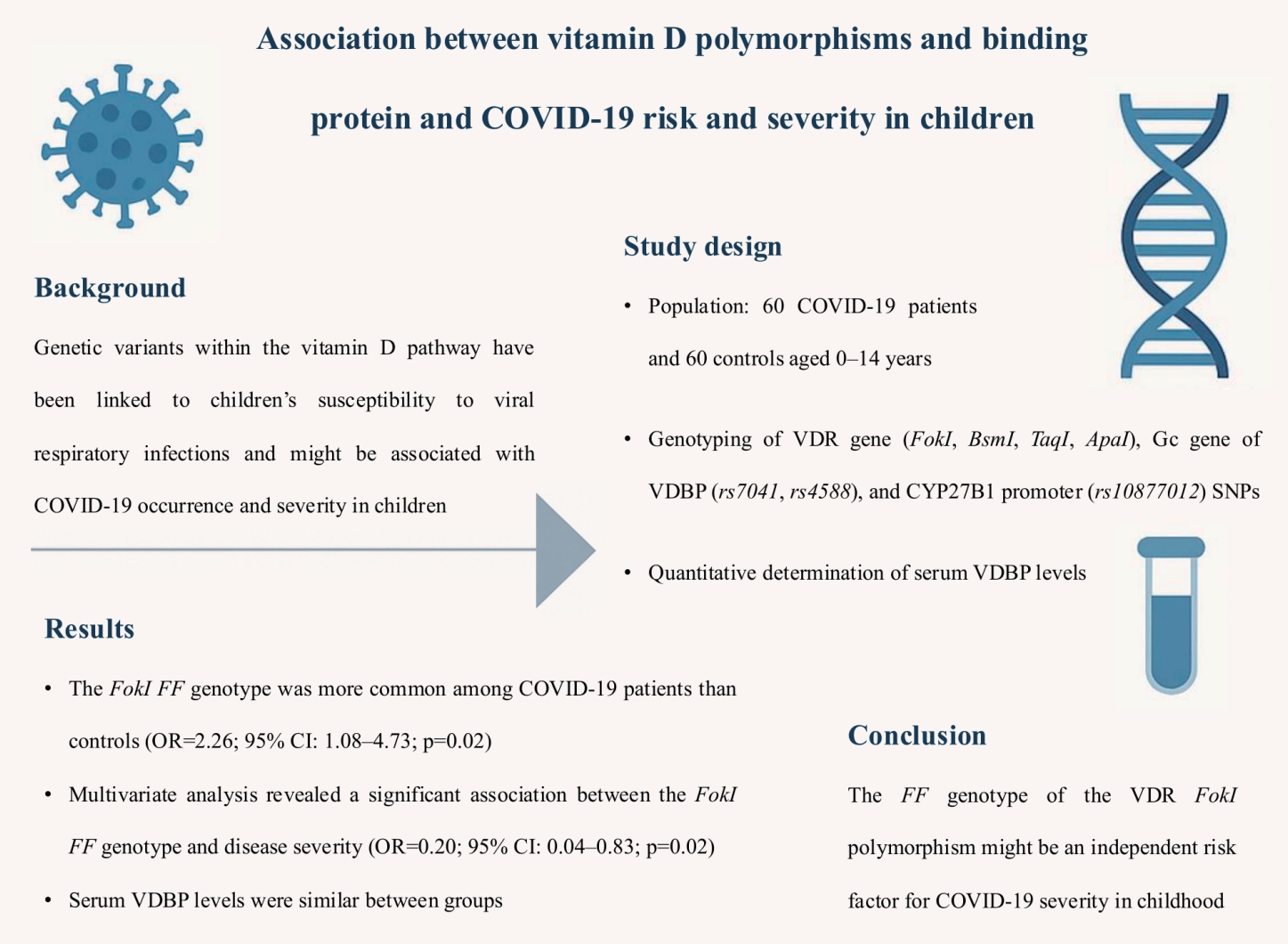
Question: Addressing crucial genetic variants within the vitamin D pathway and coronavirus disease 2019 (COVID-19) susceptibility, the vitamin D receptor, vitamin D binding protein, and CYP27B1-1260 polmorphisms might be associated with COVID-19 occurrence and severity in children.
Finding: The FokI FF genotype might be an independent risk factor for COVID-19 severity in childhood.
Meaning: This research may further elucidate genetic susceptibility to multisystem viral infections and establish genetic markers for severe clinical outcomes. |
-
-
- Review Article
- Oncology
- Breaking the barrier: a guidelines-based review of antiangiogenesis drug resistance in pediatric cancer therapy
-
Nader Shakibazad, Mahdi Shahriari, Mani Ramzi
-
Clin Exp Pediatr. 2025;68(12):952-962. Published online November 24, 2025
-
|
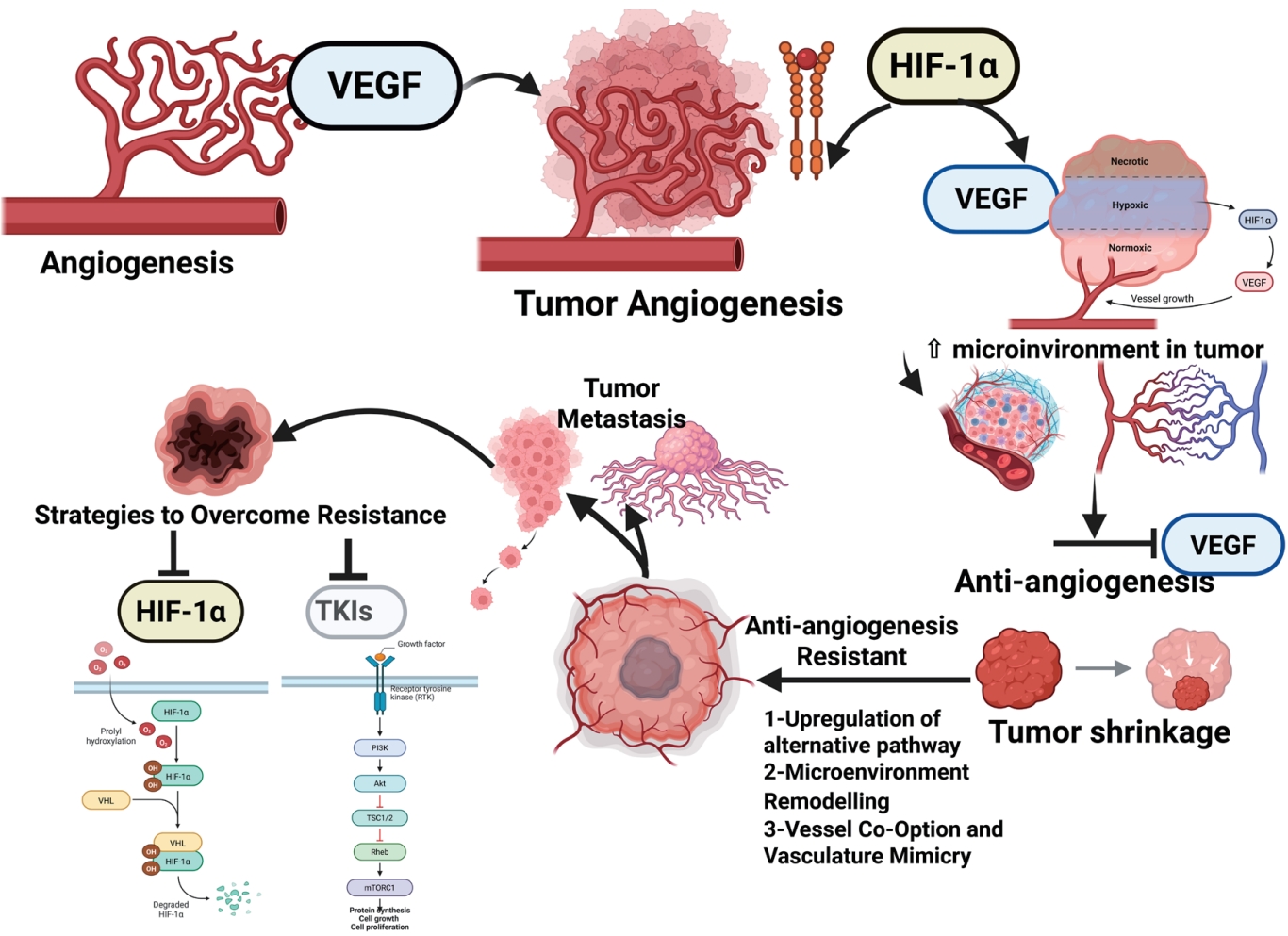
Antiangiogenic therapy resistance in pediatric cancers involves alternative angiogenic pathways, microenvironmental support, hypoxia-driven signaling, metabolic reprogramming, and structural adaptations such as vascular co-option. Metabolic adaptation highlights tumor plasticity. Effective treatments combine immunotherapy with biomarkers. To address vascular endothelial growth factor limitations, emerging targets include hypoxia-inducible factor-2α, endoglin, CXCR4, angiopoietin/Tie2, and bispecific antibodies. In resource-constrained settings, the guidelines recommend low-dose chemotherapy plus oral multiantiangiogenic agents to ensure improved accessibility and treatment outcomes. |
-
-
- Original Article
- Nutrition
- Success rates of conservative treatment and optimal surgical timing for pediatric chylothorax
-
Pakwan Kaewchusen, Narumon Densupsoontorn, Supaluck Kanjanauthai, Puthita Saengpanit
-
Clin Exp Pediatr. 2025;68(11):871-878. Published online August 6, 2025
-

|
Question: What is the success rate of conservative treatment for pediatric chylothorax, and when should surgical intervention be employed?
Finding: Overall success rate of conservative treatment was 83.3%. Surgically related etiologies and lower peak pleural fluid drainage rates were significantly associated with successful conservative management of pediatric chylothorax.
Meaning: If chylous drainage persists at ≥10 mL/kg/day beyond 2 weeks of optimal conservative treatment, surgical intervention should be considered. |
-
-
- General Pediatrics
- Effectiveness of Kinder Lebensqualität Fragebogen (KINDL) and Children’s Somatic Symptom Inventory-24 (CSSI-24) for measuring postacute sequelae of COVID-19 in children: a diagnostic validation study
-
Lawrence Shih-Hsin Wu, Pei-Chi Chen, Xiao-Ling Liu, Shu-Tsen Liu, Chi-Hung Wei, Yu-Lung Hsu, Kai-Sheng Hsieh, Huan-Cheng Lai, Chien-Heng Lin, Chieh-Ho Chen, An-Chyi Chen, I-Ching Chou, Wen-Jue Soong, Hui-Ju Tsai, Chung-Ying Lin, Jiu-Yao Wang
-
Clin Exp Pediatr. 2025;68(11):944-951. Published online September 12, 2025
-

|
Question: Although children with postacute sequelae of coronavirus disease 2019 (PASC) may experience persistent symptoms that affect their quality of life (QoL), a screening tool for identifying high-risk children is lacking.
Finding: Kinder Lebensqualität fragebogen (KINDL) and Children's Somatic Symptom Inventory-24 (CSSI-24) were significantly correlated. An optimal KINDL cutoff score (74.75) detected those at high risk of a reduced QoL.
Meaning: Integrating KINDL and CSSI-24 into routine pediatric outpatient care may enable timely identification and interventions for children at risk of PASC-related impairments. |
-
-
- Other
- Role of neutrophil elastase in predicting infection among children with chemotherapy-induced febrile neutropenia
-
Mahmoud A. El-Hawy, Doaa M. Elian, Mai El-Sayad Abd El-Hamid, Esraa T. Allam, Mariam S. Kandeel, Asmaa A. Mahmoud
-
Clin Exp Pediatr. 2025;68(10):801-807. Published online June 10, 2025
-
|
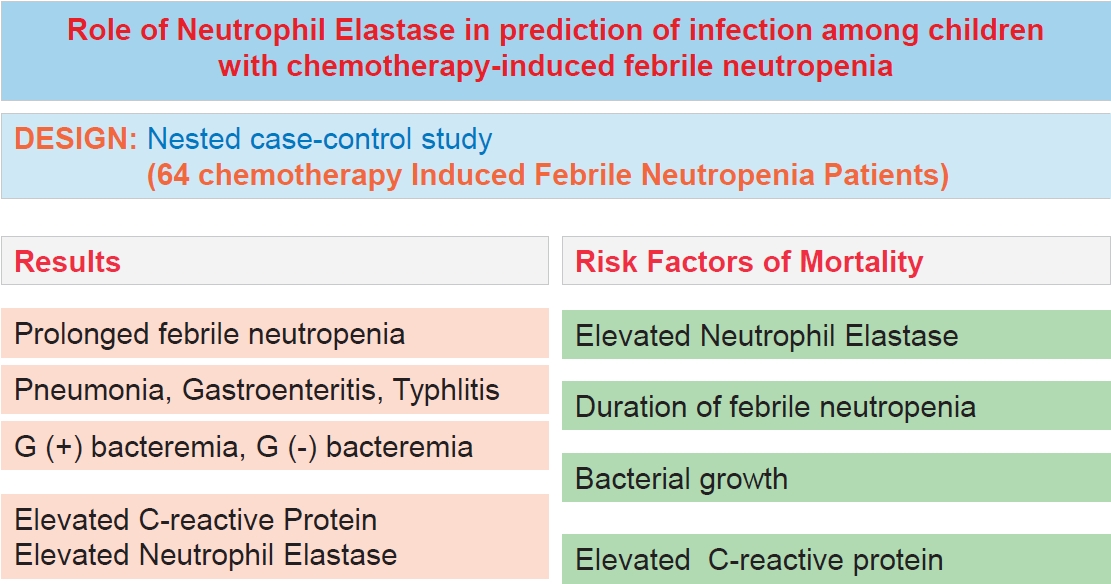
Question: Can neutrophil elastase (NE) levels predict infection— the primary cause of mortality—among children with hematological malignancies and febrile neutropenia (FN)?
Finding: Elevated levels of NE were found in children with chemotherapy-induced FN and a bacterial infection.
Meaning: Increased NE levels and prolonged FN are important factors associated with mortality risk. |
-
-
- Impact of thyroid hormones and serum endothelin levels on pediatric asthma control: a case-control study of an Indian population
-
Murugaiyan Sathishbabu, Sathiya Ramasamy, Niranjjan Ramachandran, Soundararajan Palanisamy, Arulvijayavani Subramaniam
-
Clin Exp Pediatr. 2025;68(10):831-837. Published online September 22, 2025
-
|
Question: What are the roles of thyroid hormones and endothelin in South Indian children with asthma?
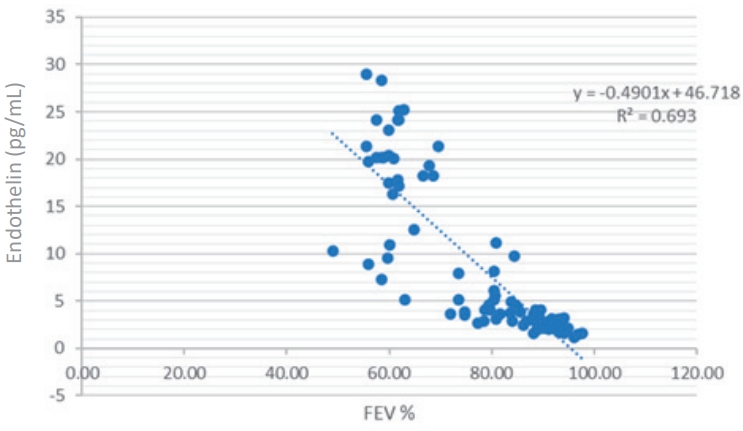
Finding: Thyroid hormone and endothelin levels were significantly elevated in South Indian children with asthma; poorly controlled cases exhibited the highest levels. Elevated thyroid-stimulating hormone and endothelin levels were correlated with asthma severity.
Meaning: Serum endothelin is a potential surrogate marker for asthma severity that could aid the assessment and management of childhood asthma. |
-
-
- Neonatology (Perinatology)
- Short-term outcomes of oropharyngeal administration of colostrum in preterm neonates: a double-blind placebocontrolled randomized trial
-
Ameneh Lamsehchi, Maryam Shokouhi Solgi, Mohammad Kazem Sabzehei, Behnaz Basiri, Elahe Talebi Ghane, Kiana Kimiaei Asadi, Sina Azadnajafabad
-
Clin Exp Pediatr. 2025;68(1):73-79. Published online October 31, 2024
-

|
Question: What are the short-term outcomes of oropharyngeal administration of colostrum (OAC) in preterm neonates?
Finding: This study demonstrated the significantly lower rates of necrotizing enterocolitis, clinically suspected sepsis, shorter hospital stay, period to full enteral feeding, and antibiotic therapy period in the OAC group.
Meaning: This trial may further expand the clinical application of OAC in premature infants to reduce their length of hospital stay and complications. |
-
-
- Neurology
- Instability of revised Korean Developmental Screening Test classification in first year of life
-
Ji Eun Jeong, You Min Kim, Na Won Lee, Gyeong Nam Kim, Jisuk Bae, Jin Kyung Kim
-
Clin Exp Pediatr. 2025;68(1):97-103. Published online November 11, 2024
-

|
Question: How stable are the revised Korean Developmental Screening Test score classifications in early infancy?
Finding: A significant number of infants improved into the peer and high-level group (≥-1 standard deviations), especially in the gross motor area.
Meaning: The early detection of developmental delay requires a comprehensive medical history, physical and neurological examinations, and repeated developmental screenings. |
-
-
- Review Article
- Neonatology (Perinatology)
- Quantifying myelin in neonates using magnetic resonance imaging: a systematic literature review
-
Nabila Hanem Arshad, Hasyma Abu Hassan, Nur Farhayu Omar, Zurina Zainudin
-
Clin Exp Pediatr. 2024;67(8):371-385. Published online December 6, 2023
-

|
Question: This systematic review attempts to discover the best magnetic resonance imaging (MRI) technique for myelin quantification in neonates by evaluating various MRI parameters and their reproducibility.
Finding: Since the benefits of using synthetic MRI for quantifying myelin in neonates outweigh the very minor draw- backs, it is recommended.
Meaning: The findings suggest the importance of identifying noninvasive MRI techniques available to assess myelin tissue in neonates, which aid in diagnosing neurodevelopmental disorders.
|
-
-
- Allergy
- Recent advances in food allergen immunotherapy
-
You Hoon Jeon, Edwin H. Kim
-
Clin Exp Pediatr. 2024;67(8):386-394. Published online December 7, 2023
-

|
· To enhance the safety of food allergen immunotherapy, alternative approaches such as sublingual immunotherapy, epicutaneous immunotherapy, low-dose oral immunotherapy (OIT), and omalizumab with OIT are being explored.
· Factors such as causative allergen type, natural outgrowth, symptom severity, and patient age should be considered.
· Individualized food allergen immunotherapy plans should be established to determine the most beneficial treatment for each patient. |
-
-
- Nephrology (Genitourinary)
- Effects of diethylene glycol contamination of pharmaceutical products on unexplained acute kidney injury in children: a systematic review
-
Sani Rachman Soleman, Muhammad Luthfi Adnan, Hilmi Ardian Sudiarto, Satria Bintang Mahathma, Alya Ayu Tazkia, Hana Afifah Firdaus, Alfreda Amelia Khotijah, Miranti Dewi Pramaningtyas, Emi Azmi Choironi
-
Clin Exp Pediatr. 2024;67(8):395-402. Published online January 4, 2024
-

|
A recent unexplained acute kidney injury (AKI) outbreak due to pharmaceutical product contamination with diethylene glycol (DEG) raises public attention. Our study revealed that DEG-contaminated paracetamol causes unexplained AKI in children. However, paracetamol is not the only contaminated drug. Other drugs, such as cough expectorants, antihistamines, and sedatives, can also be affected. Other chemicals, such as ethylene glycol and propylene glycol, can also contribute to poisonings. |
-
-
- Editorial
- Neurobehavior
- Importance of pediatrician’s role in preventing positional plagiocephaly
-
Hee-Jeong Kang
-
Clin Exp Pediatr. 2024;67(6):294-295. Published online May 21, 2024
-

|
· Plagiocephaly is characterized by the asymmetrical shape of a baby’s head.
· Since positional plagiocephaly is associated with developmental delay and further musculoskeletal problems, early detection allows for timely intervention and prevents worsening of the condition.
· Pediatricians can educate parents about proper head positioning and encourage supervised tummy time during awake hours. |
-
-
- Neonatology (Perinatology)
- Exploring the role of laryngeal masks in neonatal resuscitation
-
Euiseok Jung
-
Clin Exp Pediatr. 2024;67(5):247-248. Published online December 28, 2023
-
|
|
· Laryngeal masks (LMs) offer stable airway access and skill retention advantages, making them promising alternatives to positive-pressure ventilation in neonatal care.
· The ease of teaching LM insertion techniques to less experienced providers addresses the need for swift intervention and skill retention.
· Careful consideration of the benefits and challenges of LMs is essential in determining their effective integration into enhanced neonatal resuscitation protocols. |
-
-