Most viewed
- Page Path
-
- HOME
- BROWSE ARTICLES
- Most viewed
"Most viewed" Articles are from the articles published in 2024 during the last six month.
- Genetics and Metabolism
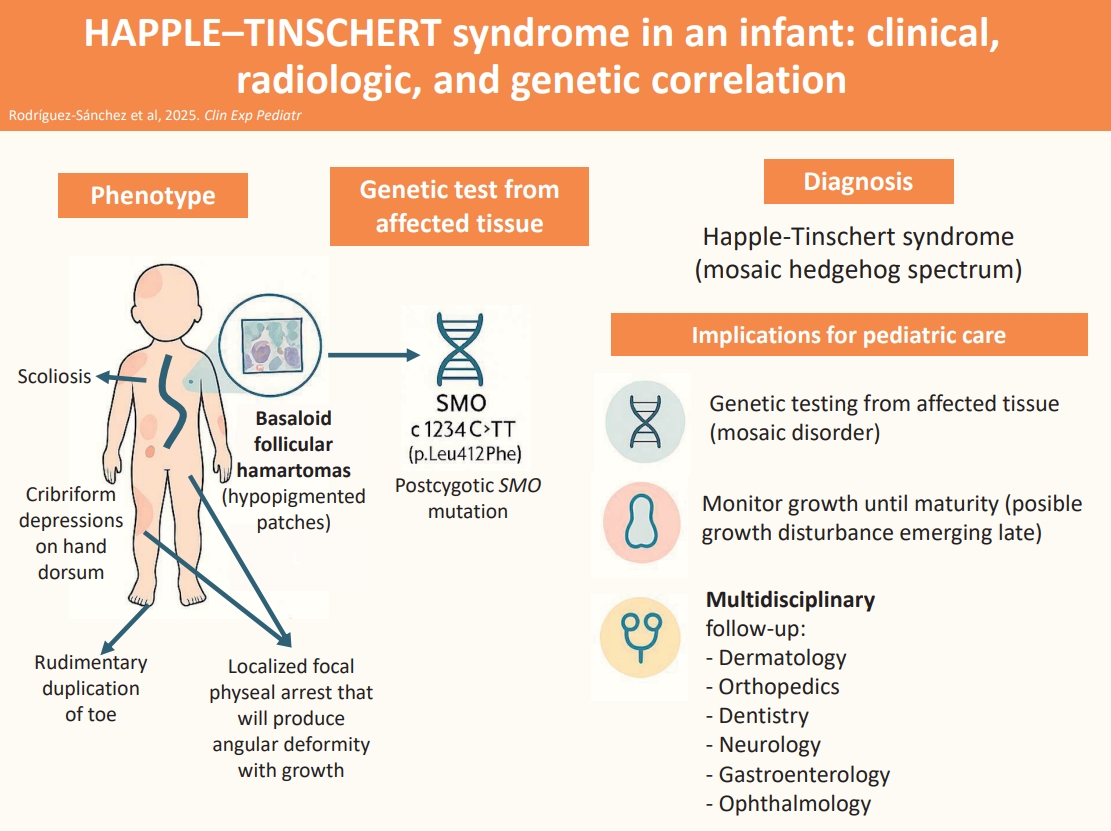
- Happle-Tinschert syndrome in an infant: clinical, radiologic and genetic correlation
(1,895 times)
-
Belén Rodríguez-Sanchez, Francisco Javier Narbona-Cárceles, Jorge Martín-Nieto-González, Marina de la Puente-Alonso, Luis Zamarro-Díaz, Luis Jiménez-Briones, Julia Suárez-González, Francisco Arias-Lotto, Minia Campos-Domínguez
-
Clin Exp Pediatr. 2026;69(2):182-185. Published online January 20, 2026
-
-
-
- Editorial
- Neonatology (Perinatology)
- Advancements and challenges in neonatal resuscitation: embracing laryngeal mask airways for improved outcomes
(1,880 times)
-
Jang Hoon Lee
-
Clin Exp Pediatr. 2025;68(4):298-299. Published online November 28, 2024
-
|
|
Positive pressure ventilation (PPV) is the most critical intervention provided during delivery room resuscitation. In the new guidelines, this recommendation has been expanded to suggest the use of laryngeal mask airyway (LMA) versus face masks for PPV. Evidence-based information and hands-on training related to this practice will help more healthcare providers become familiar with and appropriately use LMA during delivery room resuscitations. |
-
-
- Original Article
- Neonatology (Perinatology)
- Protective effect of recombinant interleukin-10 on newborn rat lungs exposed to short-term sublethal hyperoxia
(1,865 times)
-
Hyeon-Soo Lee, Young-Joon Ryu, Min-Jae Lee
-
Clin Exp Pediatr. 2024;67(10):540-549. Published online September 27, 2024
-

|
Lung injury is generated from the early stage of hyperoxia through the biologic effects of cell death and inflammatory response, which eventually leads to evolution of bronchopul-monary dysplasia. Therefore, a protective measure against hyperoxia-induced lung injury is needed. The present study observed that anti-inflammatory cytokine, interleukin-10 had protective effects on newborn rat lungs from injury induced at the early stage of hyperoxia, by preventing cell death and down-regulating inflammatory response. |
-
-
- Editorial
- Allergy
- Prioritizing maternal sleep: a public health strategy for preventing childhood allergic diseases
(1,862 times)
-
Eunchae Lee, Seohyun Hong, Dong Keon Yon
-
Clin Exp Pediatr. 2026;69(1):22-25. Published online December 18, 2025
-

|
Sleep disorders affect more than half of pregnancies worldwide and can harm maternal health and offspring outcomes. Prioritizing maternal sleep as a public health strategy may help prevent prenatal and pediatric allergic diseases and reduce their burden. Other maternal health strategies may also reduce the burden of offspring allergic diseases, while adequate maternal sleep is associated with other offspring outcomes, underscoring its importance as a key public health strategy. |
-
-
- Effect of metabolic syndrome on pulmonary dysfunction in children with asthma
(1,850 times)
-
Hyo-Bin Kim
-
Clin Exp Pediatr. 2025;68(2):136-137. Published online November 13, 2024
-
|
|
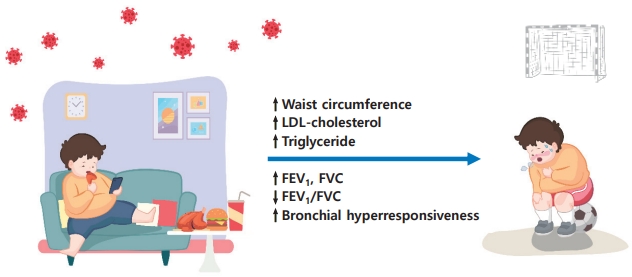
· The prevalence of metabolic syndrome increased in Korean children during the coronavirus disease 2019 pandemic owing to reduced physical activity resulting from social distancing.
· Metabolic syndrome impacts pulmonary dysfunction in childhood asthma.
· Further studies are needed to understand the mechanism linking asthma and metabolic syndrome and develop interventions. |
-
-
- Pulmonology
- Telomere biology disorders in childhood interstitial lung disease: new insights from the chILD-EU cohort
(1,845 times)
-
Andrew Courtwright
-
Clin Exp Pediatr. 2026;69(7):542-544. Published online June 30, 2026
-
|
|
Greiner-Mai et al. expand recognition of telomere biology disorder (TBD)-associated interstitial lung disease (ILD) in children, demonstrating heterogenous radiographic and ILD subtypes in combination with variable extrapulmonary phenotypes, even in the absence of ultrashort peripheral blood telomere length (TL). While their findings highlight some of the limitations of current TL testing methods, they introduce critical questions regarding family screening and the role of antifibrotic and telomere-directed therapies in children with TBD-related ILD. |
-
-
- General Pediatrics
- Global breastfeeding efforts: a long way to go
(1,840 times)
-
Hye-Jung Shin
-
Clin Exp Pediatr. 2025;68(4):300-302. Published online November 13, 2024
-

|
· Despite much effort, breastfeeding practices remain unsatisfactory worldwide.
· Effective breastfeeding-promoting interventions are needed that are appropriate for age, culture, and social environment.
· Interventions can promote breastfeeding, especially in younger populations such as adolescent mothers. |
-
-
- Original Article
- Pulmonology
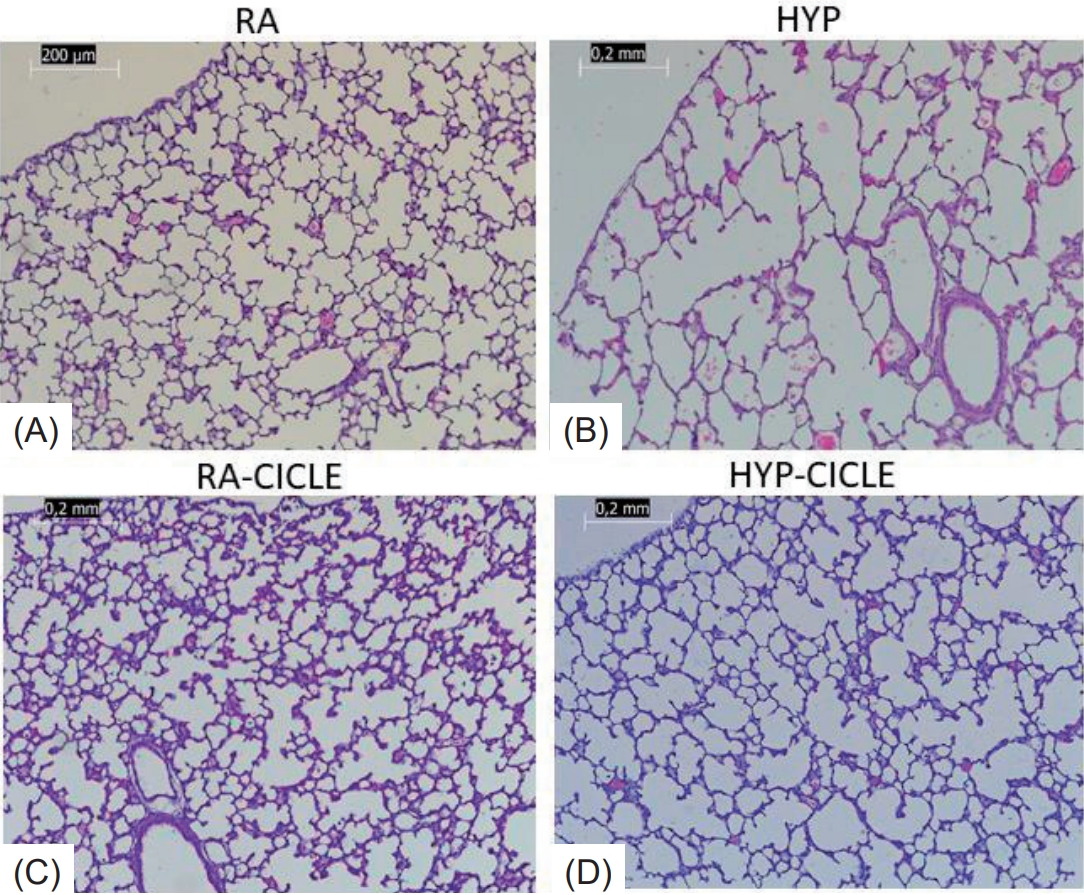
- Ciclesonide shows a lung-protective effect in neonatal hyperoxia-exposed rats
(1,831 times)
-
Victoria Mielgo, Miguel A. Gomez-Solaetxe, Lara Olazar, Begoña Loureiro, Carmen Rey-Santano
-
Clin Exp Pediatr. 2025;68(12):1023-1030. Published online October 2, 2025
-
|
Question: Bronchopulmonary dysplasia (BPD) is the most prevalent chronic lung disease of prematurity. Numerous nonpharmacological/pharmacological interventions have been investigated without clear consensus. Can ciclesonide, a new synthetic glucocorticoid, effectively treat BPD?
Finding: Ciclesonide mitigated hyperoxia-induced lung injury and right ventricular hypertrophy in newborn rats.
Meaning: These findings suggest that postnatal ciclesonide may be an alternative to existing corticosteroids for the treatment of BPD. |
-
-
- Editorial
- Infection
- Beyond COVID-19: meeting the challenge of evolving pediatric invasive group A streptococcal disease
(1,816 times)
-
Han Wool Kim
-
Clin Exp Pediatr. 2025;68(12):971-973. Published online November 26, 2025
-
|
|
Pediatric for invasive group A Streptococcus has resurged globally with increasing severity and toxin-mediated presentations. Beta-lactams remain the first-line treatment, but linezolid has emerged as a safe alternative in cases refractory to β-lactams. Early intravenous immunoglobulin use may improve outcomes in severe streptococcal toxic shock syndrome cases, while C-reactive protein and procalcitonin aid early risk stratification. Integrating global surveillance and individualized therapy is crucial in the postpandemic era. |
-
-
- Original Article
- Gastroenterology
- Prognosis of pediatric hepatic Wilson disease with ATP7B loss of function variants
(1,783 times)
-
Amresh Kumar Mishra, Moinak Sen Sarma, Anchal Dubey, Pratik Gadekar, Amita Moirangthem, Anshu Srivastava, Amrita Mathias
-
Clin Exp Pediatr. 2026;69(8):646-654. Published online July 13, 2026
-
|
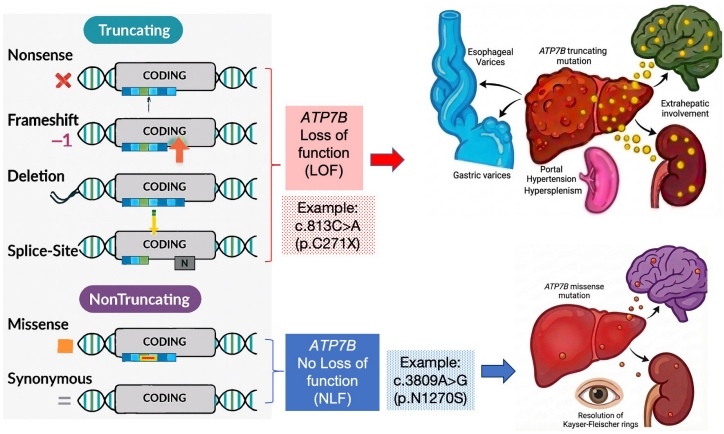
Question: Do the loss of function (LOF) of ATP7B mutated variants affect the severity or outcomes of hepatic Wilson disease (WD)?
Finding: LOF is associated with advanced liver disease, portal hypertension, and extrahepatic involvement. LOF did not determine hepatic or overall outcomes. ATP7B: c.813C>A (truncation variant) has an aggressive course with higher predisposition to acute liver failure. Lower serum exchangeable copper levels and higher disappearance of Kayser-Fleischer ring were observed in ATP7B: c.3809A>G (nontruncation variant) suggesting a better effect of chelation and lesser systemic copper.
Meaning: Truncation of the ATP7B protein determines the severity of the phenotype in WD. |
-
-
- Editorial
- Genetics and Metabolism
- Advancing orphan drug development for rare diseases
(1,781 times)
-
Jung Min Ko
-
Clin Exp Pediatr. 2024;67(7):356-357. Published online November 17, 2023
-
|
|
· Rare diseases present unique challenges and unmet needs for which the development of orphan drugs tailored to them offers hope.
· Despite the hurdles posed by limited patient populations, orphan drug designations from regulatory agencies provide incentives, such as extended market exclusivity and tax credits, that ignite transformative advances.
· Scientific progress in genomics, personalized medicine, and analytics empowers precise interventions by decoding genetic anomalies and encouraging effective treatments. |
-
-
- Allergy
- Trends in food allergen immunotherapy in Korea after changed national regulations
(1,770 times)
-
Tae Won Song
-
Clin Exp Pediatr. 2024;67(4):201-202. Published online November 21, 2023
-
|
|
National regulations, academic guidelines, and clinical trends in food allergen immunotherapies (FA-AIT) differ among countries and have changed rapidly. Current officially approved FA-AIT are oral immunotherapy (OIT) using heated milk/egg in Korea and peanut OIT using standardized products in the United States and Europe. FA-AIT should be administered by specialist physicians with experience administering oral food challenge tests and managing severe allergic reactions inside and outside research settings. |
-
-
- Infection
- Preventing bloodstream infections in children after liver transplantation
(1,767 times)
-
Young June Choe
-
Clin Exp Pediatr. 2024;67(11):599-600. Published online April 18, 2024
-
|
|
Liver transplantation (LT) is crucial for children with end-stage liver diseases, yet bloodstream infections (BSI) pose significant risks, despite medical advancements. Immunosuppressants, essential for preventing organ rejection, heighten infection susceptibility. Understanding BSI organisms is vital due to antimicrobial resistance. Pediatric LT recipients have unique risk factors, demanding tailored preventive measures. This systematic review on bacterial BSI emphasizes the urgency of effective prevention strategies, considering the high incidence and distinct organism profile. Further research is vital for optimizing antibiotic management and improving outcomes for this vulnerable population. |
-
-
- Original Article
- Immunology
- Serum bactericidal activity against meningococcus in patients with systemic lupus erythematosus
(1,747 times)
-
Soyoung Lee, Kyung-Hyo Kim, Ji Hyen Lee, Han Wool Kim
-
Clin Exp Pediatr. 2025;68(5):362-369. Published online January 13, 2025
-
|
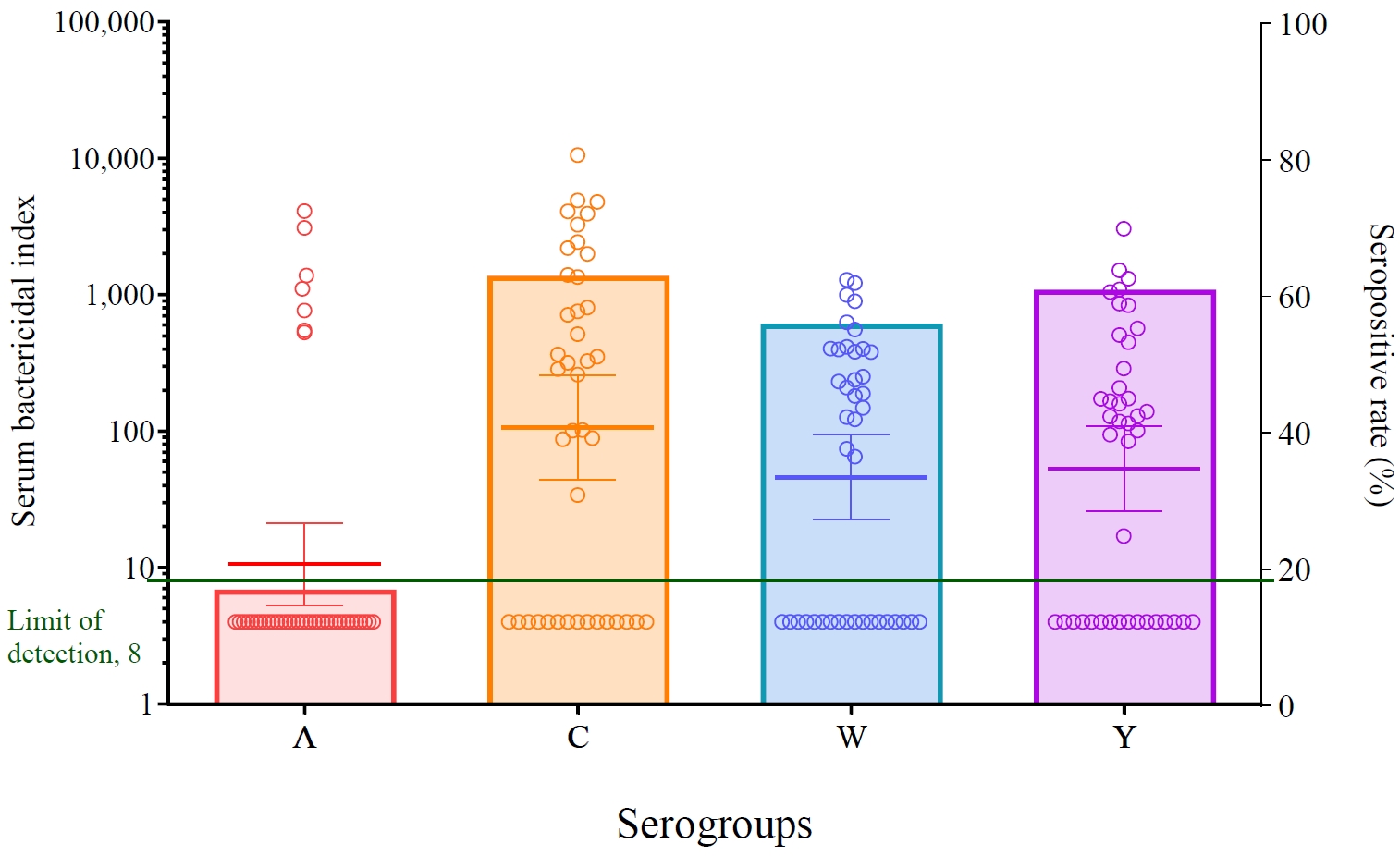
Question: What is the level of immunity against meningococcal infections in patients with systemic lupus erythematosus (SLE) under the age of 19, and is vaccination against meningococcus necessary for these patients, given their susceptibility to infections due to immunosuppressive treatments and disease characteristics?
Finding: Although some of our study patients exhibited serum bactericidal activity against meningococci, most remained seronegative.
Meaning: These findings suggest that patients with SLE who are at risk of meningococcal infection receive appropriate vaccinations. |
-
-
- Original Article
- Neurology
- Patient-independent automated pediatric seizure monitoring based on expert-labeled electrographic ictal data as core reference knowledge
(1,713 times)
-
Yoon Gi Chung, Jaeso Cho, Anna Cho, Hunmin Kim, Byung Chan Lim
-
Clin Exp Pediatr. 2026;69(8):665-675. Published online July 14, 2026
-
|
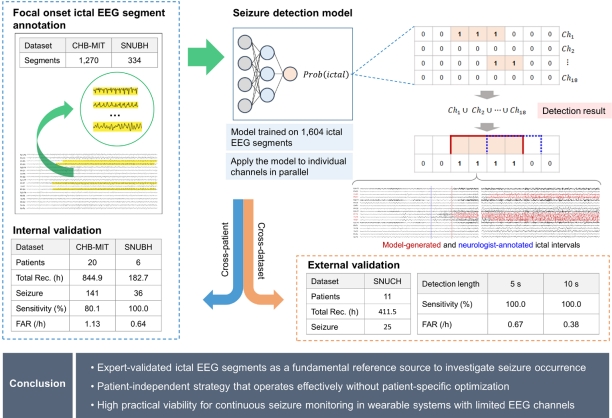
Question: Can deep learning models trained on expert-verified electroencephalography segments reliably detect seizures and be applied to single-channel wearable monitoring?
Finding: This technique demonstrated 80.1%–100% sensitivity and low false-alarm rates. On 1,604 expert-labeled segments, the model outperformed previous studies in terms of latency and accuracy across unseen datasets.
Meaning: Expert-labeled data are essential for achieving universal seizure detection. This channel-specific approach enabled efficient and continuous monitoring using wearable devices. |
-
-
- Endocrinology
- Rising incidence of central precocious puberty in Thailand: a nationwide population-based study before, during, and after the COVID-19 pandemic (2018–2024)
(1,706 times)
-
Pattara Wiromrat, Preamrudee Poomthavorn, Ratikorn Chaisiwamongkol, Chaiyawat Suppasilp, Ouyporn Panamonta, Ratchaneewan Sinitkul
-
Clin Exp Pediatr. 2026;69(9):733-742. Published online August 19, 2026
-

|
Question: Did the incidence of central precocious puberty (CPP) and premature thelarche (PT) among Thai children change during 2018–2024?
Finding: CPP incidence in girls more than doubled during the COVID-19 pandemic and remained elevated thereafter, primarily at age 8 to <9 years. PT incidence increased progressively, particularly in girls aged 7 to <8 years.
Meaning: In peripubertal age groups, CPP and PT incidence increases may reflect pandemic-related factors, obesity, awareness, or earlier pubertal onset. |
-
-
- Original Article
- Basic Research
- Longitudinal changes in serum soluble C5b-9 levels following immunomodulatory therapy for multisystem inflammatory syndrome in children
(1,663 times)
-
Amrita Pattanaik, Prasad Varamballi, Srilatha Marate, Sushma Bhandarkar B., Shrikiran Aroor, Somashekar A.R., Suchetha S. Rao, Chiranjay Mukhopadhyay
-
Clin Exp Pediatr. 2026;69(9):726-732. Published online August 19, 2026
-

|
Question: Do serum soluble C5b-9 (sC5b-9) levels change following immunomodulatory therapy in children with multisystem inflammatory syndrome in children (MIS- C)?
Finding: In this longitudinal multicentric study of 100 children with MIS-C, serum sC5b-9 concentrations significantly decreased following treatment, although some patients showed persistently elevated levels at discharge.
Meaning: Serial sC5b-9 measurements may indicate treatment-associated immune activity and recovery in MIS-C. |
-
-
- Critical Care Medicine
- Telemedicine outcome of mechanically ventilated children in Brazilian pediatric intensive care units
(1,657 times)
-
Aristóteles de Almeida Pires, Luciano Remião Guerra, João Ronaldo Mafalda Krauzer, Luciane Gomes da Cunha, Mariana Motta Dias da Silva, Vanessa Cristina Jacovas, Hilda Maria Rodrigues Moleda Constant, Taís de Campos Moreira, Paulo Márcio Pitrez, Felipe Cezar Cabral
-
Clin Exp Pediatr. 2026;69(2):140-149. Published online October 23, 2025
-
|
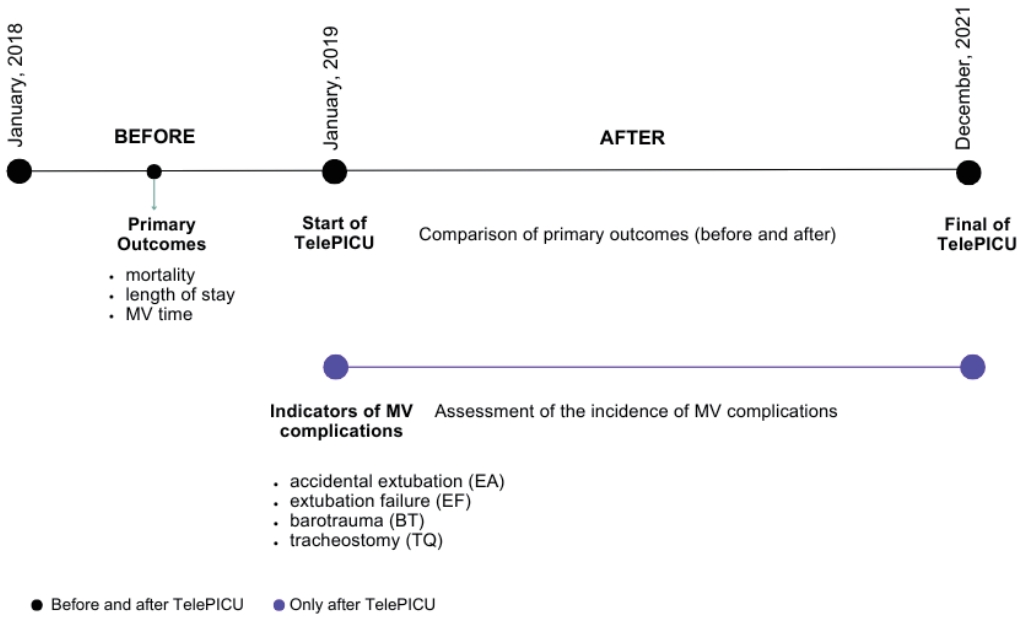
Question: Telemedicine interventions in Brazilian public pediatric intensive care units effectively address the challenges related to specialized care provision in resource-limited settings.
Finding: The implementation of telemedicine significantly reduced overall mortality rates among mechanically ventilated children (from 20.7% to 10.4%) and increased ventilator-free days from 3 (interquartile range, 0–7) to 4 (interquartile range, 2–8) days.
Meaning: These findings support telemedicine as a viable strategy for enhancing pediatric critical care in public health systems, particularly by improving patient outcomes. |
-
-
- Cardiology
- Red cell distribution width and reticulocyte hemoglobin content as predictors of iron depletion in children with cyanotic congenital heart disease
(1,656 times)
-
Hanyudh Prichayudh, Kanhatai Chiengthong, Khwaunrat Whaidee, Navaporn Phiphattanatikanunt, Vidhavas La-orkhun, Pornthep Lertsapcharoen
-
Clin Exp Pediatr. 2026;69(9):706-712. Published online July 29, 2026
-

|
Question: Are red cell distribution width (RDW) and reticulocyte hemoglobin content (CHr) reliable alternative markers for detecting iron depletion in children with cyanotic congenital heart disease, whose status is often masked by compensatory polycythemia?
Finding: Multivariate analysis demonstrated that RDW (≥18.8%) and CHr (<28 pg) are strong independent predictors of iron depletion in this vulnerable population.
Meaning: Combined use of these accessible markers facilitates earlier diagnosis and improves clinical management in resource-limited healthcare facilities. |
-
-
- Clinical Note
- Gastroenterology
- Successful rescue after catastrophic bleeding of carotid artery pseudoaneurysm following button battery ingestion in a toddler
(1,635 times)
-
Manjit Kaur, Ujjal Poddar, Basant Kumar, Abdul Muzil Munshi, Rajanikant R. Yadav, Moinak Sen Sarma, Anshu Srivastava
-
Clin Exp Pediatr. 2025;68(12):1041-1044. Published online October 22, 2025
-
|
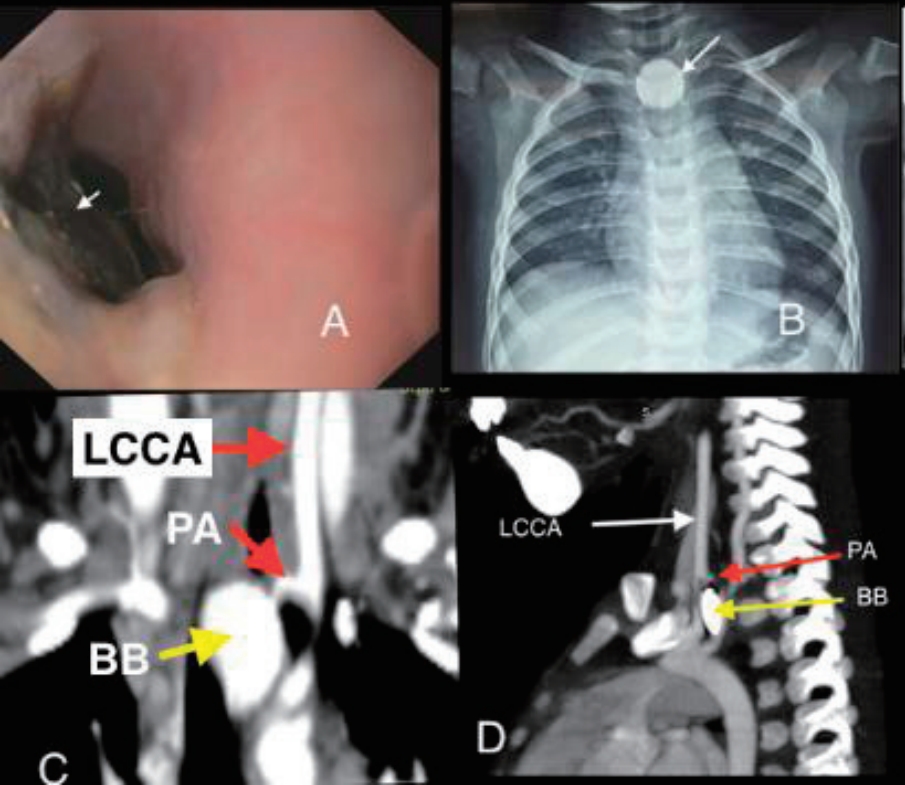
Button battery (BB) ingestion is an increasing hazard. Catastrophic gastrointestinal bleeding due to pseudoaneurysm rupture following BB impaction is often fatal. Here we report the case of an unwitnessed BB ingestion in an 18-month-old boy who presented with repeated massive UGIB due to a left CCA pseudoaneurysm that was successfully managed multidisciplinarily. BB ingestion should be considered in toddlers presenting with hematemesis. |
-
-