|
|
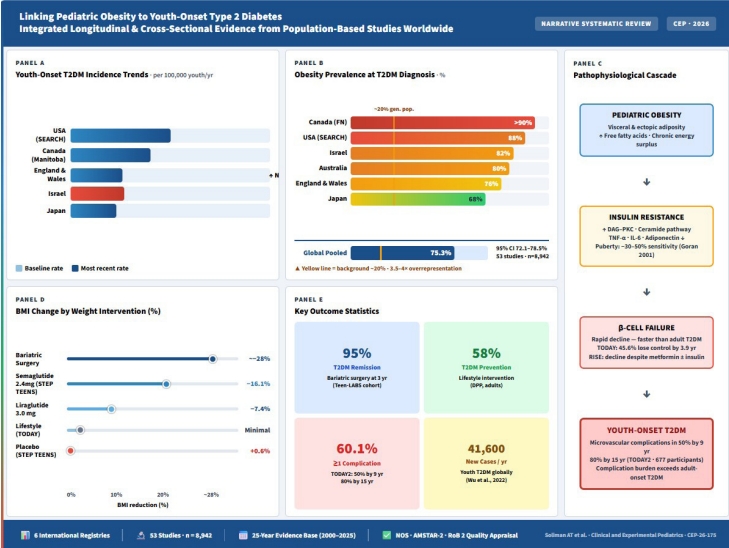
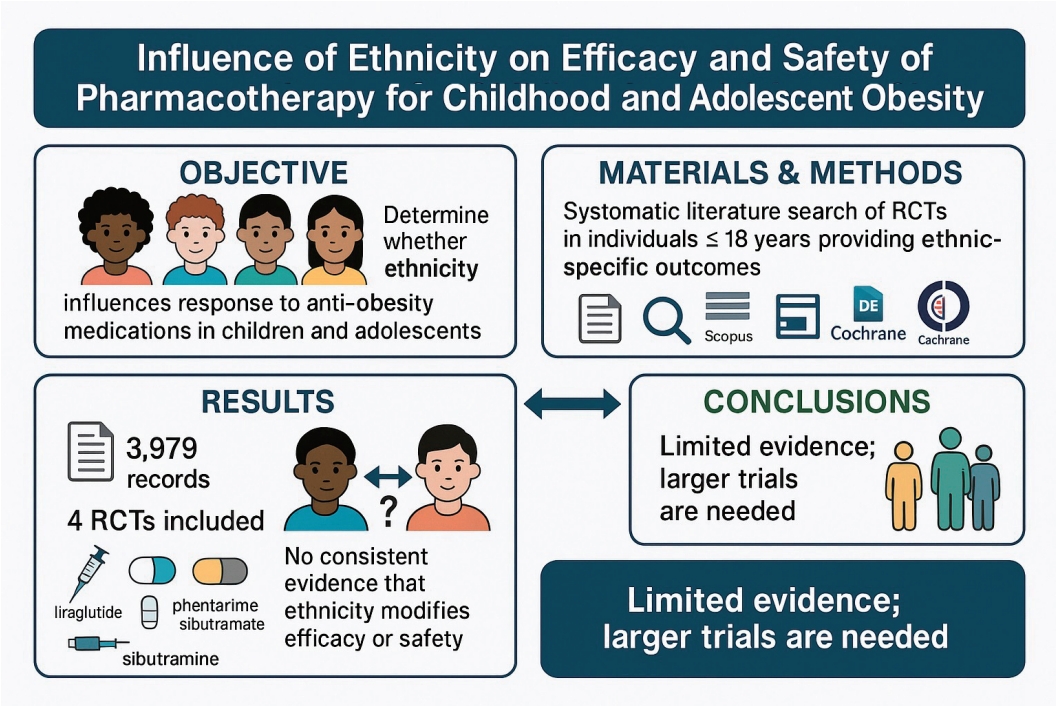
Ethnic variations may influence the response of children and adolescents to obesity pharmacotherapy. Current evidence does not show consistent differences in efficacy or safety among ethnic groups; however, available data are limited. Larger, ethnically diverse trials are needed to develop personalized obesity treatment strategies. |
|
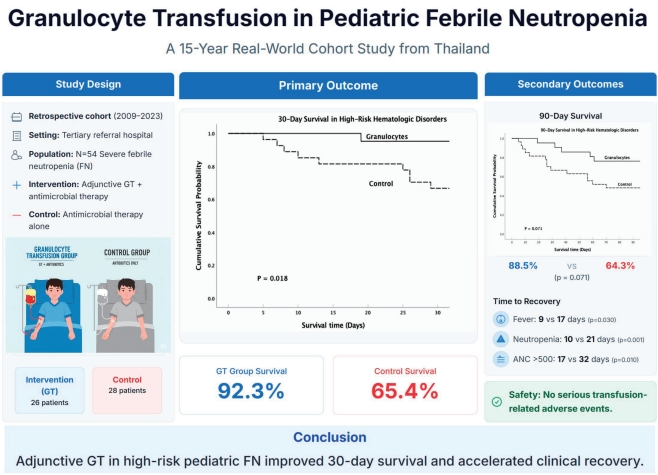
Question: Does granulocyte transfusion improve survival and clinical recovery in pediatric febrile neutropenia? Finding: In this 15-year real-world cohort, granulocyte transfusion significantly increased 30-day survival (92.3 % vs. 65.4%; adjusted odds ratio, 0.105; P=0.020) and accelerated fever and neutrophil recovery without serious adverse events. Meaning: Granulocyte transfusion may be an effective adjunctive therapy for severe neutropenic infections in children, particularly in low- and middle-income settings. |
|
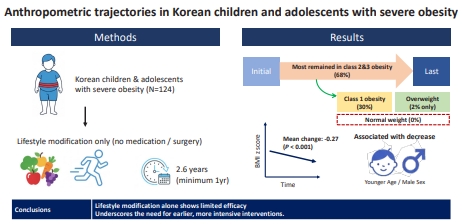
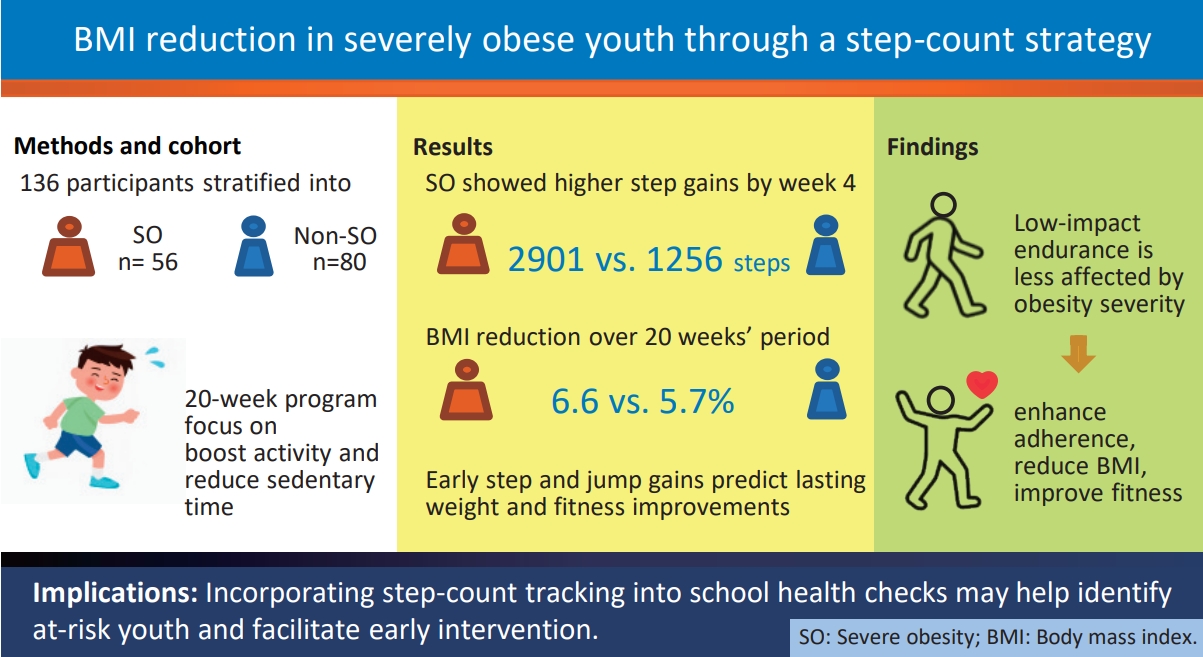
Question: How does obesity severity affect baseline fitness and improvements in key obesity-related measures following participation in a structured lifestyle modification program? Finding: Severely obese youth showed poorer baseline physical fitness but greater improvements in key obesity-related measures following lifestyle interventions. Meaning: Early targeted intervention may help prevent progression to more severe obesity and declines in physical fitness in patients with obesity. |
|
|
Background: Intravenous cannulation (IVC) is a routine yet distressing procedure in pediatric patients, often provoking significant anxiety and procedural pain. Although eutectic mixtures such as eutectic mixture of local anesthetic cream are widely used, their delayed onset limits their applicability in time-sensitive settings. Ethyl chloride vapocoolant spray and 10% lignocaine spray have been proposed as rapid-onset alternatives, yet direct comparative... |
|
|
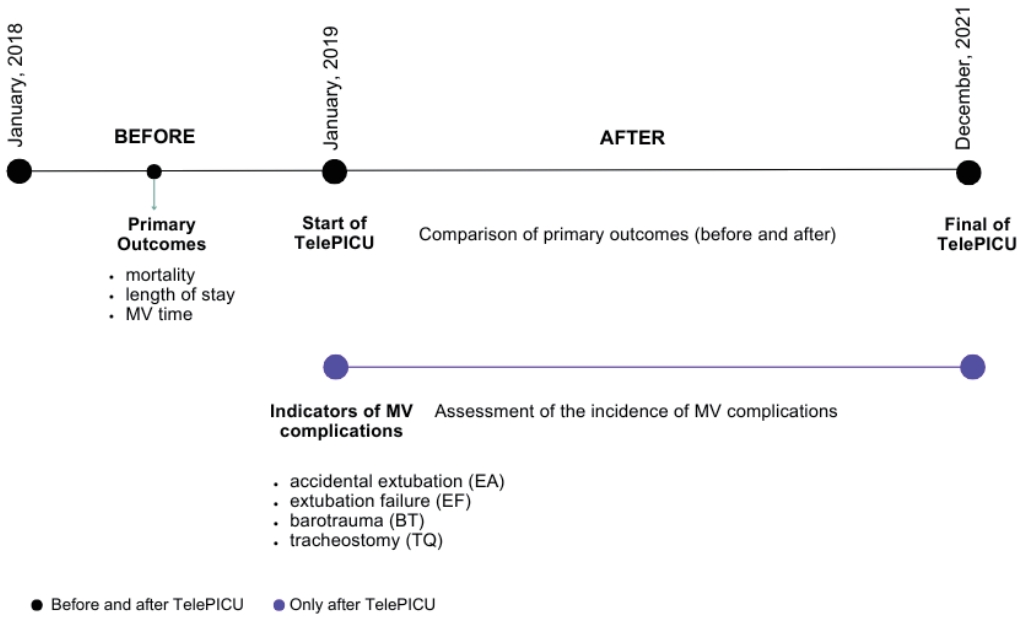
Question: Telemedicine interventions in Brazilian public pediatric intensive care units effectively address the challenges related to specialized care provision in resource-limited settings. Finding: The implementation of telemedicine significantly reduced overall mortality rates among mechanically ventilated children (from 20.7% to 10.4%) and increased ventilator-free days from 3 (interquartile range, 0–7) to 4 (interquartile range, 2–8) days. Meaning: These findings support telemedicine as a viable strategy for enhancing pediatric critical care in public health systems, particularly by improving patient outcomes. |
|
|
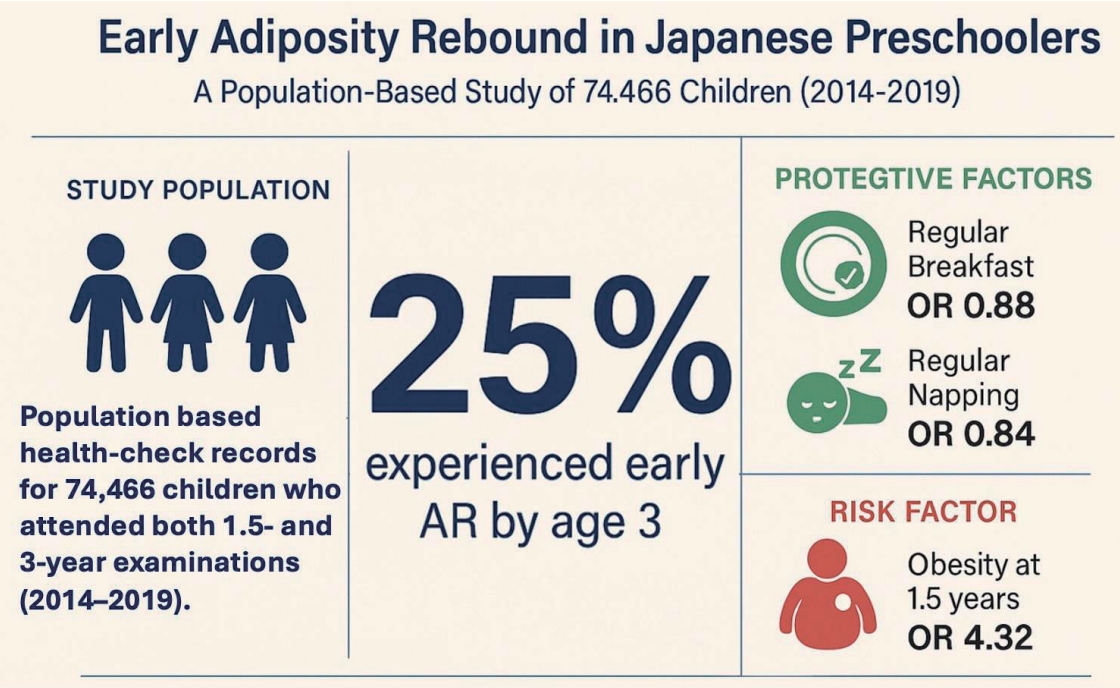
In a population‑based cohort of 74,466 children, 25% experienced early adiposity rebound (AR) by age 3. Daily breakfast and routine napping at 1.5 years were independently associated with lower odds of AR, while obesity at 1.5 years was a strong predictor. These modifiable routines could help delay AR and enable early identification during routine child health checks. |
|
|
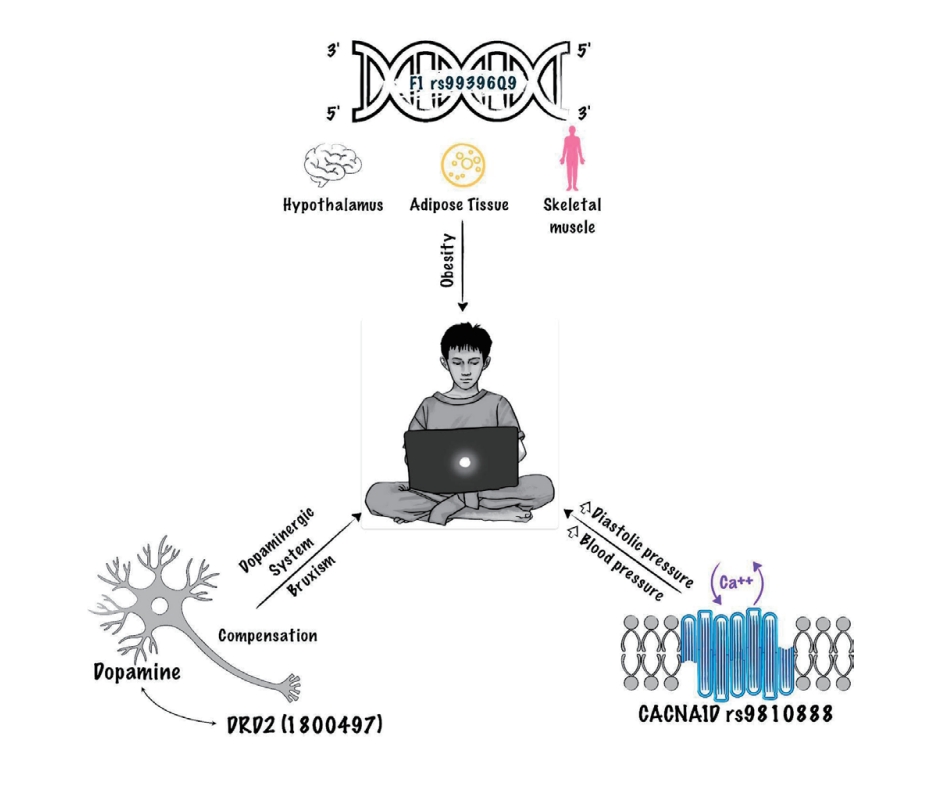
Excessive screen time in children is linked to obesity, overweight, sedentary behavior, depression and mood disorders, myopia, behavioral changes, sleep disturbances, attention deficit hyperactivity disorder, among others. Polymorphisms in genes like FTO, CACNA1D, and DRD2 could further increase these risks. Implementing strategies such as limiting screen use, creating screen-free zones, and monitoring content is essential to mitigate adverse physical and mental health effects in the pediatric population. |
|
|
The B-cell lymphoma protein 2 family proteins Bak and Bcl- Xl, important markers of apoptosis, may contribute to primary immune thrombocytopenia (ITP). Thus, their expression may serve as biomarkers for the diagnosis and monitoring of pediatric ITP. Targeting these pathways may improve platelet survival, particularly in treatment-resistant cases. Personalized treatments based on apoptotic profiles can optimize therapy and reduce the unnecessary use of immunosuppressive drugs. |
|
|
Question: What is the success rate of conservative treatment for pediatric chylothorax, and when should surgical intervention be employed? Finding: Overall success rate of conservative treatment was 83.3%. Surgically related etiologies and lower peak pleural fluid drainage rates were significantly associated with successful conservative management of pediatric chylothorax. Meaning: If chylous drainage persists at ≥10 mL/kg/day beyond 2 weeks of optimal conservative treatment, surgical intervention should be considered. |
|
|
Artificial intelligence (AI) offers potential benefits in pediatric care, but its real-world adoption requires clinician literacy, ethical and legal safeguards, and cautious implementation. Large language models are emerging across healthcare, but their use in pediatric clinical practice remains premature. Thus, the cautious and accountable implementation of AI is crucial to preventing unintended harm and realizing its potential. |
|
|
Question: Does treating iron deficiency (ID) using intravenous iron in pediatric inflammatory bowel disease (IBD) feature long-term safety and efficacy? Finding: Intravenous iron supplementation was safe and effective. However, the ID recurrence rate was higher than expected. Meaning: Proactive screening and treatment of ID in pediatric IBD are essential. The Ganzoni formula likely underestimates the iron requirements of pediatric patients. Prospective trials are needed to optimize iron treatment dosing. |
|
|
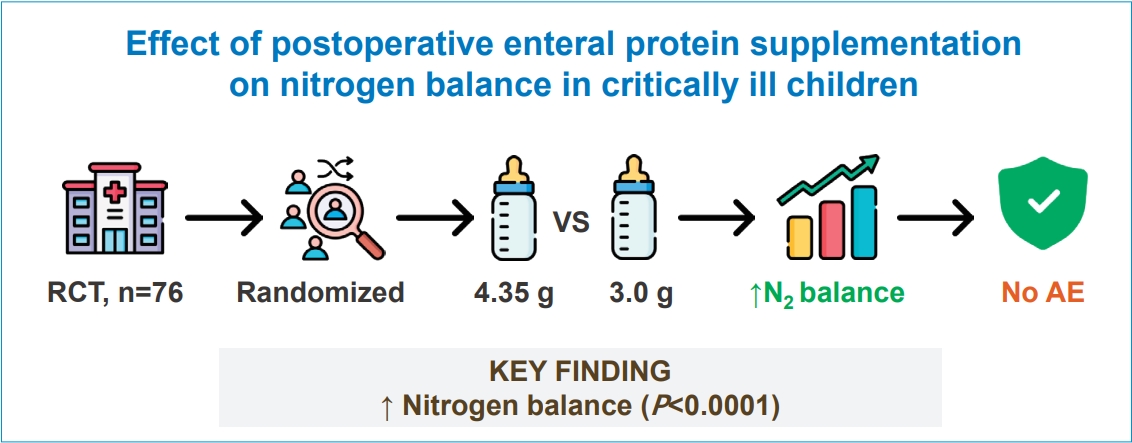
Question: Does high-protein enteral nutrition better increase the average nitrogen balance (NB) and decrease the intestinal fatty acid-binding protein (I-FABP) level of critically ill postoperative children than standard-protein enteral nutrition? Finding: The study demonstrated a significant increase in average NB but no significant decrease in I-FABP levels in the high- versus low-protein group. Meaning: These findings suggest that high-protein enteral nutrition can improve NB in critically ill postoperative children, thereby supporting their recovery. |
|
|
Question: Are pediatric patients with heart disease who are receiving diuretics at risk of thiamin deficiency (TD)? Finding: Fifteen percent of the patients had TD. TD was associated with inadequate dietary thiamin intake and increasing age. Meaning: The thiamin pyrophosphate effect should be assessed in those with high risk of TD. Dietary counseling should be emphasized to ensure adequate dietary thiamin intake. |
|
|
Question: Can pediatric autoimmune hemolytic anemia (AIHA) be effectively managed using first-line steroids? Finding: In this single-center study, pediatric patients with AIHA achieved normal hemoglobin levels within 16.5 days (range, 9.0–22.0 days) of first-line steroid treatment and maintained effective responses for 2 months. Meaning: These outcomes highlight the efficacy of steroid treatment in pediatric versus adult AIHA and underscore the need for multicenter trials to establish standardized treatment guidelines. |
|
|
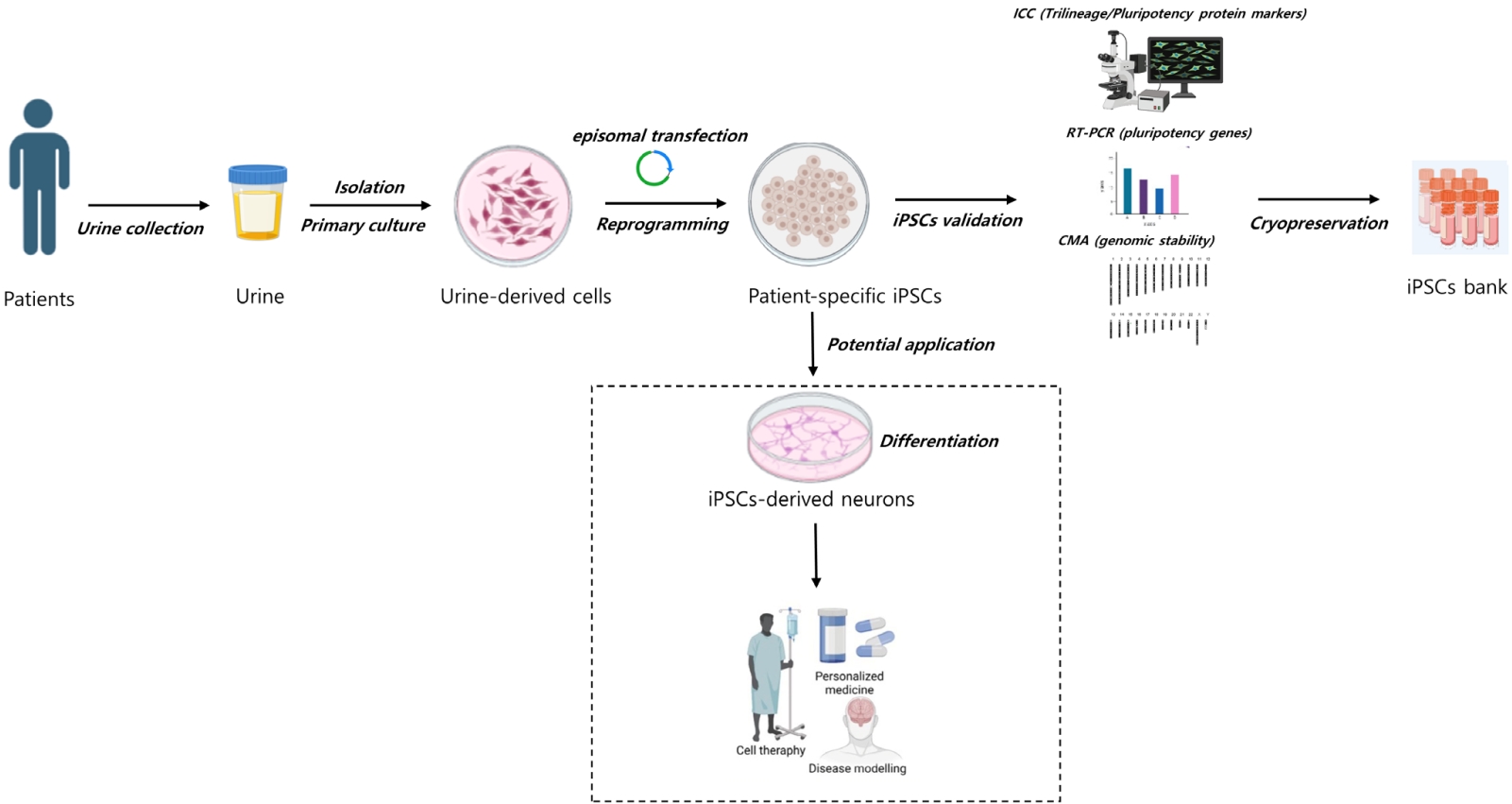
Question: What can be used to create a reliable supply of somatic cells for induced pluripotent stem cells (iPSCs) generation and standardize procedures for building an iPSC bank for researching pediatric neurogenetic disorders? Findings: Noninvasively acquired urine cells are a desirable cell source for iPSC reprogramming. Meaning: An iPSC bank can be created from diverse patient cell sources and offer a useful resource for translating research results into clinical therapy for pediatric neurogenetic disorders. |
|
|
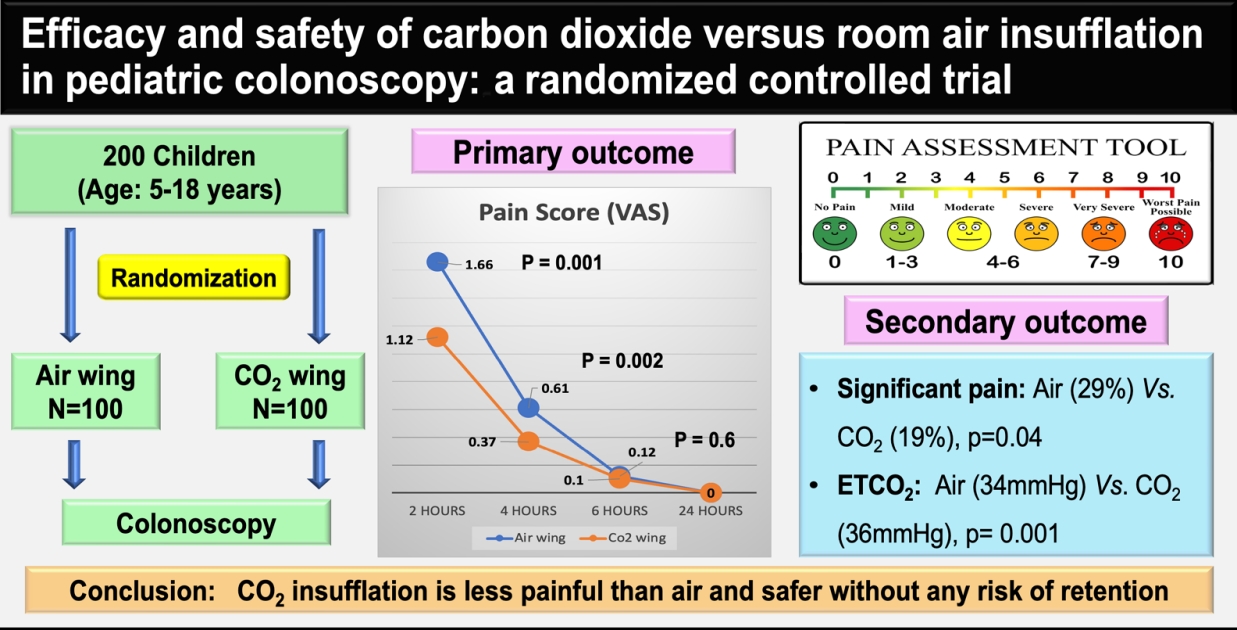
CO2 insufflation has been used instead of air insufflation to reduce postprocedure pain and discomfort in adults; however, adequately powered studies in children are scarce. This randomized controlled trial of 200 children showed that CO2 insufflation reduces postprocedure pain and discomfort during pediatric colonoscopy with no signs of CO2 retention. CO2 insufflation is safe and causes less pain in children. |
| Protocolized sedation may reduce ventilation requirements, pediatric intensive care unit length of stay, and sedative exposure. However, it may increase the likelihood of unplanned extubation, highlighting the importance of incorporating preventive measures to mitigate this risk. |
|
|
· Infection remains a leading cause of death in febrile neutropenia (FN). · Mid-regional pro-adrenomedullin (MR-ProADM) levels are higher among patients with FN and a bacterial infection. · A longer FN duration and hospital stay length as well as elevated C-reactive protein, procalcitonin, and MR-ProADM levels are significant risk factors for mortality. |
|
|
· Childhood blood pressure (BP) is significantly associated with adult hypertension and cardiovascular disease. · Despite ongoing debate regarding the need for regular BP screening and early pharmacotherapy in children, the benefits of optimizing BP throughout childhood are clear. · Childhood presents a critical window for normalizing BP through lifestyle modifications such as reducing sodium intake and increasing physical activity to promote lifelong cardiovascular health and prevent longterm complications. |
|
|
Cerebral organoids obtained from human induced pluripotent stem cells are transforming the study of pediatric neurological diseases by providing more accurate models of human brain development and pathology. These advancements have improved pathology modeling and the potential for novel therapeutic approaches despite existing challenges such as reproducibility and vascularization. |
|
|
Studies indicate potential connections between exposure to endocrine-disrupting chemicals (EDCs) and childhood obesity. Variations in the impact of EDCs in epidemiological studies may result from differences in exposure concentrations and timing, measurement methods, and interactive effects of multiple EDCs. Longitudinal studies on exposure to multiple EDCs are crucial to elucidating their contribution to pediatric obesity and minimize the adverse health consequences of EDC exposure. |
|
|
Question: Is the tumor necrosis factor (TNF) signaling pathway (TNF-α-converting enzyme [TACE]/TNF-α/angiotensin converting enzyme [ACE]) involved in pediatric coronavirus disease 2019 (COVID-19) infection? Finding: Significantly increased circulating TACE/TNF-α and decreased ACE2 levels were noted. TNF-α-308G/A plays a significant role in susceptibility to COVID-19 infection among children. The ACE (I/D) (rs4646994) and ACE2 (rs2285666) single nucleotide polymorphisms lack significant associations with pediatric COVID-19 infection. Meaning: The TNF signaling pathway participates in pediatric COVID-19 infection. |
|
|
The incidence of childhood obesity is increasing worldwide. National surveys in Malaysia have shown similar trends. This review aimed to increase our understanding of the prevalence and associated factors of childhood overweight, obesity, and excess weight in Malaysia. A systematic review and meta-analysis were conducted of studies reporting the prevalence of overweight and obesity in Malaysian children aged <18 years.... |
|
|
Question: Can a balance task with narrowed base of support indicate overall functional balance control in children with disabilities? Finding: While single-limb standing could explain overall balance control for children with disabilities, it was unrelated with balance control for typically developing children. Meaning: One balance task with narrowed base of support can be used as practical assessment of balance abilities for children with disabilities when allocated session time is of concern. |
|
|
Question: How Common is obstructive sleep apnea (OSA) in obese children? OSA is common in obese children, even without habitual snoring. Finding: Among the subjects, 60.6% had positional OSA, 40.2% had rapid eye movement-related OSA, 59.8% had desaturation, 20.5% had sleep-related hypoventilation, and 5.0% had obesity hypoventilation syndrome. Body mass index (BMI) and neck and waist circumferences were significantly associated with severe OSA. Meaning: We recommend screening obese children (BMI > 29.2 kg/m2) for OSA. |
|
|
· Milk and formula are common sources of microplastic in infants. · Water and air are the most common sources of microplastic pollution from infancy to adolescence. · Microplastic use by children of all ages can cause cell damage and affect their health. · Microplastics present in children can be quantified using a stereomicroscope and characterized using micro- Fourier transform infrared spectroscopy. |
|
|
· This study analyzed 45 randomized controlled trials (5,061 participants, 13 interventions) of the comparative efficacies of treatments for acute bronchiolitis in infants. · Inhalation therapy with epinephrine and hypertonic saline significantly reduced the length of hospital stay compared with normal saline. · Hypertonic saline had the greatest ability to improve the clinical severity score of bronchiolitis in infants younger than 2 years of age. |
|
|
The long-term effects of concussion for pediatric patient remains unclear. Children and teenagers do not experience or recover from concussion in the same manner as adults do. Concussions can cause a variety of anatomical and functional alterations. Nonpharmacological approach in pediatric concussion management is an understudied field of research with significant ability to affect prognosis and quality of life. Active rehabilitation and occupational therapy were especially promising. |
|
|
· The safety and efficacy of the two-bag versus one-bag system for treating patients with diabetic ketoacidosis (DKA) < 21 years remains unestablished. · Our meta-analysis demonstrated similar safety outcomes but sooner DKA resolution and shorter mean response time for intravenous fluid changes for the two-bag system. · This preliminary evidence suggests that the two-bag system has some advantages in efficacy, but further studies are needed to evaluate their extent. |
|
|
· Virtual reality (VR) is becoming increasingly common for entertainment and in medical settings. · VR is useful for treating children with cerebral palsy. · VR can help with attention deficit/hyperactivity disorder symptoms. · VR can decrease pain perception in children undergoing burn wound care. · VR can reduce preoperative anxiety. · VR can reduce fear and pain during needle-involving procedures. |
Clinical and Experimental Pediatrics is an open access journal. All articles are distributed under the terms of the Creative Commons Attribution NonCommercial License (http://creativecommons.org/licenses/by-nc/4.0/)
Copyright © 2026 by Korean Pediatric Society.