Search

  • HOME
  • Search
Review Article
Association between surgical repair timing and mortality in neonates with congenital diaphragmatic hernia: a systematic review and meta-analysis
Veerabhadra Radhakrishna, Bharathi Balachander, Sanjana Hansoge Somanath, Hejmady Aneesh Shenoy, Srinivas Balachander
Congenital diaphragmatic hernia (CDH) is a rare congenital anomaly whose management involves a complex interplay between medical and surgical treatments. Stabilization prior to surgery is vital. However, the optimal timing of surgical repair and its relationship with mortality remain unknown. Hence, this meta-analysis aimed to evaluate the association between repair timing and mortality in neonates with CDH. A systematic review...
Antibiotic pretreatment and culture yield in pediatric osteoarticular infection: a systematic review and meta-analysis
Mohamad Shieb, Caroline Decesare, Guyu Li, Elizabeth Ristagno
Whether early antibiotic administration compromises microbiological tissue culture yield in children with suspected osteoarticular infection remains a common clinical concern, yet the underlying evidence has never been pooled. We performed a systematic review and meta-analysis to quantify the association between antibiotic pretreatment and tissue culture yield in pediatric osteomyelitis and septic arthritis. MEDLINE (PubMed) and Embase (Ovid) were searched from...
Immunology
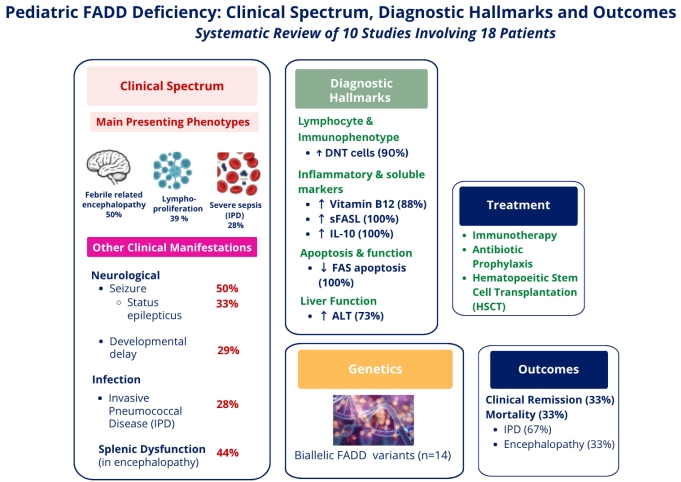
Current review of pediatric Fas-associated death domain protein deficiency: expanding clinical and therapeutic perspectives
Chuin-Hen Liew, Kah Kee Tan, Jelitha Ramachanderam, Sin Yee Teo, Khuen Foong Ng
Clin Exp Pediatr. 2026;69(10):762-772.   Published online September 4, 2026
Fas-associated death domain protein deficiency expands beyond a severe infantile immunodeficiency to a broader clinical spectrum in children involving autoimmunity, autoinflammation, and susceptibility to bacterial and viral infections. This review highlights recurrent febrile encephalopathy, invasive pneumococcal disease, and liver dysfunction as key features and identifies later-onset and self-limiting phenotypes.
Emergency Medicine
Reconciling conflicting evidence on stress ulcer prophylaxis in critically ill children: a systematic review and meta-analysis
Hiroyuki Oikawa, Shotaro Nozaki, Munehiro Furuichi
Clin Exp Pediatr. 2026;69(9):694-703.   Published online August 24, 2026
By appraising all nonrandomized studies using the ROBINS-I V2 (Risk Of Bias In Non-randomized Studies of Interventions, version 2) and finding them at critical risk of confounding, we restricted the synthesis to randomized trials. Stress ulcer prophylaxis (SUP) showed no demonstrated benefit; the previously reported mortality signal was not reproduced, and an exploratory signal of increased central line-associated bloodstream infection could not be excluded. With very low overall certainty, current evidence is insufficient to support routine SUP.
Original Article
Cardiology
Red cell distribution width and reticulocyte hemoglobin content as predictors of iron depletion in children with cyanotic congenital heart disease
Hanyudh Prichayudh, Kanhatai Chiengthong, Khwaunrat Whaidee, Navaporn Phiphattanatikanunt, Vidhavas La-orkhun, Pornthep Lertsapcharoen
Clin Exp Pediatr. 2026;69(9):706-712.   Published online July 29, 2026
Question: Are red cell distribution width (RDW) and reticulocyte hemoglobin content (CHr) reliable alternative markers for detecting iron depletion in children with cyanotic congenital heart disease, whose status is often masked by compensatory polycythemia?
Finding: Multivariate analysis demonstrated that RDW (≥18.8%) and CHr (<28 pg) are strong independent predictors of iron depletion in this vulnerable population.
Meaning: Combined use of these accessible markers facilitates earlier diagnosis and improves clinical management in resource-limited healthcare facilities.
Neonatology (Perinatology)
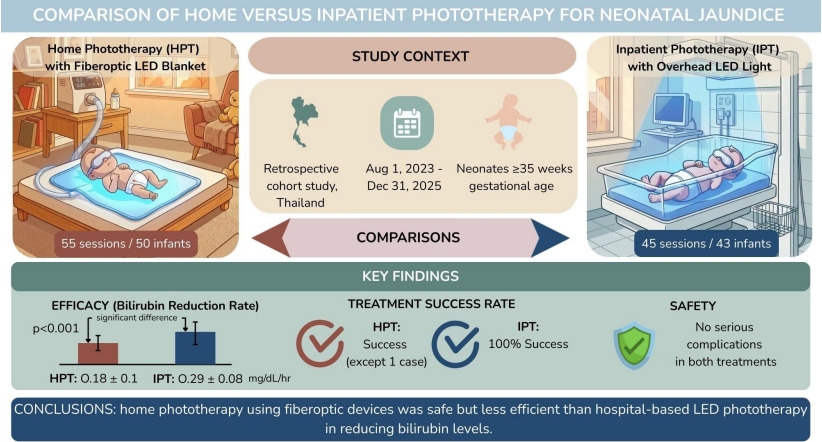
Efficacy and safety of home-based fiberoptic blanket versus hospital-based light-emitting diode phototherapy for neonatal jaundice: a retrospective cohort study from Thailand
Chayatat Ruangkit, Thanyathorn Thaninjeerawat, Saitarn Klaidangklum, Saowalak Prasopa, Pongsakorn Atiksawedparit, Sasivimon Soonsawad
Clin Exp Pediatr. 2026;69(8):655-664.   Published online July 1, 2026
Question: Is a home-based fiberoptic phototherapy blanket as effective and safe as hospital-based overhead light-emitting diode phototherapy for the treatment of neonatal jaundice?
Finding: Home phototherapy (HPT) resulted in a slower bilirubin reduction rate than inpatient phototherapy (IPT); however, both modalities achieved the therapeutic targets without phototherapy-related complications.
Meaning: With careful patient selection, structured monitoring, and reliable follow-up, HPT is a safe and feasible alternative to IPT for neonatal jaundice.
Other
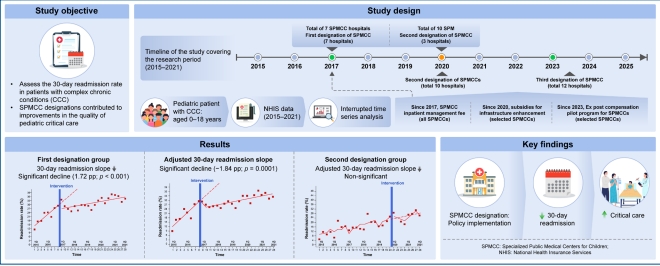
Did government subsidy program improve quality of care for children with complex chronic conditions in children’s hospitals? A quasi-experimental study in South Korea
Riyoung Na, Myoung-Hee Kim, Seok-Jun Yoon
Clin Exp Pediatr. 2026;69(7):582-592.   Published online May 28, 2026
Question: Do government-funded Specialized Public Medical Centers for Children (SPMCCs) improve the quality of care for pediatric patients requiring complex and intensive medical care?
Finding: The SPMCC hospital designation reduced 30-day readmission rates among pediatric patients with severe conditions.
Meaning: Government investments are associated with improved quality of care for children with complex chronic conditions. Therefore, sustained government funding is essential to enhancing pediatric care quality.
Review Article
Allergy
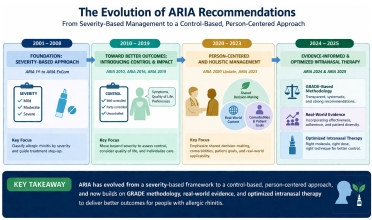
Update on pediatric allergic rhinitis: narrative review based on guideline updates
Jung Yeon Shim
Clin Exp Pediatr. 2026;69(6):473-483.   Published online May 28, 2026
Intranasal corticosteroids remain the cornerstone treatment for moderate to severe allergic rhinitis. The 2024–2025 Allergic Rhinitis and its Impact on Asthma guideline update suggests that fixed intranasal antihistamine–intranasal corticosteroid combinations may provide greater symptom control in allergic rhinitis than either agent alone. A control-based patient-centered approach that incorporates real-world evidence is essential for optimizing treatment outcomes in children.
Original Article
Neurology
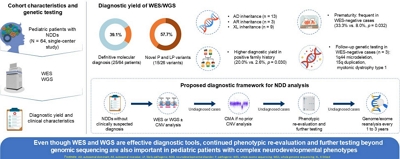
Clinical application of whole exome and genome sequencing in pediatric neurodevelopmental disorders
Keun Soo Lee, Seung Hwan Oh, Ja Young Lee, Go Hun Seo, Da Eun Roh, Ji Kyoung Park, Bo Lyun Lee
Clin Exp Pediatr. 2026;69(5):417-427.   Published online April 22, 2026
Question: What is the diagnostic utility of whole exome sequencing (WES) and whole genome sequencing (WGS) in unexplained neurodevelopmental disorders (NDDs)?
Finding: WES and WGS achieved a combined diagnostic yield of 39.1% in children with NDDs. Novel variants accounted for over half the pathogenic findings, and trio-based or phenotype-driven testing improved the diagnostic rate.
Meaning: Comprehensive genomic sequencing integrated with clinical phenotyping enhances diagnostic yield among children with NDDs.
Review Article
Neonatology (Perinatology)
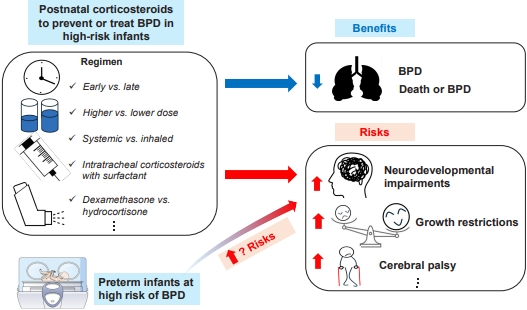
Optimal postnatal corticosteroid regimens to prevent bronchopulmonary dysplasia with minimal adverse effects
Ga Won Jeon
Clin Exp Pediatr. 2026;69(4):293-300.   Published online March 27, 2026
Postnatal corticosteroids facilitate ventilator weaning and reduce the risk of bronchopulmonary dysplasia (BPD). Despite being commonly used in high-risk infants, administration guidelines have not been established. Early dexamethasone may cause neurodevelopmental harm, and the optimal dosing remains uncertain. Inhaled corticosteroids show inconclusive benefits, whereas intratracheal administration with surfactant appears promising. Thus, corticosteroids should be used cautiously in high-risk, ventilator-dependent infants with severe BPD, and further high-quality trials are needed.
Original Article
Neurology
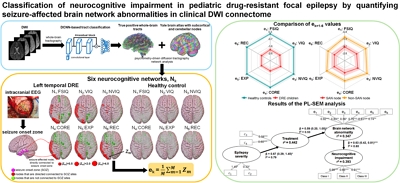
Classification of neurocognitive impairment in pediatric drug-resistant focal epilepsy by quantifying seizure-affected brain network abnormalities in clinical diffusion-weighted imaging connectome
Jeong-Won Jeong, Min-Hee Lee, Yoon Ho Hwang, Michael Behen, Aimee Luat, Csaba Juhász, Eishi Asano
Clin Exp Pediatr. 2026;69(5):443-454.   Published online March 13, 2026
Question: Does epilepsy affect neurocognitive functions in pediatric drug-resistant focal epilepsy?
Finding: Diffusion magnetic resonance imaging (MRI) connectome could identify new imaging markers for seizure-associated structural abnormalities. New markers reflect deviations of local efficiency in neurocognitive networks and provide outstanding discretionary capacity for neurocognitive impairments, achieving an accuracy range of 90%–98% in the independent test patients.
Meaning: Supplementary MRI-driven decisions could be performed for personalized interventions to mitigate long-term neurocognitive effects.
Hematology
Outcomes of hematopoietic stem cell transplantation for pediatric patients with transfusion-dependent thalassemia in Thailand
Kleebsabai Sanpakit, Kamala Laohverapanich, Bunchoo Pongtanakul, Nattee Narkbunnam, Chayamon Takpradit, Usanarat Anurathapan, Samart Pakakasama, Supanun Lauhasurayotin, Kanhatai Chiengthong, Thirachit Chotsampancharoen, Pornpun Sripornsawan, Piya Rujkijyanont, Duantida Songdej, Nongnuch Sirachainan, Suradej Hongeng
Clin Exp Pediatr. 2026;69(4):340-352.   Published online March 13, 2026
Question: Can hematopoietic stem cell transplantation (HSCT) cure pediatric transfusion-dependent thalassemia in Thailand? What influences its outcomes?
Finding: Among 266 HSCT procedures, 5-year overall survival and event-free survival rates were 91.3% and 81.0%, respectively. Outcomes were comparable between related and unrelated donors. Pre-HSCT ferritin >2,500 ng/mL, low CD34+ cell dose, and oral busulfan conditioning were associated with unfavorable survival. Longterm complications affected 22.7% of survivors.
Meaning: Optimizing pre-HSCT care, ensuring adequate grafting, and long-term surveillance are crucial.
Neurology
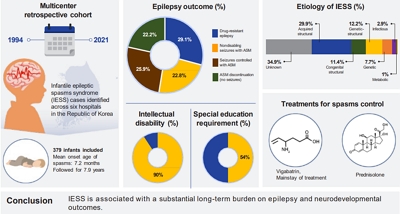
Long-term outcome in children with infantile epileptic spasms syndrome: a multicenter retrospective study in Korea
Sun Ah Choi, Minhye Kim, Hye Jin Kim, Woo Joong Kim, Byung Chan Lim, Ji Yeon Han, Hunmin Kim, Min-Jee Kim, Mi-Sun Yum, Jiwon Lee, Jeehun Lee, Hyewon Woo, Jon Soo Kim
Clin Exp Pediatr. 2026;69(5):386-393.   Published online February 19, 2026
Question: How have epilepsy and cognitive outcomes of children with infantile epileptic spasms syndrome (IESS) evolved over the past 20 years?
Finding: Approximately 78% of children developed chronic epilepsy, and one-third progressed to drug-resistant epilepsy, while 90% of them exhibited intellectual disabilities.
Meaning: Given the poor outcomes associated with IESS, consensus guidelines tailored to Korean clinical practice are required to ensure timely treatment and improve outcomes.
Cardiology
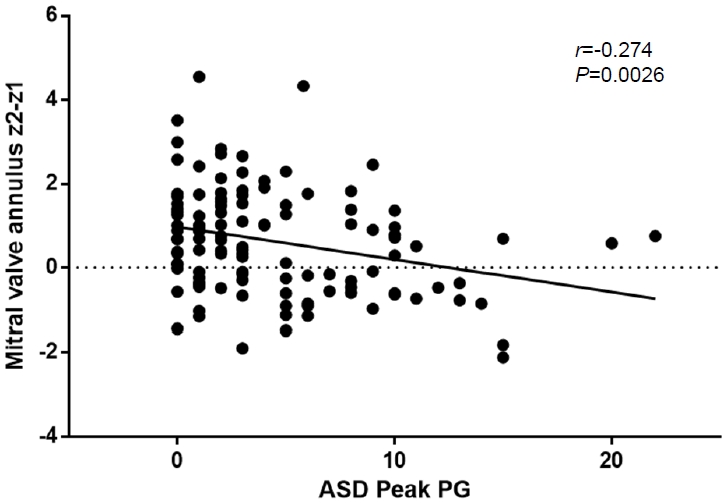
Influence of atrial septal defect on mitral valve growth after repair of coarctation of the aorta or an interrupted aortic arch in infants
Yi-Chia Wang, Heng-Wen Chou, Chi-Hsiang Huang, Hsing-Hao Huang, Yih-Sharng Chen, En-Ting Wu, Shyh-Jye Chen, Ming-Tai Lin, Shuenn-Nan Chiu, Shu-Chien Huang
Clin Exp Pediatr. 2026;69(4):322-329.   Published online January 13, 2026
Question: Does atrial septal defect (ASD) physiology affect postrepair mitral valve growth in patients with coarctation of the aorta or an interrupted aortic arch?
Finding: Mitral valve growth occurred after biventricular repair but not single-ventricle palliation, particularly in patients with small valves and low ASD pressure gradients.
Meaning: The ASD pressure gradient determines mitral valve growth and should guide surgical strategies in patients with borderline hypoplastic left heart syndrome.
Neonatology (Perinatology)
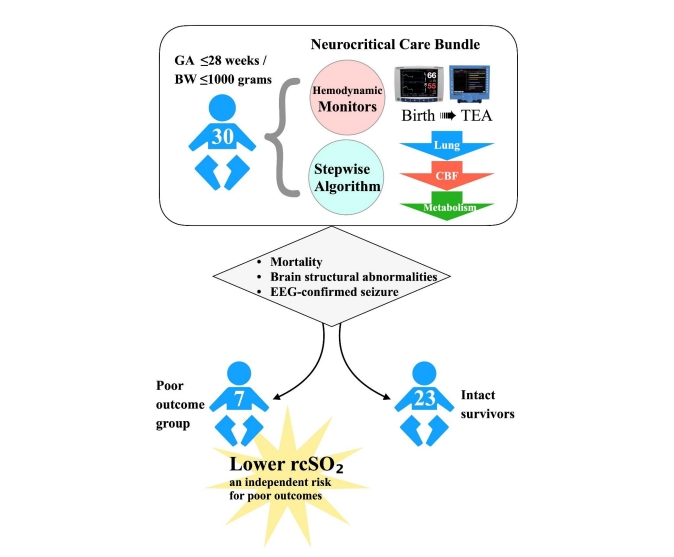
Prolonged cerebral oxygenation surveillance with algorithm-based management: a neurocritical care bundle for extremely preterm infants
Kai-Hsiang Hsu, Wei-Hung Wu, Shu-Yu Lin, Chih-Chen Chang, Mei-Yin Lai, I-Hsyuan Wu, Shih-Ming Chu, Ming-Chou Chiang, Reyin Lien
Clin Exp Pediatr. 2026;69(4):304-312.   Published online December 22, 2025
Question: Is prolonged monitoring of regional cerebral oxygen saturation (rcSO2) and hemodynamic parameters a feasible approach? Can these measures predict the neurological outcomes in extremely preterm infants?
Finding: We used a neurocritical care bundle from birth to discharge or term-equivalent age. Infants with poor outcomes had significantly lower rcSO2 values.
Meaning: Understanding rcSO2 and hemodynamic parameters may help manage cerebral hypoxia and reduce neurological complications in extremely preterm infants.
Review Article
Gastroenterology
Ingestion of foreign bodies and caustic substances in children: a narrative review on clinical evaluation and management update
Maria Rogalidou
Clin Exp Pediatr. 2026;69(1):11-21.   Published online December 10, 2025
Foreign body and caustic substance ingestion in children aged 1–5 years can feature to severe and, sometimes life-threatening complications. High-risk items include batteries, magnets, and corrosive chemicals. Severity depends on object type, location, and ingestion timing. Prompt diagnosis and early endoscopic intervention are crucial. Individualized management, high clinical suspicion, and parental education are essential to improving outcomes and preventing immediate and long-term complications affecting a child’s quality of life.
Original Article
Nephrology (Genitourinary)
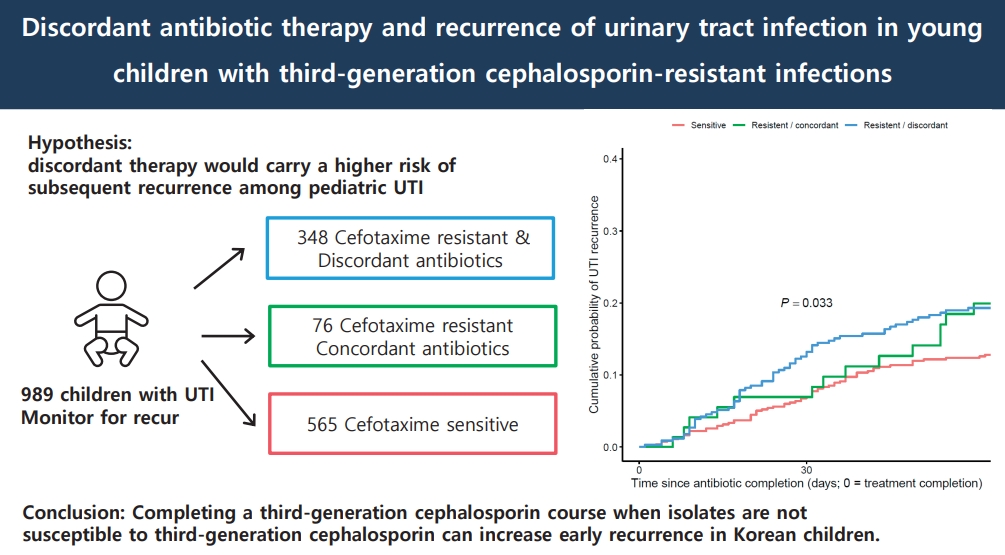
Discordance between antibiotic therapy and recurrent urinary tract infections in young children with third-generation cephalosporin-resistant infections
Yusin Kim, Hyun A Lee, Gil Lee, Kyungseok Park, Ye Kyung Kim, Peong Gang Park
Clin Exp Pediatr. 2026;69(3):228-235.   Published online November 26, 2025
Question: Does completing a third-generation cephalosporin course, despite in vitro resistance, increase the early urinary tract infection recurrence rate in children?
Finding: Among 989 Korean children, discordant therapy increased the 2-month recurrence risk by 40% compared with concordant or susceptible therapy.
Meaning: Checking isolate susceptibility and switching to an active oral drug may curb recurrence and limit the use of broad-spectrum antibiotics.
Review Article
Oncology
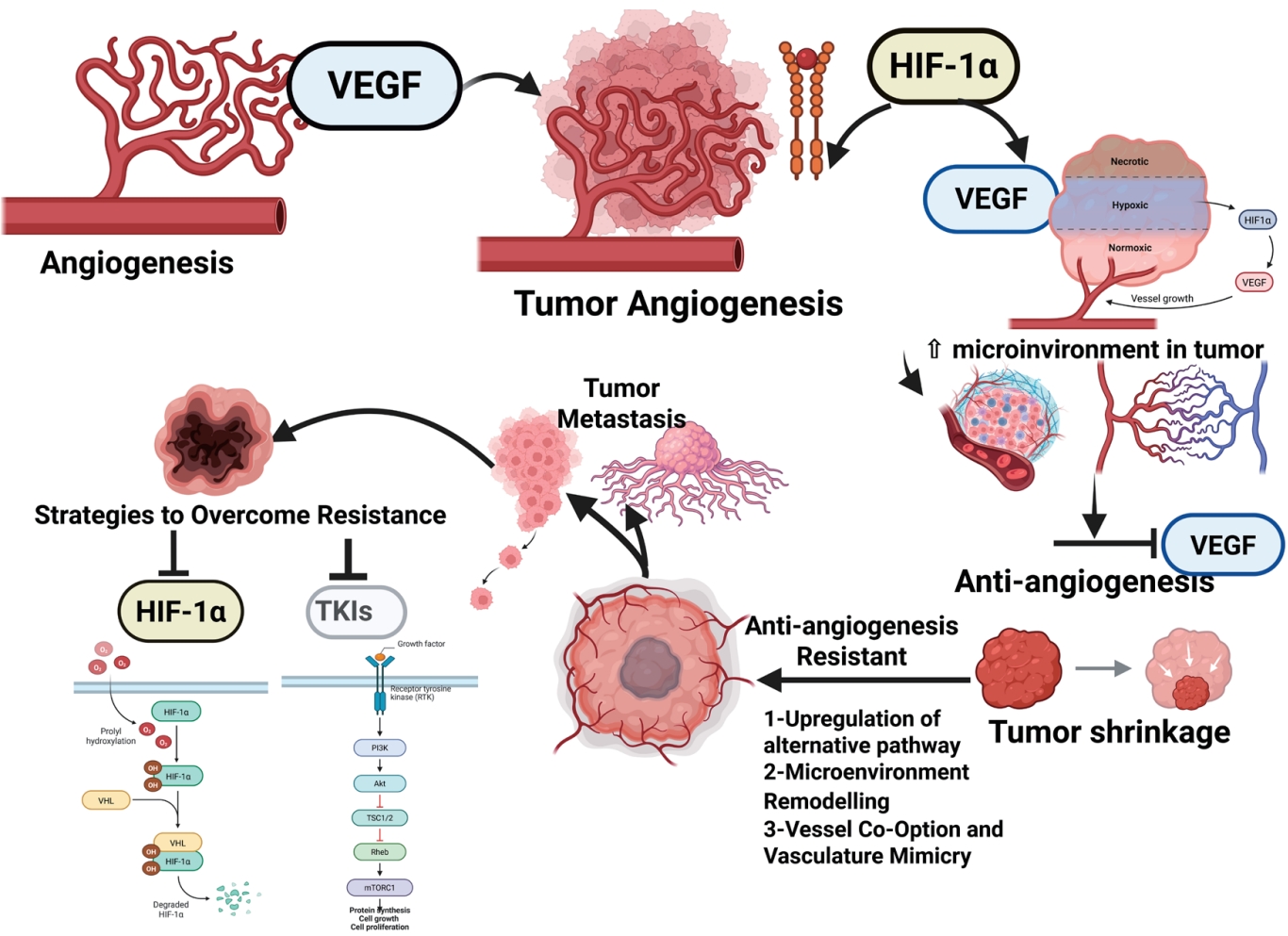
Breaking the barrier: a guidelines-based review of antiangiogenesis drug resistance in pediatric cancer therapy
Nader Shakibazad, Mahdi Shahriari, Mani Ramzi
Clin Exp Pediatr. 2025;68(12):952-962.   Published online November 24, 2025
Antiangiogenic therapy resistance in pediatric cancers involves alternative angiogenic pathways, microenvironmental support, hypoxia-driven signaling, metabolic reprogramming, and structural adaptations such as vascular co-option. Metabolic adaptation highlights tumor plasticity. Effective treatments combine immunotherapy with biomarkers. To address vascular endothelial growth factor limitations, emerging targets include hypoxia-inducible factor-2α, endoglin, CXCR4, angiopoietin/Tie2, and bispecific antibodies. In resource-constrained settings, the guidelines recommend low-dose chemotherapy plus oral multiantiangiogenic agents to ensure improved accessibility and treatment outcomes.
Original Article
General Pediatrics
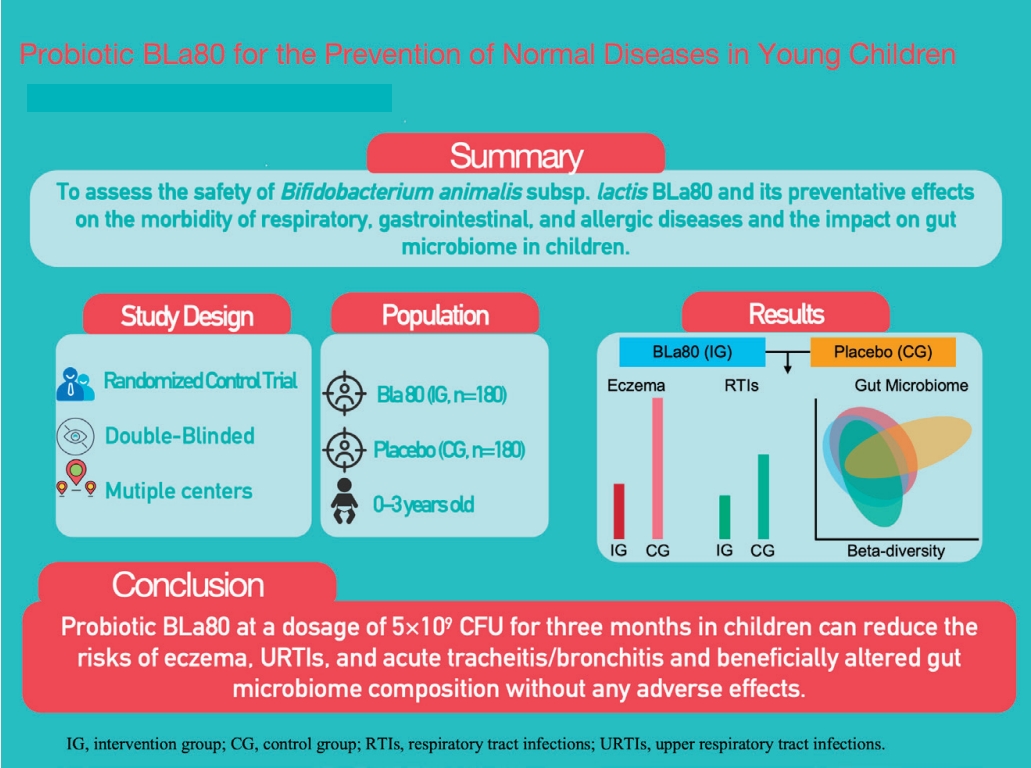
Bifidobacterium animalis subsp. lactis BLa80 for preventing allergic, respiratory, and gastrointestinal diseases in young children in China: a randomized double-blind placebo-controlled trial
Ke Chen, Xi Zhang, Kaihong Zeng, Jiayi Zhong, Shanshan Jin, Yang Nie, Ping Yang, Nianyang He, Haixia Chen, Yanmei Cao, Yunrong Fu, Ziji Fang, Wei Jiang, Changqi Lium
Clin Exp Pediatr. 2026;69(2):150-162.   Published online October 30, 2025
Question: Can probiotic BLa80 bring long-term benefits to the health of young children?
Finding: This trial demonstrated that the daily administration of s BLa80 at 5×10⁹ colony-forming units for 3 months in children can reduce the risk of eczema, upper respiratory tract infections, and acute tracheitis/bronchitis as well as beneficially improve the gut microbiome without any adverse effect.
Meaning: Bla80 can bring definite health benefits to young children.
Comparative analysis of goal attainment for helmet therapy versus conservative management for positional plagiocephaly in infants
Bjoern Vogt, Ariane Deutschle, Georg Gosheger, Adrien Frommer, Andrea Laufer, Henning Tretow, Robert Roedl, Gregor Toporowski
Clin Exp Pediatr. 2025;68(11):892-900.   Published online October 2, 2025
Question: Is helmet therapy more effective than conservative management in treating positional plagiocephaly?
Finding: Both approaches reduced cranial asymmetry with comparable correction speed. Helmet therapy showed a trend toward greater severity reduction.
Meaning: Early treatment initiation was the strongest predictor of improvement. Helmet therapy may offer additional benefit in more severe cases.
Review Article
General Pediatrics
Impact of screen exposure during pediatric ages including multifaceted aggravating factors: a literature review
Daniel González-Pérez, David Sebastián Huertas-Moreno, Manuela Granados-Pinilla, Sofía Hernandez-Rojas, Laura González-Rincon, Geraldine Hurtado-Garcia, Simón Grisales-Calle, María José González-Mariño, Luz Dary Gutierrez-Castañeda, Jhon Camacho-Cruz
Clin Exp Pediatr. 2025;68(10):751-760.   Published online September 24, 2025
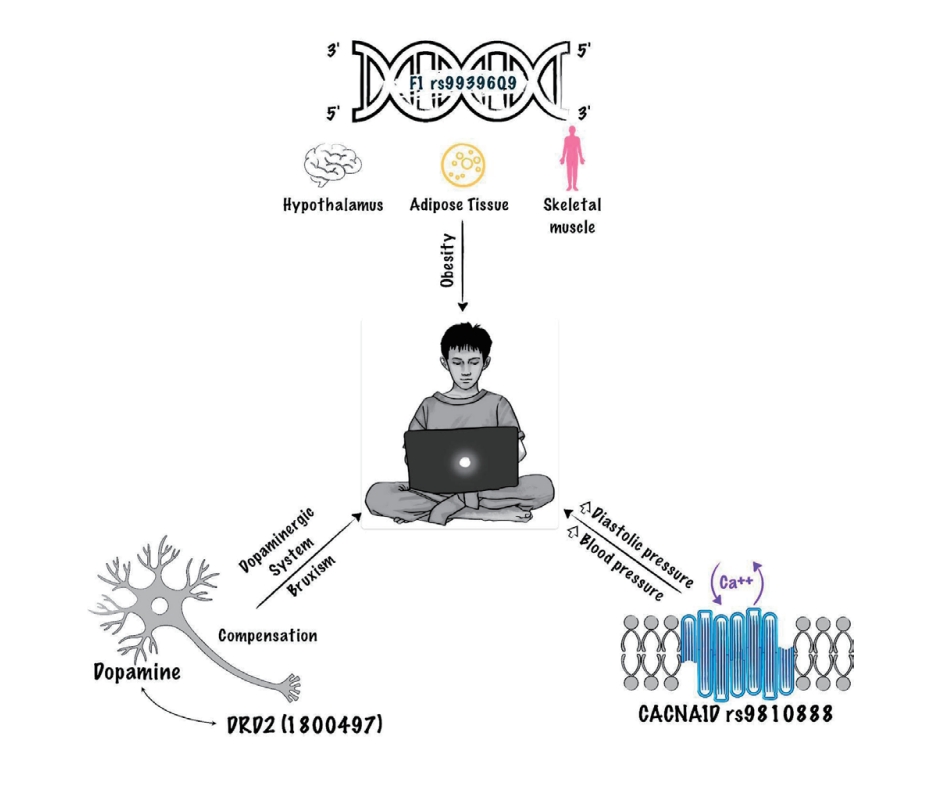
Excessive screen time in children is linked to obesity, overweight, sedentary behavior, depression and mood disorders, myopia, behavioral changes, sleep disturbances, attention deficit hyperactivity disorder, among others. Polymorphisms in genes like FTO, CACNA1D, and DRD2 could further increase these risks. Implementing strategies such as limiting screen use, creating screen-free zones, and monitoring content is essential to mitigate adverse physical and mental health effects in the pediatric population.
Original Article
Basic Research
Linezolid mitigates tissue injury in experimental model of pediatric testicular torsion: TLR-4/MAPK/NF-κB involvement
Moein Ghasemi, Abolfazl Basiri, Houman Kazemzadeh, Mohammad Amin Manavi, Seyed Mohammad Tavangar, Ahmad Reza Dehpour, Hamed Shafaroodi
Clin Exp Pediatr. 2025;68(9):700-711.   Published online August 26, 2025
Question: What pharmacological strategies can limit ischemia-reperfusion injury in pediatric patients with testicular torsion?
Finding: In a rat model of testicular torsion, linezolid reduced oxidative stress, inflammation, and tissue injury via the Toll-like receptor 4/mitogen-activated protein kinase/nuclear factor kappa beta pathway.
Meaning: Linezolid may offer a pharmacological approach to attenuate testicular damage in pediatric patients with testicular torsion, warranting further clinical investigation.
Cardiology
Vasovagal syncope and postural orthostatic tachycardia syndrome in adolescents: transcranial doppler versus autonomic function test results
Dong Won Lee
Clin Exp Pediatr. 2025;68(9):673-679.   Published online August 6, 2025
Question: Vasovagal syncope (VVS) and postural orthostatic tachycardia syndrome (POTS) are representative forms of neurally mediated syncope. What influences the occurrence of each?
Finding: Autonomic function test results did not differ, but cerebral blood flow during diastole on transcranial doppler differed between VVS and POTS.
Meaning: Differences in diastolic cerebral blood flow velocity play an important role in VVS and POTS.
Critical Care Medicine
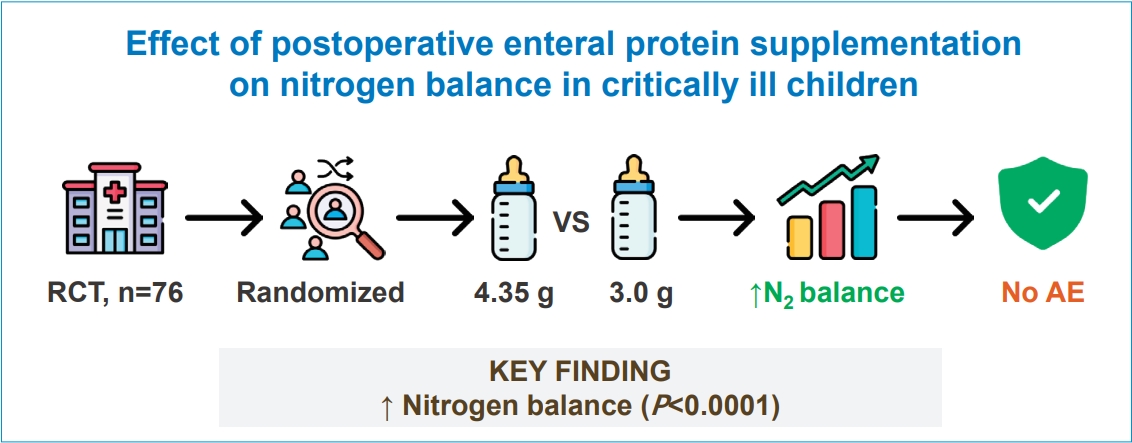
Effect of postoperative enteral protein supplementation on nitrogen balance in critically ill children
Irene Yuniar, Kadek Apik Lestari, Antonius Hocky Pudjiadi, Fatima Safira Alatas, Yoga Devaera
Clin Exp Pediatr. 2025;68(10):790-800.   Published online May 30, 2025
Question: Does high-protein enteral nutrition better increase the average nitrogen balance (NB) and decrease the intestinal fatty acid-binding protein (I-FABP) level of critically ill postoperative children than standard-protein enteral nutrition?
Finding: The study demonstrated a significant increase in average NB but no significant decrease in I-FABP levels in the high- versus low-protein group.
Meaning: These findings suggest that high-protein enteral nutrition can improve NB in critically ill postoperative children, thereby supporting their recovery.
Gastroenterology
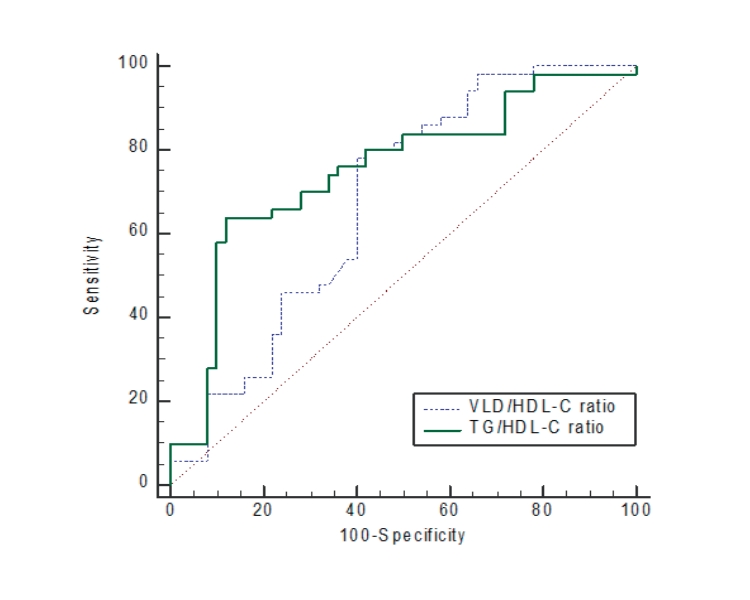
Adenosine deaminase and interleukin-1 receptor antagonist genetic polymorphisms among obese children with versus without metabolic dysfunction-associated fatty liver disease
Hala M. Sakhr, Mohammed H. Hassan, Azza Mohamed Taha, Ali Helmi Bakri
Clin Exp Pediatr. 2025;68(10):808-818.   Published online May 29, 2025
Question: Is there an association between adenosine deaminase (ADA) G22A and interleukin-1 receptor antagonist (IL-1RN) genetic polymorphisms and pediatric metabolic dysfunction-associated fatty liver disease (MAFLD)?
Finding: The GG genotype and G allele of ADA G22A were significantly associated with obesity but not pediatric MAFLD, while the *1/*2 genotype of the IL-1RN gene was significantly associated with obesity and pediatric MAFLD.
Meaning: The IL-1RN gene may contribute to pediatric MAFLD.
Review Article
Other
Cost-effectiveness of newborn screening for severe combined immunodeficiency: a systematic review
Rezwanul Rana, Syed Afroz Keramat, Moin Ahmed
Clin Exp Pediatr. 2025;68(9):628-640.   Published online April 16, 2025
Universal newborn screening for severe combined immunodeficiency (SCID) demonstrates robust cost-effectiveness across diverse high-income healthcare systems, both from healthcare and societal standpoints. Early detection yields substantial savings. While uncertainties persist, impacting precise cost-effectiveness, the overall finding is positive. Future research must prioritize enhanced data collection and statistical rigor to refine our understanding of SCID's economic impact within the Australian context.
Original Article
Hematology
Treatment and clinical outcomes of pediatric autoimmune hemolytic anemia: real-world single-center data from Korea
Young Dai Kwon, Eun Sun Jung, Yeon Jung Lim
Clin Exp Pediatr. 2025;68(7):522-529.   Published online April 16, 2025
Question: Can pediatric autoimmune hemolytic anemia (AIHA) be effectively managed using first-line steroids?
Finding: In this single-center study, pediatric patients with AIHA achieved normal hemoglobin levels within 16.5 days (range, 9.0–22.0 days) of first-line steroid treatment and maintained effective responses for 2 months.
Meaning: These outcomes highlight the efficacy of steroid treatment in pediatric versus adult AIHA and underscore the need for multicenter trials to establish standardized treatment guidelines.
Neurology
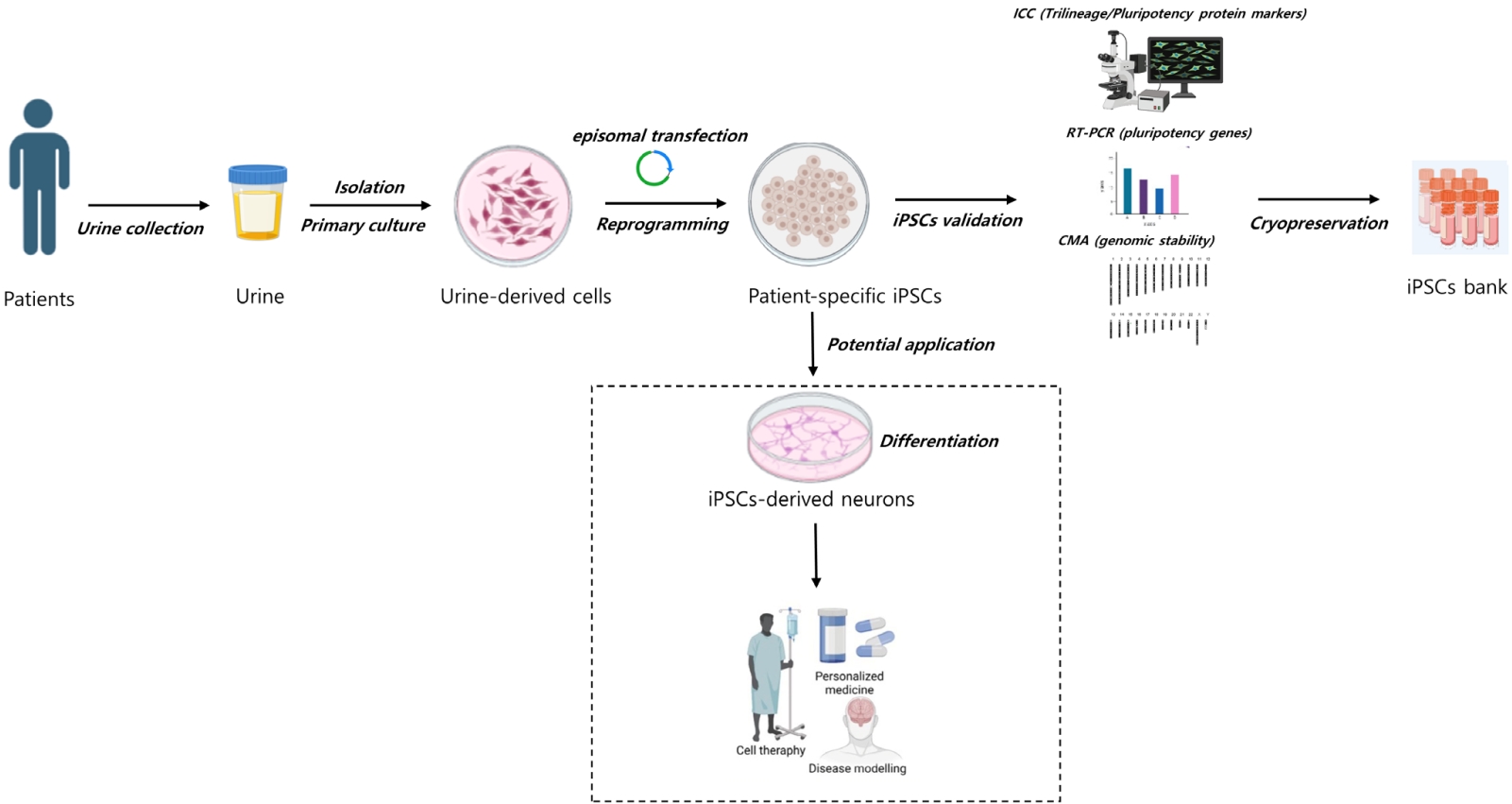
Establishing an induced pluripotent stem cell bank using urine cells from pediatric patients with neurogenetic diseases
Hien Bao Dieu Thai, WonWoo Jung, Sol Choi, Woo Joong Kim, JangSup Moon, ByungChan Lim
Clin Exp Pediatr. 2025;68(8):569-577.   Published online April 1, 2025
Question: What can be used to create a reliable supply of somatic cells for induced pluripotent stem cells (iPSCs) generation and standardize procedures for building an iPSC bank for researching pediatric neurogenetic disorders?
Findings: Noninvasively acquired urine cells are a desirable cell source for iPSC reprogramming.
Meaning: An iPSC bank can be created from diverse patient cell sources and offer a useful resource for translating research results into clinical therapy for pediatric neurogenetic disorders.
Hematology
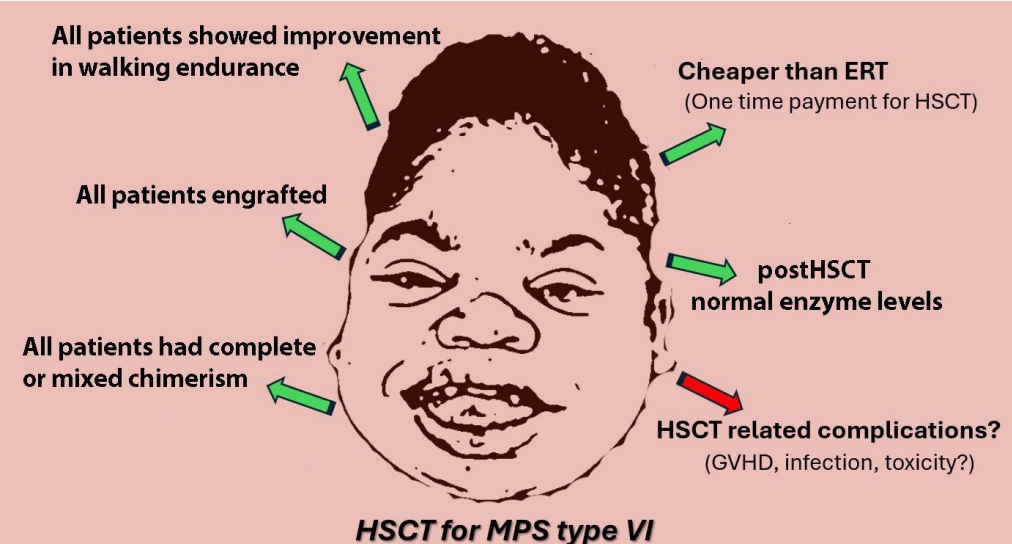
Hematopoietic stem cell transplantation in pediatric patients with type VI mucopolysaccharidosis
Vedat Uygun, Koray Yalçın, Hayriye Daloğlu, Seda Öztürkmen, Suna Çelen, Suleimen Zhumatayev, Gülsün Karasu, Akif Yeşilipek
Clin Exp Pediatr. 2025;68(8):601-607.   Published online March 11, 2025
Question: Could hematopoietic stem cell transplantation (HSCT) be an alternative to enzyme replacement therapy (ERT) for type VI mucopolysaccharidosis (MPS VI)?
Finding: HSCT is generally not offered due to reports of high toxicity and mortality. However, we detected fewer complications and graft-versus-host disease cases and no deaths with HSCT.
Meaning: HSCT is both less expensive than ERT and permanent; thus, it should be considered an alternative treatment for MPS VI.
Gastroenterology
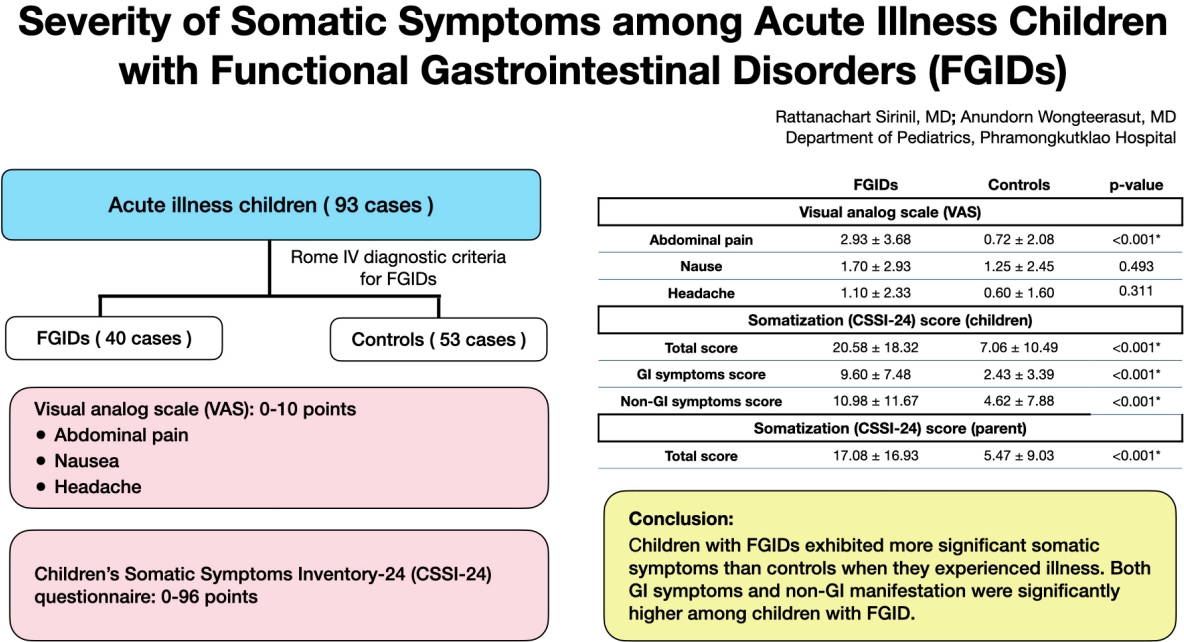
Somatic symptom severity during acute illnesses among children with functional gastrointestinal disorders
Rattanachart Sirinil, Anundorn Wongteerasut
Clin Exp Pediatr. 2025;68(8):587-593.   Published online March 11, 2025
Functional gastrointestinal disorders (FGIDs) are associated with various somatic symptoms measured using a visual analogue scale and the Children’s Somatic Symptoms Inventory-24 questionnaire. Children with FGIDs exhibited more significant somatic symptoms than controls during acute illnesses. Gastrointestinal (GI) and non-GI manifestations are significantly more common in children with FGIDs.


TOPICS

Browse all articles >

ARTICLE CATEGORY

Browse all articles >

BROWSE ARTICLES
FOR CONTRIBUTORS
ABOUT
Editorial Office
Korean Pediatric Society
#1606 Seocho World Officetel, 19 Seoun-ro, Seocho-ku, Seoul 06732, Korea
Tel: +82-2-3473-7306    Fax: +82-2-3473-7307    E-mail: office@e-cep.org                

Clinical and Experimental Pediatrics is an open access journal. All articles are distributed under the terms of the Creative Commons Attribution NonCommercial License (http://creativecommons.org/licenses/by-nc/4.0/)

Copyright © 2026 by Korean Pediatric Society.      Developed in M2PI