Most viewed
- Page Path
-
- HOME
- BROWSE ARTICLES
- Most viewed
"Most viewed" Articles are from the articles published in 2024 during the last six month.
- Review Article
- Developmental and Behavioral Medicine
- Comprehensive evaluation of the child with global developmental delays or intellectual disability
(44,290 times)
-
Abdullah Nasser Aldosari, T. Saeed Aldosari
-
Clin Exp Pediatr. 2024;67(9):435-446. Published online May 29, 2024
-

|
· A detailed history and comprehensive physical examination remain the cornerstones for establishing a diagnosis of global developmental delay/intellectual disability (GDD/ID).
· Comprehensive surveillance and screening programs play a significant role in the early detection of GDD.
· Whole-exome sequencing is highly recommended as first- or second-line testing for individuals with idiopathic GDD/ID.
· Early intervention by a well-versed multidisciplinary team can significantly improve the outcomes and prognosis of GDD/ID. |
-
-
- Endocrinology
- Growth plate closure and therapeutic interventions
(34,583 times)
-
Ja Hyang Cho, Hae Woon Jung, Kye Shik Shim
-
Clin Exp Pediatr. 2024;67(11):553-559. Published online October 28, 2024
-

|
Height gains result from longitudinal bone growth. Upon adequate growth, growth plate closure limits longitudinal bone growth. To date, gonadotropin-releasing hormone analogs, aromatase inhibitors, C-type natriuretic peptide analogs, and fibroblast growth factor receptor 3 inhibitors have been studied or used as therapeutic interventions to delay growth plate closure and increase human height. The development of more effective therapeutic modalities for short stature, precocious puberty, and skeletal dysplasia is anticipated. |
-
-
- Developmental and Behavioral Medicine
- Clinical practice guidelines for attention-deficit/hyperactivity disorder: recent updates
(29,812 times)
-
Tae Hoon Eom, Young-Hoon Kim
-
Clin Exp Pediatr. 2024;67(1):26-34. Published online June 14, 2023
-

|
· Primary pediatricians should play a key role in the diagnosis and treatment of attention-deficit/hyperactivity disorder (ADHD).
· The Diagnostic and Statistical Manual of Mental Disorders, fifth edition, has lowered the diagnostic threshold for older teens and adults and a comorbid diagnosis with autism is now allowed.
· The American Academy of Pediatrics had added recommendation-related comorbid conditions in its guideline and the Society of Developmental and Behavioral Pediatrics recently developed a complex ADHD guideline.
· The European ADHD Guideline Group recently developed a guideline for managing ADHD during the coronavirus disease 2019 pandemic. |
-
-
- Other
- Myopia: a review of current concepts, association with nonophthalmological conditions, and treatment strategy in children and adolescents
(18,817 times)
-
Yeon Woong Chung
-
Clin Exp Pediatr. 2025;68(8):554-565. Published online April 1, 2025
-
|
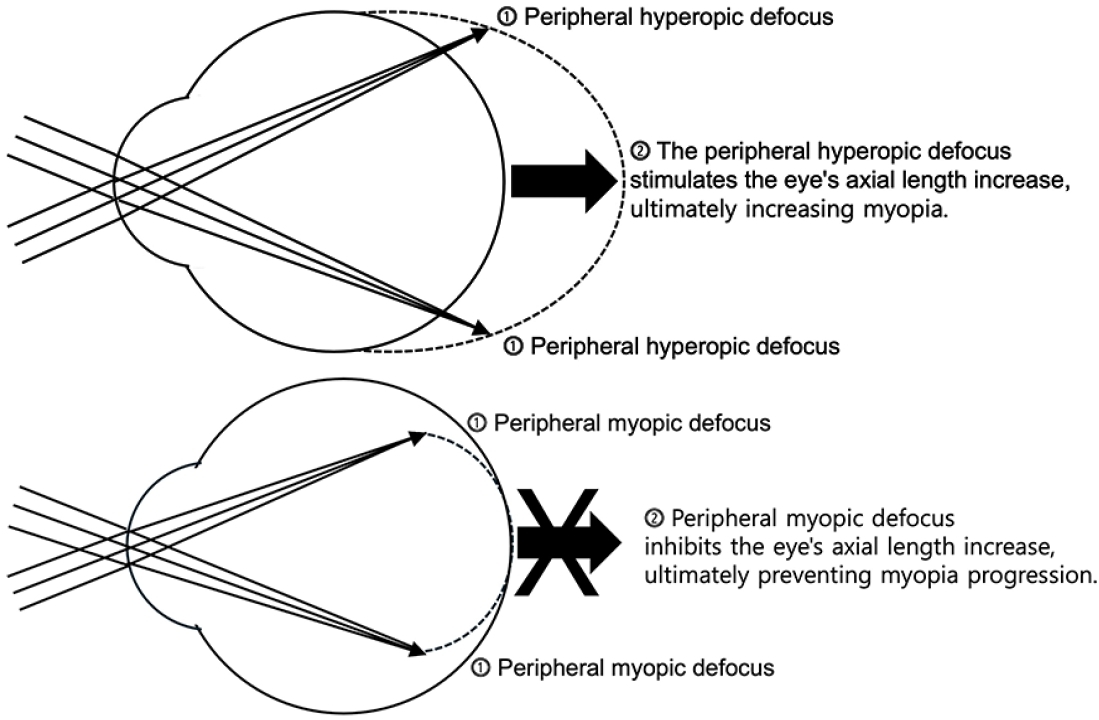
Myopia is a major ophthalmological disorder with increasing prevalence worldwide, particularly in East Asia. Evidence indicates that its development involves complex interactions between genetic and environmental factors. Body stature, sleep patterns, and nutritional status significantly influence the progression of myopia during childhood and adolescence. Its treatment and prevention strategies include optical correction, atropine therapy, increased outdoor activity, decreased near work, and regular retinal monitoring. |
-
-
- Infection
- Community-acquired pneumonia in children: updated perspectives on its etiology, diagnosis, and treatment
(17,283 times)
-
Ki Wook Yun
-
Clin Exp Pediatr. 2024;67(2):80-89. Published online June 14, 2023
-
|
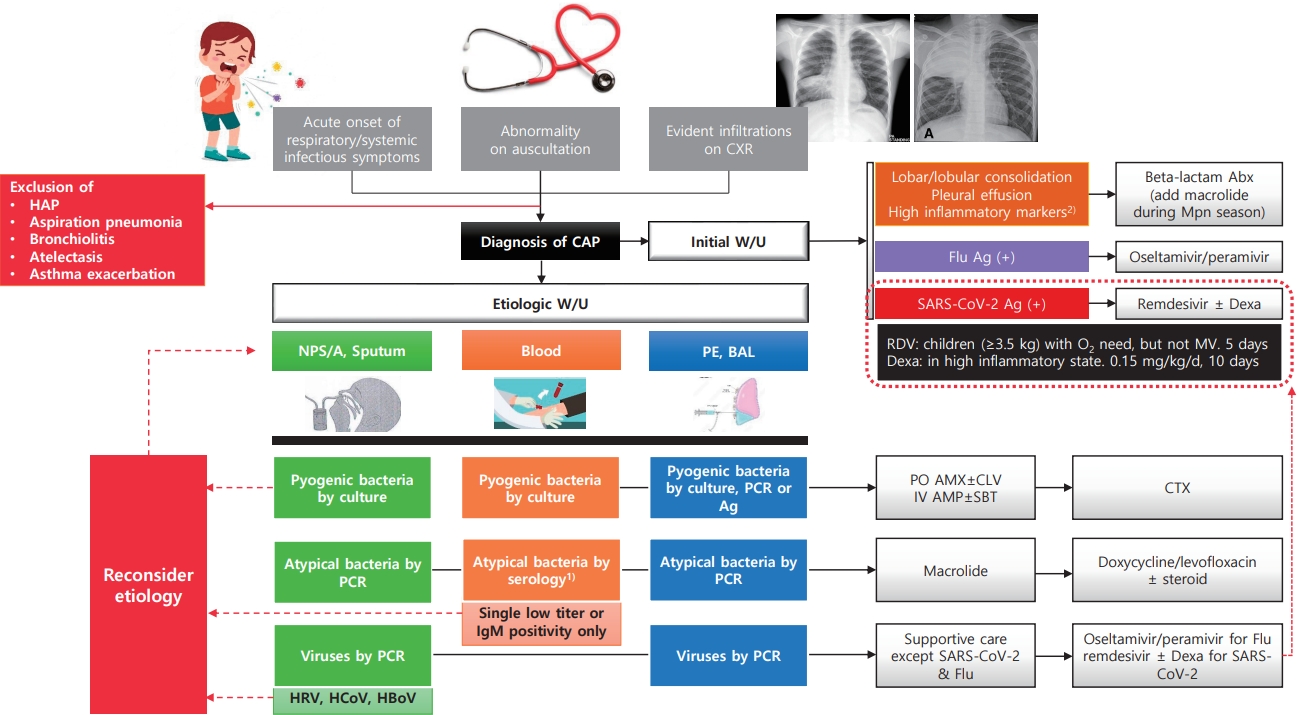
· Most commonly confirmed causes of community-acquired pneumonia (CAP) in children are Mycoplasma pneumoniae (8%–40%) and respiratory syncytial virus (15%–20%).
· Pyogenic bacteria, most commonly Streptococcus pneumoniae (40%–50%) and Streptococcus pyogenes (10%–25%), are detected in 2%–5% of children hospitalized with CAP.
· CAP should be diagnosed conservatively according to clinical and radiological criteria.
· The etiology should be identified via appropriate test result interpretation. |
-
-
- Neonatology (Perinatology)
- Demographic transition in South Korea: implications of falling birth rates
(16,066 times)
-
Chae Young Kim, Sung-Hoon Chung
-
Clin Exp Pediatr. 2024;67(10):498-509. Published online June 27, 2024
-

|
· Since 1960, South Korea's TFR decreased from 6.33 to 0.78 in 2022, below the 2.1 replacement level since 1983, with women's average age at first marriage rising to 31.3 in 2022.
· Policies needed: financial incentives, longer parental leave, better childcare.
· The U.S. (15.3% immigrants) and Germany (18.8%) use immigration to maintain demographic stability, a strategy South Korea is considering. |
-
-
- Allergy
- Update on pediatric allergic rhinitis: narrative review based on guideline updates
(15,737 times)
-
Jung Yeon Shim
-
Clin Exp Pediatr. 2026;69(6):473-483. Published online May 28, 2026
-
|
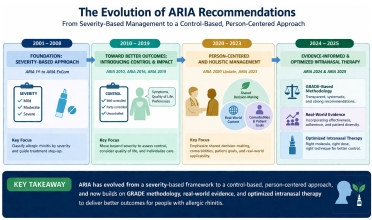
Intranasal corticosteroids remain the cornerstone treatment for moderate to severe allergic rhinitis. The 2024–2025 Allergic Rhinitis and its Impact on Asthma guideline update suggests that fixed intranasal antihistamine–intranasal corticosteroid combinations may provide greater symptom control in allergic rhinitis than either agent alone. A control-based patient-centered approach that incorporates real-world evidence is essential for optimizing treatment outcomes in children. |
-
-
- Original Article
- Developmental and Behavioral Medicine
- Characteristics of temper tantrums in 1–6-year-old children and impact on caregivers
(14,842 times)
-
Warangkana Prutipaisan, Issarapa Chunsuwan, Tippawan Hansakunachai, Paskorn Sritipsukho
-
Clin Exp Pediatr. 2025;68(2):170-177. Published online November 13, 2024
-
|
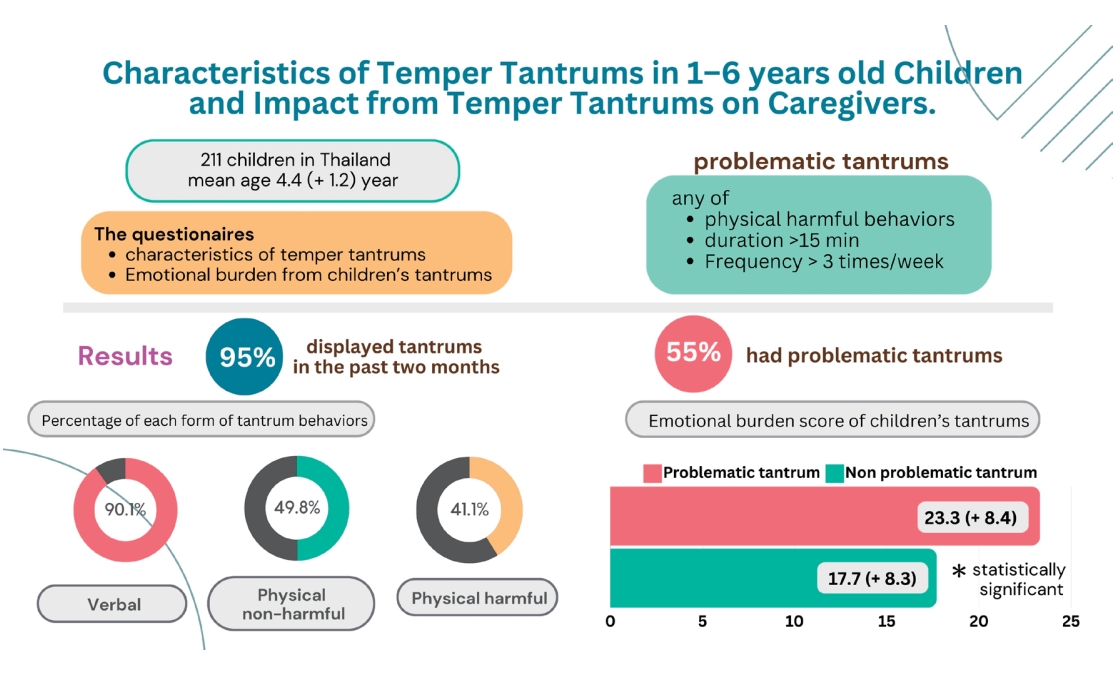
Question: What are common tantrum behaviors in preschool children, and how frequently are problematic behaviors observed? Do problematic tantrums have a different emotional impact on caregivers compared to typical tantrums?
Finding: Temper tantrums are common in preschool children, and verbal tantrums are the most common type.
Meaning: Problematic tantrums, defined as tantrums exhibiting aggressive physical behavior, long duration (>15 minutes), or frequent occurrence (>3 days/wk), significantly affected caregivers’ emotions. |
-
-
- Neonatology (Perinatology)
- Effect of high-frequency oscillatory ventilation with intermittent sigh breaths on carbon dioxide levels in neonates
(14,317 times)
-
Kulthida Baingam, Anucha Thatrimontrichai, Manapat Praditaukrit, Gunlawadee Maneenil, Supaporn Dissaneevate
-
Clin Exp Pediatr. 2025;68(2):178-184. Published online November 13, 2024
-
|
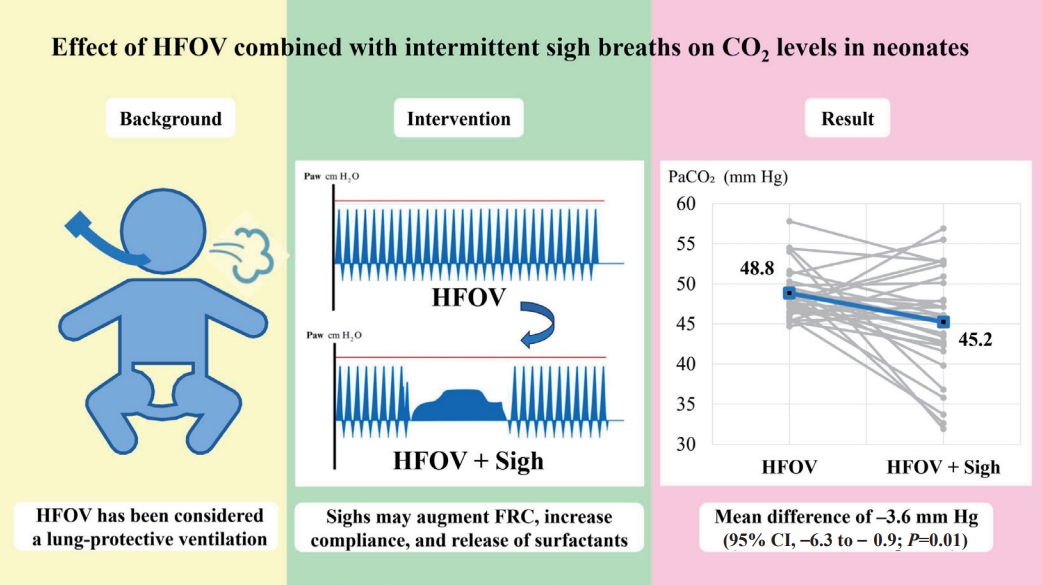
Question: Can sigh breaths (Sighs) application during high-frequency oscillatory ventilation (HFOV) decrease partial pressure of carbon dioxide (PaCO2) levels?
Finding: The mean PaCO2 level after Sighs during HFOV was significantly decreased compared to that after HFOV alone (mean difference, -3.6 mmHg).
Meaning: HFOV plus Sighs functionality can reduce PaCO2 levels. However, further studies are required to conclusively determine the effects of Sighs. |
-
-
- Review Article
- Other
- Acetaminophen causes neurodevelopmental injury in susceptible babies and children: no valid rationale for controversy
(13,119 times)
-
Lisa Zhao, John P. Jones, Lauren G. Anderson, Zacharoula Konsoula, Cynthia D. Nevison, Kathryn J. Reissner, William Parker
-
Clin Exp Pediatr. 2024;67(3):126-139. Published online June 14, 2023
-

|
Despite worldwide acceptance of acetaminophen (paracetamol) in pediatric medicine, careful examination reveals no valid objections to the conclusion that early exposure to acetaminophen causes neurodevelopmental injury in susceptible babies and children. Nevertheless, debate that early exposure to acetaminophen causes neurodevelopmental injury has centered around the prenatal period, evidence of which is relatively limited compared to that in the postnatal period, which is the time of greatest absolute and relative risk. |
-
-
- Allergy
- Action-plan and as-needed therapy in allergic rhinitis
(12,951 times)
-
Hyeon-Jong Yang
-
Clin Exp Pediatr. 2024;67(6):267-273. Published online May 21, 2024
-

|
· The guidelines may not work in the real world.
· An action-plan reflecting patient’s severity and variable of symptoms, values and preferences as well as the benefits and harms of treatment, may be a useful alternative.
· The action plan and as-needed therapy must include the following elements: when, what, how, and why.
· Action plan and as-needed therapy can help patients manage their symptoms more effectively. |
-
-
- Global burden of asthma among children and adolescents with projections to 2050: a comprehensive review and forecasted modeling study
(12,534 times)
-
Tae Hyeon Kim, Hyunjee Kim, Jiyeon Oh, Soeun Kim, Michael Miligkos, Dong Keon Yon, Nikolaos G Papadopoulos
-
Clin Exp Pediatr. 2025;68(5):329-343. Published online April 22, 2025
-

|
Pediatric asthma can persist to adulthood and must be effectively managed. This review examined the prevalence of asthma among individuals younger than 20 years and revealed a decline from 1990 to 2021, higher rates in males, and a peak in children aged 5–9 years. Despite a projected continued decrease in prevalence by 2050, asthma will remain a significant health concern for children and adolescents. |
-
-
- Gastroenterology
- Practical concepts and strategies for early diagnosis and management of eosinophilic gastrointestinal disorders in East-Asian children
(11,896 times)
-
Byung-Ho Choe
-
Clin Exp Pediatr. 2025;68(3):185-198. Published online November 13, 2024
-
|
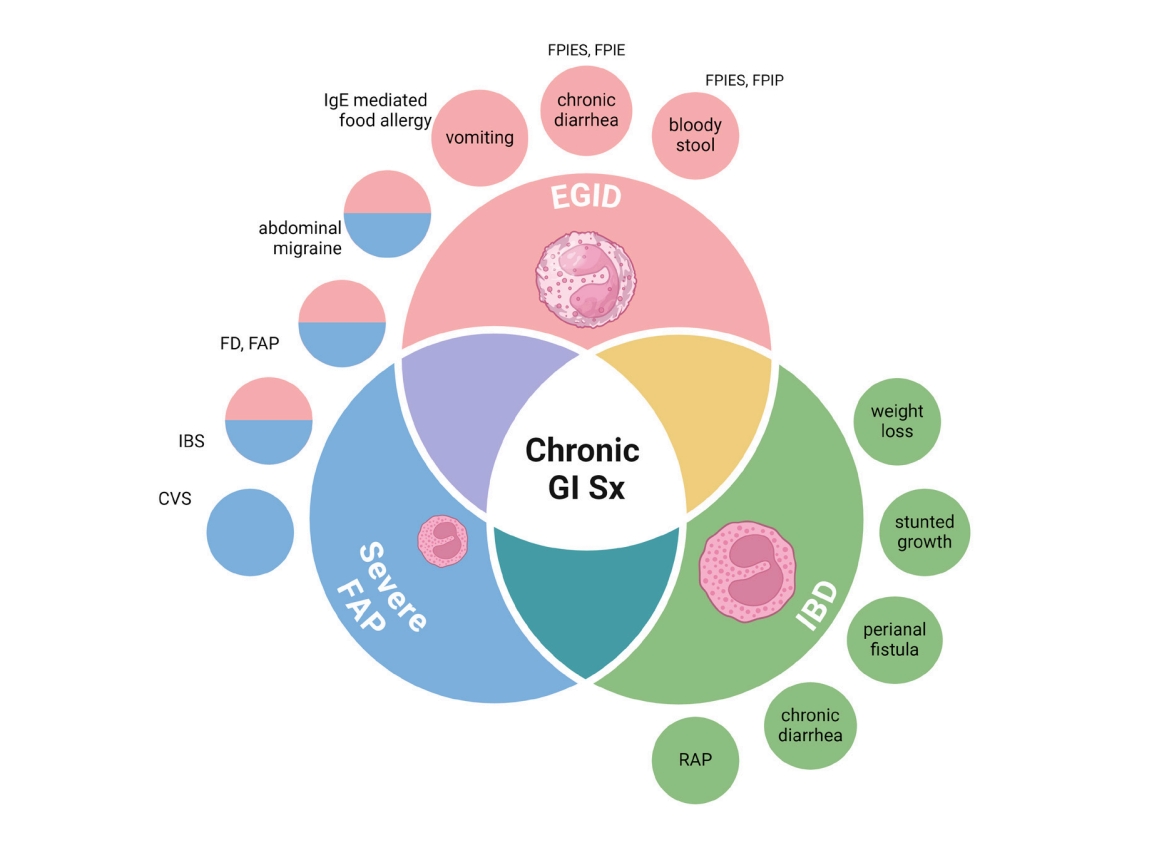
Eosinophilic gastrointestinal disorders (EGIDs) often coexist with functional gastrointestinal disorders (FGIDs) and other IgE or non-IgE mediated GI diseases. Diagnosing EGIDs requires a high index of suspicion and a comprehensive approach to differentiate them from conditions like inflammatory bowel disease. Tests such as fecal calprotectin and biopsies aid in severe cases. Maintaining a food diary helps identify triggers for long-term elimination. Awareness and education are key to effective management. |
-
-
- Original Article
- Neurology
- Effectiveness of Helmet therapy for infants with moderate to severe positional plagiocephaly
(11,856 times)
-
Jeongho Kim, Jina Kim, Kyu Young Chae
-
Clin Exp Pediatr. 2024;67(1):46-53. Published online December 5, 2023
-
|
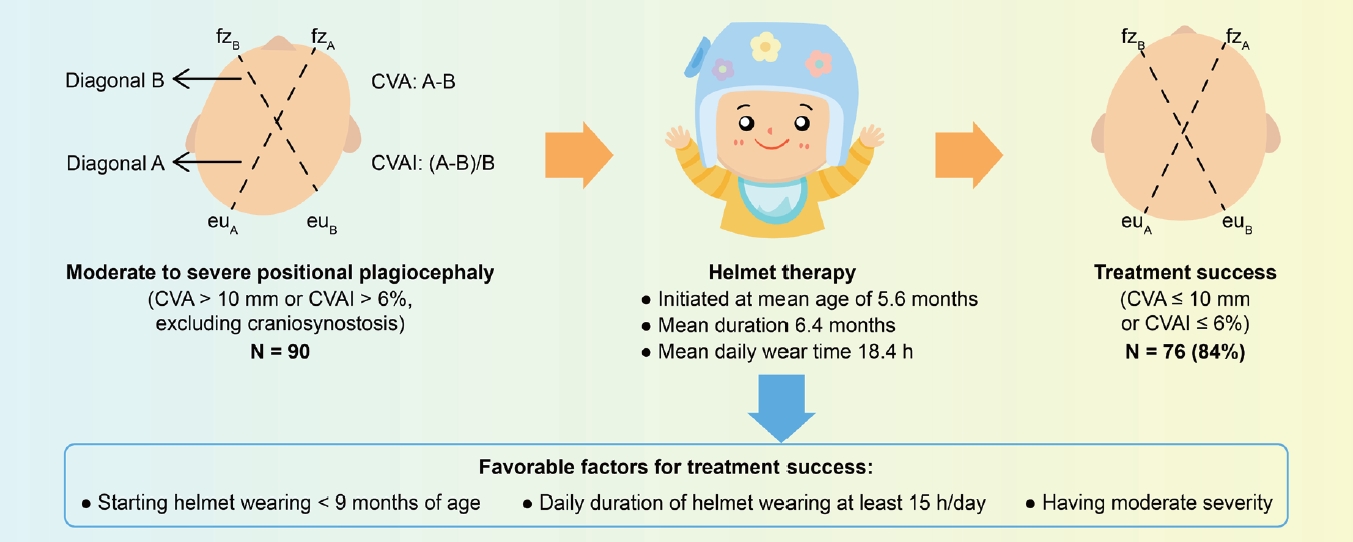
Question: Is helmet therapy effective for positional plagiocephaly? What factors influence helmet therapy efficacy for positional plagiocephaly?
Finding: Helmet therapy is effective for infants with moderate to severe positional plagiocephaly, and its effectiveness is influenced by age at treatment initiation, severity of head asymmetry, and daily duration of helmet wear.
Meaning: Pediatricians should initiate helmet therapy for positional plagiocephaly sooner, ideally before 9 months of age, to maximize treatment efficacy. |
-
-
- Neonatology (Perinatology)
- Prevalence of anxiety, depression, and stress among parents of neonates admitted to neonatal intensive care unit: a systematic review and meta-analysis
(11,806 times)
-
Asha P. Shetty, Kurvatteppa Halemani, Alwin Issac, Latha Thimmappa, Sanjay Dhiraaj, Radha K, Prabhaker Mishra, Vijai Datta Upadhyaya
-
Clin Exp Pediatr. 2024;67(2):104-115. Published online November 14, 2023
-
|
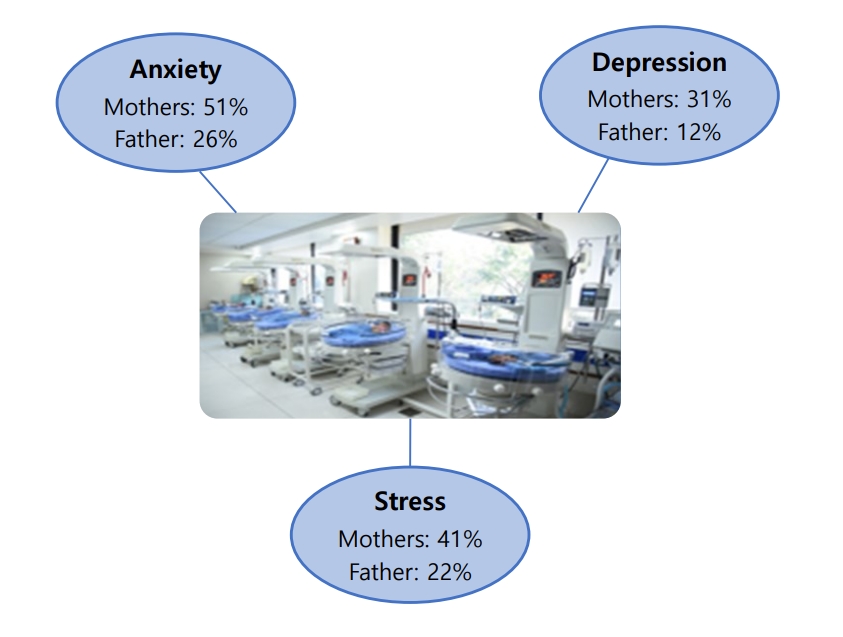
Question: What emotions do parents experience when their newborns are admitted to the neonatal intensive care unit (NICU)?
Finding: Mothers experienced more anxiety (51%), depression (31%), and stress (41%) symptoms than fathers (26%, 12%, and 22%, respectively).
Meaning: Parents often experience anxiety, stress, and depression following NICU admission. Healthcare workers are responsible for providing regular parental counseling. |
-
-
- Editorial
- Neurology
- Network-based biomarkers in pediatric drug-resistant epilepsy
(11,627 times)
-
Joseph Lim, Jaeso Cho, Hunmin Kim
-
Clin Exp Pediatr. 2026;69(8):636-638. Published online July 24, 2026
-
|
|
Conventional preoperative evaluation in pediatric drug-resistant epilepsy relies on clinical surrogates that quantify seizure exposure but not its impact on brain networks. A newly developed diffusion-weighted imaging connectome biomarker, anchored to intracranial electroencephalography-confirmed seizure onset zones and resolved across 6 neurocognitive domains, addresses this gap. This individualized approach classifies cognitive impairment with high accuracy and may offer a more precise, clinically interpretable tool to inform surgical timing. |
-
-
- Original Article
- General Pediatrics
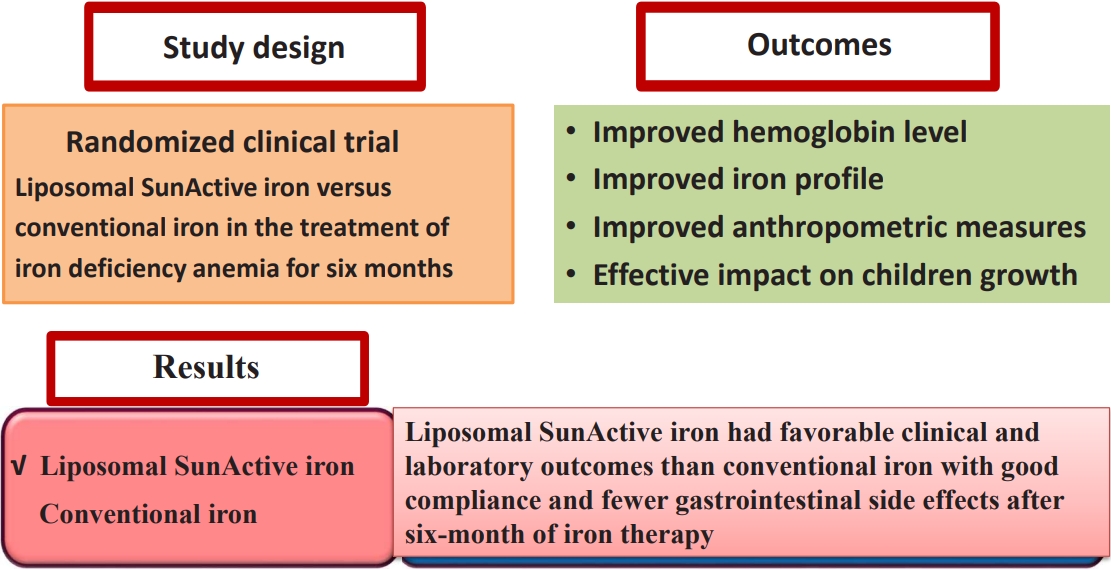
- Liposomal SunActive versus conventional iron for treatment of iron-deficiency anemia in children aged 2–12 years: a prospective randomized controlled trial
(11,406 times)
-
Wael A. Bahbah, Yasmin A.H.S. Younis, Hanan Salama Elbelouny, Asmaa A. Mahmoud
-
Clin Exp Pediatr. 2025;68(8):608-615. Published online July 18, 2025
-
|
Background: Liposomal iron, a novel oral formulation of ferric pyrophosphate that demonstrates improved gastrointestinal absorption and bioavailability with fewer side effects than conventional iron, represents a significant advancement in the treatment of iron-deficiency anemia (IDA).
Purpose: To conduct an in-depth comparative study of liposomal SunActive and conventional iron supplements (iron polymaltose complex) for treating IDA in children aged 2–12 years
Methods: This... |
-
-
- Review Article
- Gastroenterology
- Anxiety disorders presenting as gastrointestinal symptoms in children – a scoping review
(10,472 times)
-
Anjali Kumar, Pramodh Vallabhaneni
-
Clin Exp Pediatr. 2025;68(5):344-351. Published online January 13, 2025
-

|
A positive bidirectional relationship between gastrointestinal disorders and anxiety, but with no clear aetiology, was identified. Factors such as somatisation and pain catastrophising resulted in poorer pain-related outcomes in children. Further studies are required to understand this relationship in order to have targeted treatments and ensure better long term outcomes. |
-
-
- Hematology
- Iron deficiency in children with a focus on inflammatory conditions
(10,400 times)
-
Na Hee Lee
-
Clin Exp Pediatr. 2024;67(6):283-293. Published online May 21, 2024
-

|
· Iron deficiency has important effects on neurodevelopment and the immune system in children.
· Hepcidine plays an important role in iron homeostasis.
· Diagnosis and treatment of iron deficiency in chronic inflammatory disease are important for patients' quality of life and disease course. |
-
-
- Nephrology (Genitourinary)
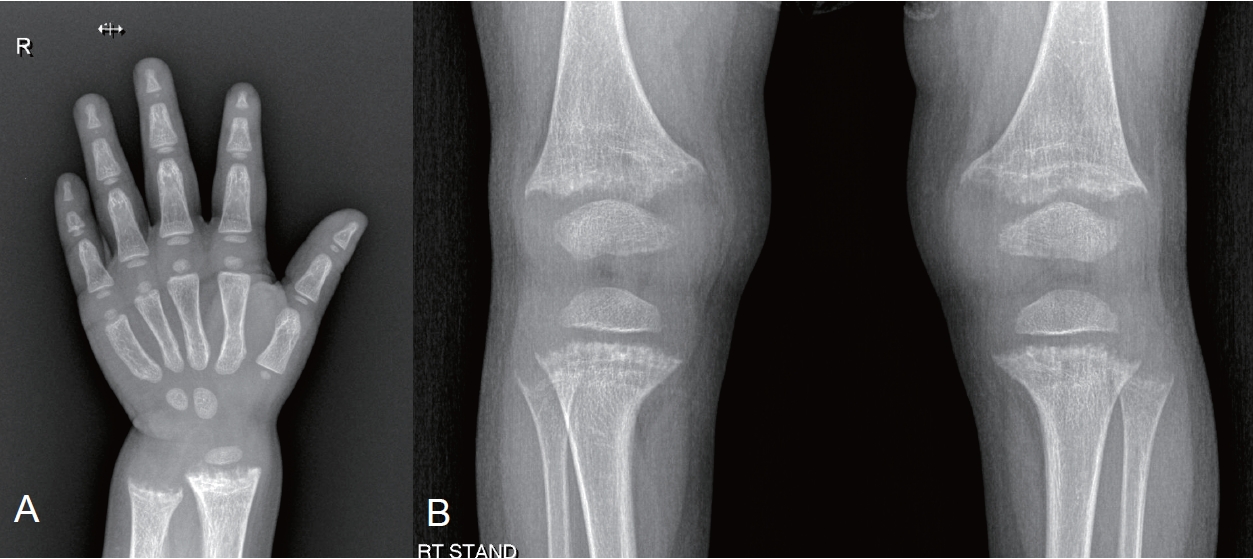
- X-linked hypophosphatemic rickets: from diagnosis to management
(10,365 times)
-
Eujin Park, Hee Gyung Kang
-
Clin Exp Pediatr. 2024;67(1):17-25. Published online June 14, 2023
-
|
· X-linked hypophosphatemia (XLH), the most common cause of hypophosphatemic rickets, affects 1/20,000 people.
· XLH is caused by a loss-of-function mutation of the PHEX gene.
· Its main pathogenesis is elevated fibroblast growth factor-23 (FGF23) level.
· Burosumab, an FGF23 inhibitor, was developed in the early 2000s.
· Burosumab was approved in Korea in 2020 for XLH patients aged 1+ years with radiographic evidence of bone disease. |
-
-
- Neonatology (Perinatology)
- Need for national guidance regarding proactive care of infants born at 22–23 weeks' gestation
(10,189 times)
-
Ga Won Jeon
-
Clin Exp Pediatr. 2025;68(1):53-61. Published online November 13, 2024
-

|
With advancements in neonatal intensive care, the limit of viability has shifted to 22–23 weeks' gestation, whose survival rates vary across countries and institutions. These rates are not static and can be improved through the proactive and centralized care guided by national protocols, including maternal transfer to high-activity regions with better neonatal intensive care practices before delivery. |
-
-
- Other
- Microplastic and human health with focus on pediatric well-being: a comprehensive review and call for future studies
(9,817 times)
-
Rogers Wainkwa Chia, Ntegang Venant Atem, Jin-Yong Lee, Jihye Cha
-
Clin Exp Pediatr. 2025;68(1):1-15. Published online November 6, 2024
-

|
· Milk and formula are common sources of microplastic in infants.
· Water and air are the most common sources of microplastic pollution from infancy to adolescence.
· Microplastic use by children of all ages can cause cell damage and affect their health.
· Microplastics present in children can be quantified using a stereomicroscope and characterized using micro- Fourier transform infrared spectroscopy. |
-
-
- Review Article
- Allergy
- Comparison and review of international guidelines for treating asthma in children
(9,247 times)
-
Eui Jeong Roh
-
Clin Exp Pediatr. 2024;67(9):447-455. Published online August 20, 2024
-

|
Asthma is the most common chronic disease among children. Although asthma in children may spontaneously improve, it continues into adulthood in many cases. Therefore, appropriate disease management and medication are essential. Consistent and objective guidelines are needed to manage pediatric asthma and related adverse reactions. |
-
-
- Neonatology (Perinatology)
- Neonatal family-centered care: evidence and practice models
(9,125 times)
-
Juyoung Lee
-
Clin Exp Pediatr. 2024;67(4):171-177. Published online June 14, 2023
-

|
· Concrete evidence exists of early parent-infant attachment supported by family-centered care (FCC) in the neonatal intensive care unit.
· FCC involves the parents’ presence and participation in the infant’s care and decision-making.
· A private and comfortable space should be provided. A single-family room is ideal; however, a quiet space with a recliner can be a good alternative.
· Care culture changes and staff training are required. |
-
-
- General Pediatrics
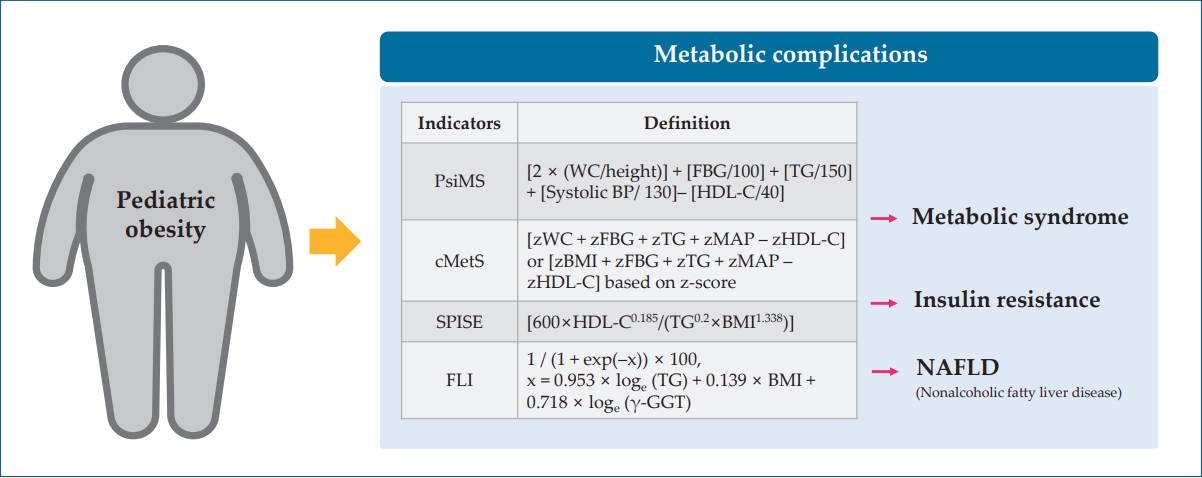
- Metabolic complications of obesity in children and adolescents
(8,796 times)
-
Hyunjin Park, Jung Eun Choi, Seunghee Jun, Hyelim Lee, Hae Soon Kim, Hye Ah Lee, Hyesook Park
-
Clin Exp Pediatr. 2024;67(7):347-355. Published online November 16, 2023
-
|
· Pediatric obesity increases the risk of metabolic complications (insulin resistance, dyslipidemia, nonalcoholic fatty liver disease) and long-term cardiovascular diseases.
· A new obesity definition and various indicators (continuous metabolic syndrome score, pediatric simple metabolic syndrome score, fatty liver index) have been proposed to evaluate children’s susceptibility to metabolic disorders.
· Laboratory and body composition tests in pediatric screenings can identify groups at high risk of metabolic complications of obesity. |
-
-
- Neurology
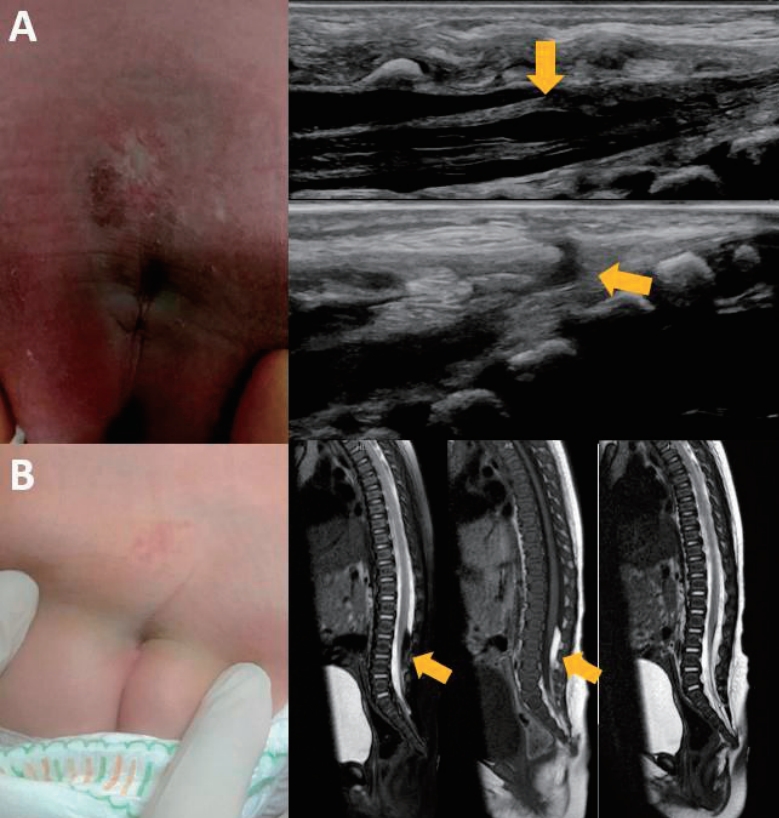
- Sacral dimple: clinical perspectives of lesions hidden beneath the skin
(8,621 times)
-
Jin Eun, Kwan Sung Lee, Seung Ho Yang
-
Clin Exp Pediatr. 2026;69(2):103-113. Published online November 26, 2025
-
|
· Most sacral dimples are benign, but atypical features may indicate occult spinal dysraphism.
· Simple dimples meeting strict criteria require no imaging, whereas atypical dimples require targeted ultrasonography or magnetic resonance imaging.
· The early diagnosis and surgical management of highrisk cases prevents irreversible neurological, orthopedic, and urological deficits. |
-
-
- Original Article
- General Pediatrics
- Bifidobacterium animalis subsp. lactis BLa80 for preventing allergic, respiratory, and gastrointestinal diseases in young children in China: a randomized double-blind placebo-controlled trial
(8,549 times)
-
Ke Chen, Xi Zhang, Kaihong Zeng, Jiayi Zhong, Shanshan Jin, Yang Nie, Ping Yang, Nianyang He, Haixia Chen, Yanmei Cao, Yunrong Fu, Ziji Fang, Wei Jiang, Changqi Lium
-
Clin Exp Pediatr. 2026;69(2):150-162. Published online October 30, 2025
-
|
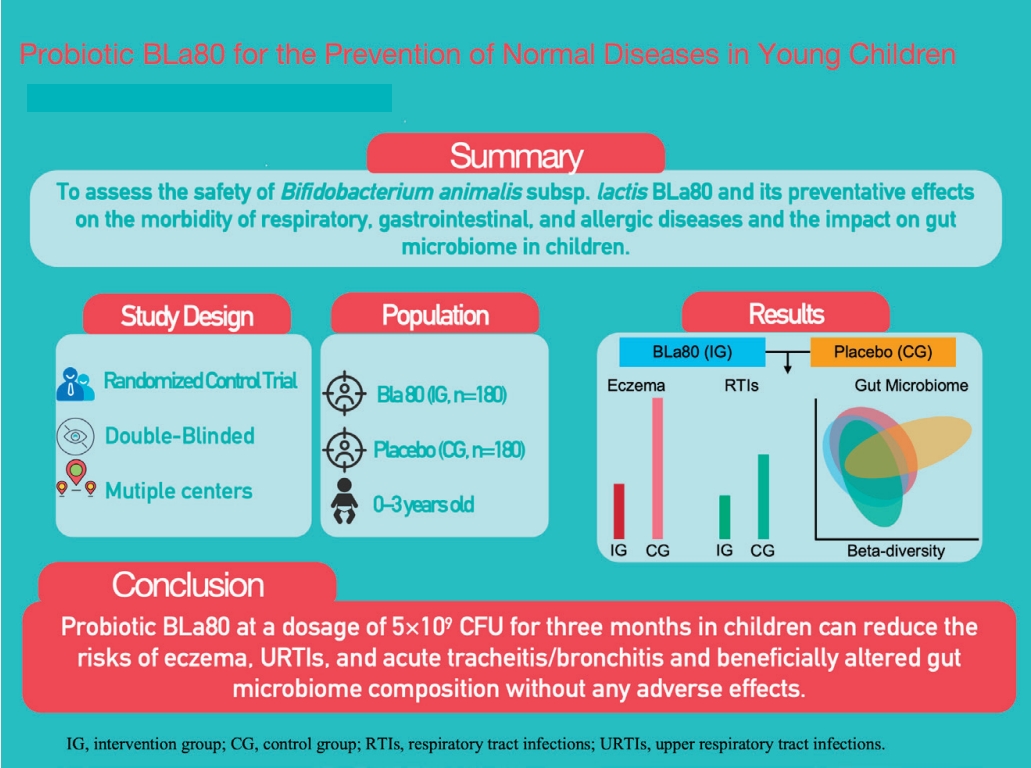
Question: Can probiotic BLa80 bring long-term benefits to the health of young children?
Finding: This trial demonstrated that the daily administration of s BLa80 at 5×10⁹ colony-forming units for 3 months in children can reduce the risk of eczema, upper respiratory tract infections, and acute tracheitis/bronchitis as well as beneficially improve the gut microbiome without any adverse effect.
Meaning: Bla80 can bring definite health benefits to young children. |
-
-
- Review Article
- Endocrinology
- Association between pre- and postnatal exposure to endocrine-disrupting chemicals and birth and
neurodevelopmental outcomes: an extensive review
(8,488 times)
-
Ozge Yesildemir, Mensure Nur Celik
-
Clin Exp Pediatr. 2024;67(7):328-346. Published online November 16, 2023
-
|
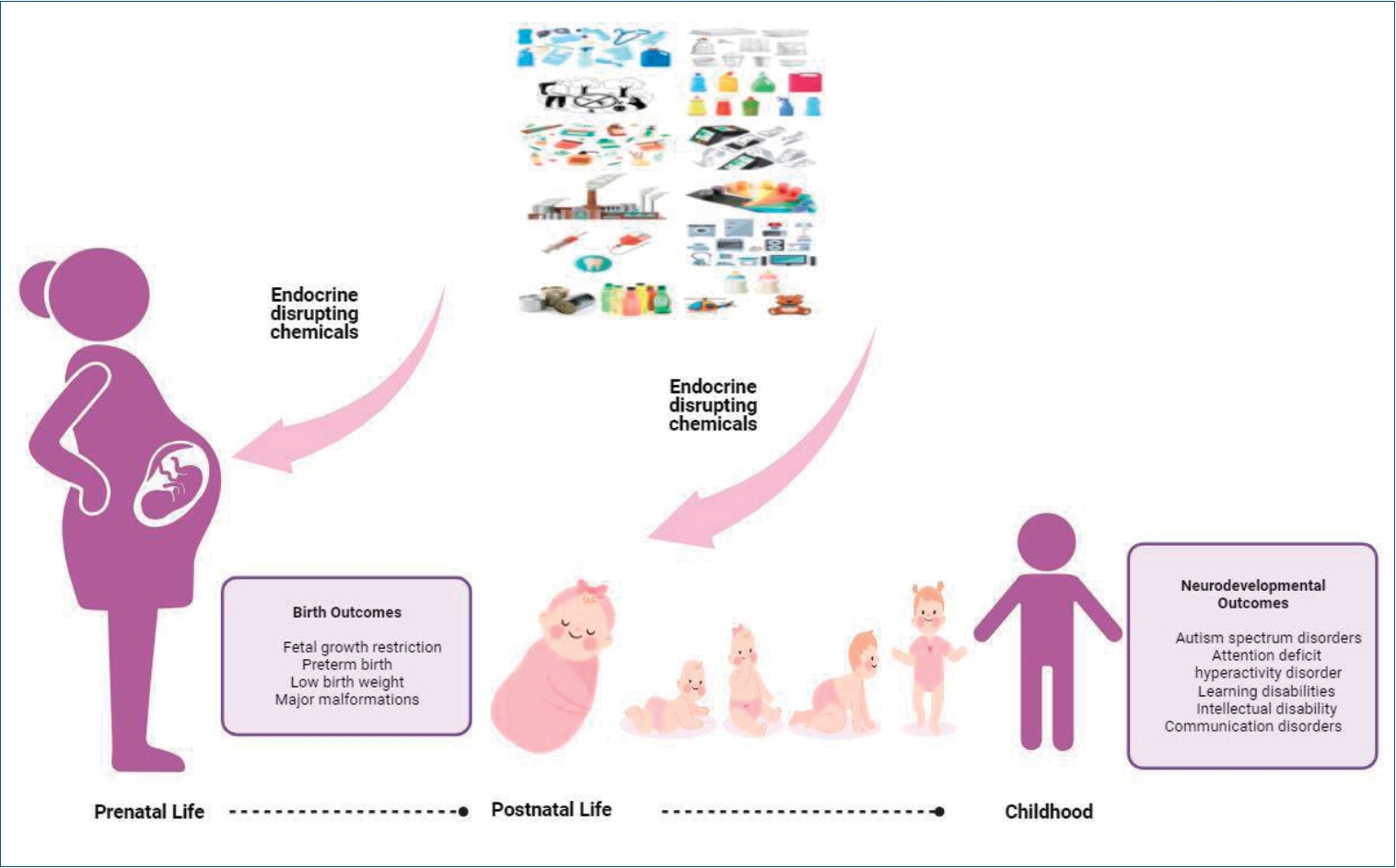
· Sensitivity to endocrine-disrupting chemical (EDC) exposure increases during critical developmental periods (in embryos, fetuses, and neonates).
· Pre- and postnatal exposure to EDCs is associated with fetal growth restriction, preterm birth, and low birth weight.
· Exposure to EDCs during fetal and early postnatal life can have lasting and lifelong neurodevelopmental outcomes, including autism spectrum, attention deficit hyperactivity, and other cognitive and behavioral disorders. |
-
-