Most viewed
- Page Path
-
- HOME
- BROWSE ARTICLES
- Most viewed
"Most viewed" Articles are from the articles published in 2024 during the last six month.
- Editorial
- Immunology
- Utility of eosinophil granule proteins in management of pediatric chronic cough
(2,242 times)
-
Chang-Keun Kim
-
Clin Exp Pediatr. 2024;67(10):519-520. Published online April 17, 2024
-

|
· Pediatric chronic cough often involves eosinophilic inflammation; however, objective measurements are not routinely used in treatment decisions.
· Accurate biomarkers of eosinophil activity, such as eosinophil-derived neurotoxin (EDN) and cationic proteins (ECP), should be used. EDN, which overcomes the shortcomings of ECP, recently received approval for use in Korean healthcare settings.
· EDN and ECP can play a role in treatment period and drug selection decisions. |
-
-
- Original Article
- Endocrinology
- Prednisolone impairs trabecular bone score changes in adolescents with 21-hydroxylase deficiency
(2,238 times)
-
Pattara Wiromrat, Yutapong Raruenrom, Phanpaphorn Namphaisan, Nantaporn Wongsurawat, Ouyporn Panamonta, Chatlert Pongchaiyakul
-
Clin Exp Pediatr. 2025;68(3):238-246. Published online November 13, 2024
-
|
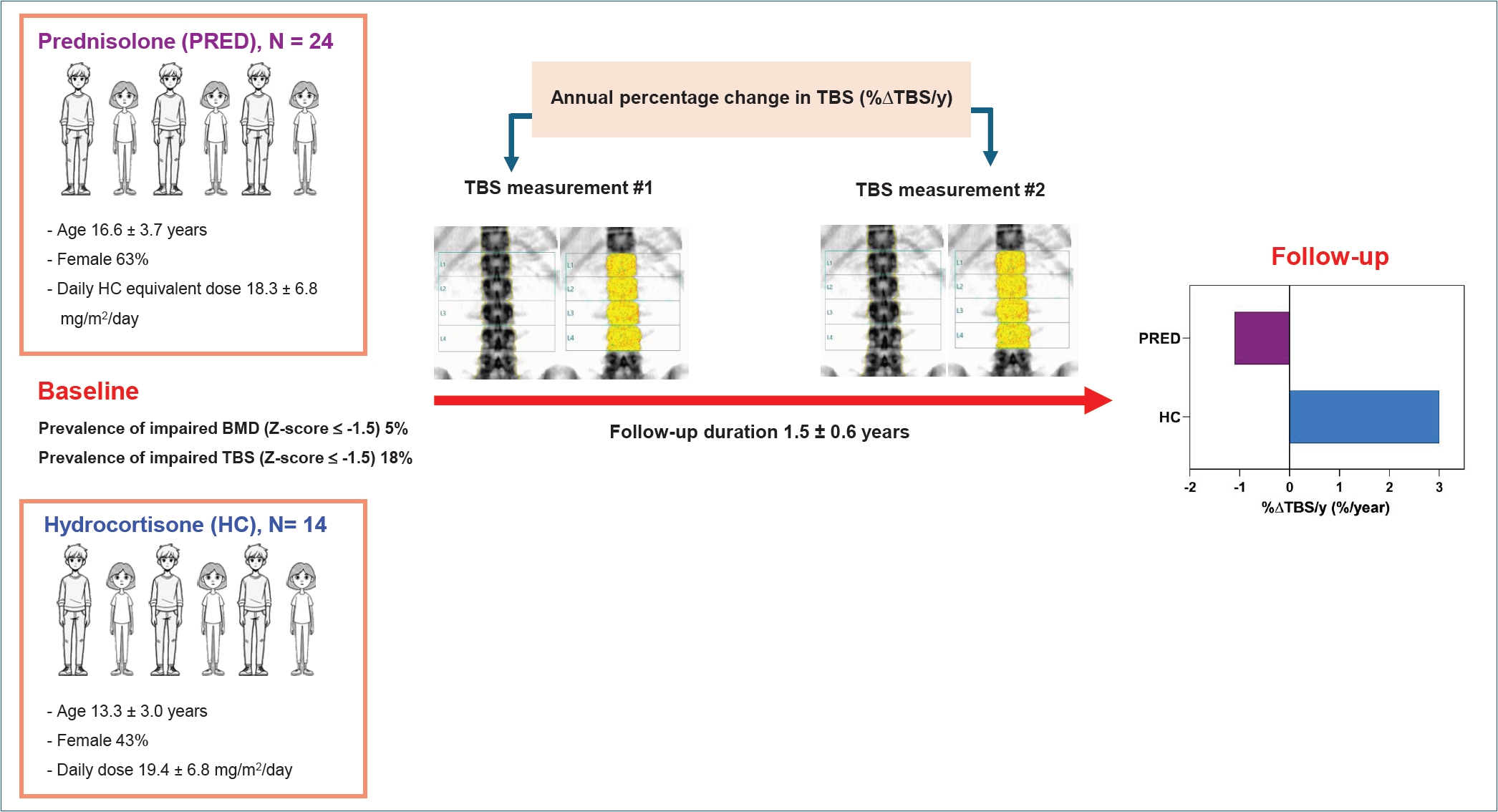
Question: What is the prevalence of an impaired trabecular bone score (TBS), a measure of bone microarchitecture, in adolescents with 21-hydroxylase deficiency (21OHD)? Do prednisolone and hydrocortisone affect TBS differently in this patient population?
Finding: Impaired TBS was observed in 18% of participants. Prednisolone use negatively impacted TBS change.
Meaning: Impaired TBS is prevalent among adolescents with 21OHD. Prednisolone impairs trabecular bone microarchitecture development. |
-
-
- Infection
- Clinical outcomes and healthcare utilization of hospitalized children with influenza versus COVID-19
(2,235 times)
-
David Chun-Ern Ng, Chuin-Hen Liew, Kah Kee Tan, Joanne Pereira, Muhammad Ihsan Roslan, Xiang Lin Cheng, Hui Yi Lim, Farah Nuruliayana A. Nazri, Asuwani Maran, Wan Fei Wong, Yasothai Chandran, Syaniza Shaharudin, Pon Ling Lau, Naveen Nair Gangadaran, Marlindawati Mohd Ali
-
Clin Exp Pediatr. 2025;68(12):1007-1014. Published online October 2, 2025
-
|
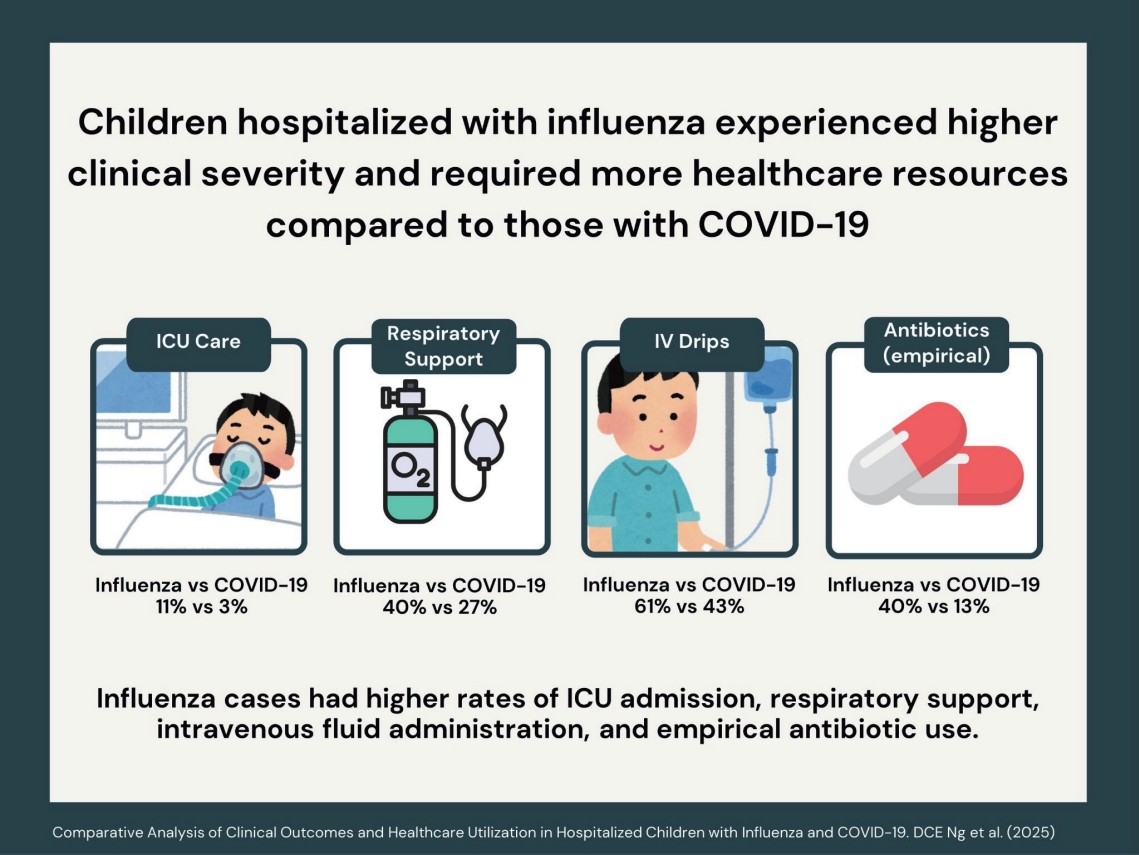
Question: How do clinical presentations, healthcare resource utilization, and outcomes differ between children hospitalized with influenza versus coronavirus disease 2019 (COVID-19)?
Finding: Patients with influenza were older, were more symptomatic, and required greater healthcare resources, including intravenous fluids, empirical antibiotics, respiratory support, and pediatric intensive care unit admission.
Meaning: Influenza involves greater severity and a higher healthcare burden than COVID-19, highlighting the need for preventive strategies such as vaccination and hospital resource planning during seasonal outbreaks. |
-
-
- Hematology
- Assessment of natural killer cell subpopulations in pediatric patients with transfusion-dependent β-thalassemia major
(2,234 times)
-
Fathia Ibrahim Elbassal, Mohamed Abdel Rehim Soliman, Nourhan Hossam Eldin Mohamed, Mai El-Sayad Abd El-Hamid, Hanan Hassan El-Sheity
-
Clin Exp Pediatr. 2025;68(12):981-990. Published online September 12, 2025
-
|
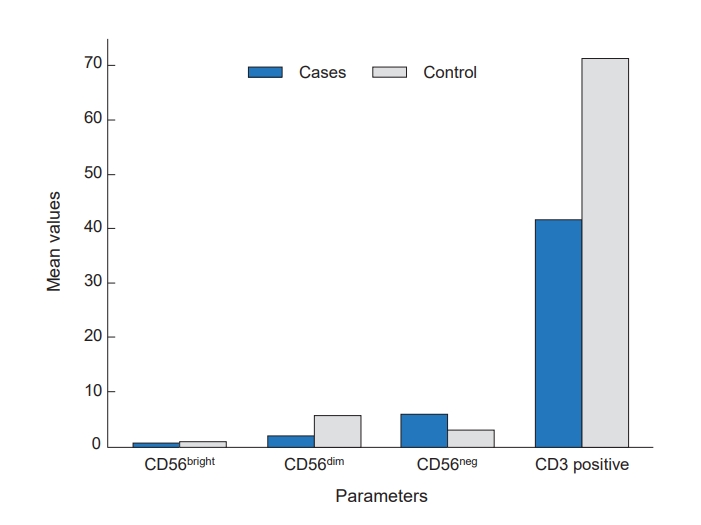
Question: How does iron overload affect immunity in pediatric patients with transfusion-dependent β-thalassemia major?
Finding: Iron overload in these patients is associated with disrupted natural killer (NK) cell subpopulations, reflecting impaired innate immunity.
Meaning: This highlights the need to monitor immune profile alongside iron status during thalassemia management. |
-
-
- Review Article
- Other
- Virtual reality for managing pain and fear and anxiety during pediatric needle procedures: an umbrella review
(2,226 times)
-
Thomas Saliba, Guillaume Fahrni
-
Clin Exp Pediatr. 2026;69(8):609-621. Published online July 14, 2026
-
|
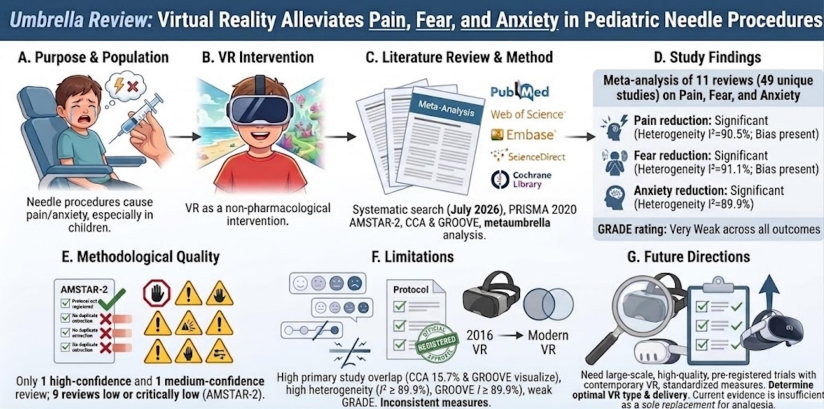
Meta-analyses suggest that virtual reality (VR) reduces self-reported pain, fear, and anxiety in children during needle procedures but has high heterogeneity, high overlap between primary studies, and low methodological quality, leading to a "very weak" GRADE (Grading of Recommendations Assessment, Development and Evaluation) classification. Clinicians should view VR as a promising additional distraction tool; however, VR cannot yet replace current analgesic and anxiolytic strategies. Future research should focus on age-stratified analyses, measurement tool standardization, and modern VR technology |
-
-
- Editorial
- Cardiology
- Beyond morphometry: the atrial septal defect pressure gradient as a dynamic predictor of mitral valve growth in borderline left hearts
(2,222 times)
-
Han Ki Park
-
Clin Exp Pediatr. 2026;69(6):484-485. Published online May 27, 2026
-
|
|
Traditional morphometric scores often fail to predict the success of biventricular repair of borderline left hearts. Wang et al. demonstrated that a low atrial septal defect (ASD) pressure gradient is a critical functional predictor of mitral valve growth. By integrating ASD hemodynamics with anatomical data, clinicians can better identify candidates for biventricular repair, proving that the "grey zone" is narrower than previously thought and improving outcomes for vulnerable neonates. |
-
-
- Original Article
- Developmental and Behavioral Medicine
- Effectiveness of online responsive teaching in young children with developmental disabilities: a pilot study
(2,217 times)
-
Jung Sook Yeom, Jeongmee Kim
-
Clin Exp Pediatr. 2024;67(6):303-311. Published online May 21, 2024
-

|
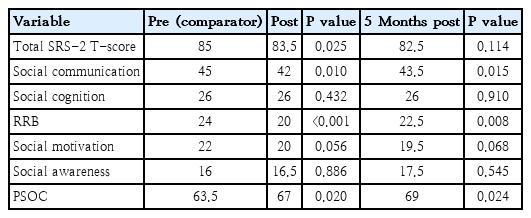
Question: Does online responsive teaching (RT) impact children's and parents’ emotions and behaviors, and do parents find it satisfactory?
Finding: Online RT significantly improved children's pivotal and problem behaviors, decreased parenting stress, and enhanced parental interactive styles with high satisfaction.
Meaning: This pilot study's findings suggest that online RT can enhance child outcomes, offering accessible interventions amid challenges such as limited access and pandemics. |
-
-
- Infection
- Carbapenem resistance in gram-negative pathogens in an Iranian hospital: high prevalence of OXA-type carbapenemase genes
(2,205 times)
-
Setareh Mamishi, Reihaneh Hosseinpour Sadeghi, Sadaf Sajedi Moghaddam, Babak Pourakbari, Shiva Poormohammadi, Maryam Sotoudeh Anvari, Shima Mahmoudi
-
Clin Exp Pediatr. 2025;68(1):65-72. Published online October 31, 2024
-

|
Question: What is the prevalence of carbapenem resistance in gram-negative bacteria and associated carbapenemase genes?
Findings: This study identified a notable prevalence of carbapenem-resistant gram-negative isolates, with Escherichia coli being the predominant contributor, follow ed by Klebsiella pneumoniae, Acinetobacter baumannii, while bla OXA48 was the most prevalent carbapenemase gene.
Meaning: These findings highlight the urgent need for proactive measures including the rapid detection of carbapenemase- producing isolates and effective infection control. |
-
-
- Nutrition
- Factors associated with thiamin deficiency in pediatric patients with heart disease and receiving diuretics: a single-center study
(2,198 times)
-
Phakwan Laohathai, Rathaporn Sumboonnanonda, Puthita Saengpanit, Chodchanok Vijarnsorn, Chatchawan Srisawat, Kwanjai Chotipanang, Sarawut Junnu, Supawan Kunnangja, Hathaichanok Rukprayoon, Phakkanan Phuangphan, Sompong Liammongkolkul, Arthima Phaokong, Narumon Densupsoontorn
-
Clin Exp Pediatr. 2025;68(9):666-672. Published online April 16, 2025
-

|
Question: Are pediatric patients with heart disease who are receiving diuretics at risk of thiamin deficiency (TD)?
Finding: Fifteen percent of the patients had TD. TD was associated with inadequate dietary thiamin intake and increasing age.
Meaning: The thiamin pyrophosphate effect should be assessed in those with high risk of TD. Dietary counseling should be emphasized to ensure adequate dietary thiamin intake. |
-
-
- Nephrology (Genitourinary)
- COVID-19 vaccine hesitancy among parents of children with systemic lupus erythematosus
(2,191 times)
-
Karnchanit Sausukpaiboon, Nuanpan Penboon, Pornpimol Rianthavorn
-
Clin Exp Pediatr. 2025;68(6):454-462. Published online February 3, 2025
-

|
Question: What is the acceptance rate for coronavirus disease 2019 vaccination among parents of children with systemic lupus erythematosus (SLE)?
Finding: One-third of parents were hesitant to vaccinate their child. Parental willingness to vaccinate themselves, older patient age, and belief in the vaccine's potency were associated with vaccine acceptance.
Meaning: These findings highlight the need for targeted interventions to improve vaccine acceptance among parents of children with SLE. |
-
-
- Editorial
- Endocrinology
- Rickets prevalence and treatment outcome: real-world data from Taiwan
(2,172 times)
-
Young Suk Shim
-
Clin Exp Pediatr. 2025;68(11):868-870. Published online October 23, 2025
-
|
|
Rickets should be recognized as a significant public health concern during infancy and childhood. Recent studies from Taiwan have demonstrated a steady increase in the prevalence of nutritional rickets, and a similar trend is likely to emerge in Korea. Therefore, comprehensive clinical evaluation and appropriate biochemical assessment are essential to prevent long-term skeletal and systemic complications. Prompt diagnosis and timely initiation of appropriate treatment are crucial. |
-
-
- Review Article
- Endocrinology
- Effect of lifestyle interventions on pediatric obesity: a lifestyle medicine systematic review
(2,171 times)
-
Jung Eun Choi, Hee Jeoung Lim, Kyung Hee Kim, Hae Soon Kim
-
Clin Exp Pediatr. 2026;69(9):686-693. Published online August 27, 2026
-

|
Lifestyle interventions effectively improve the anthropometric and cardiometabolic outcomes of children and adolescents with overweight or obesity. Multicomponent approaches integrating diet, physical activity, and behavioral strategies demonstrate the most consistent and comprehensive benefits. These findings strongly support the application of lifestyle medicine principles in pediatric obesity management. Long-term integrated interventions addressing multiple health behaviors are needed to ensure sustainable improvements. |
-
-
- Original Article
- General Pediatrics
- Lipoprotein(a) prevalence trends in Portuguese children and adolescents: a real-world perspective
(2,168 times)
-
Isabel Morais Ribeiro, Susete Vieira, Miguel Saraiva, Mónica Tavares, José Carlos Oliveira, Isabel Mangas Palma, Helena Ferreira Mansilha
-
Clin Exp Pediatr. 2025;68(12):1031-1040. Published online November 24, 2025
-

|
Early lipid screening, including lipoprotein(a) (Lp(a)), in children/adolescents is key to identifying and managing dyslipidemia and reducing the risk of early-onset cardiovascular disease. This study shows that prevalence of elevated Lp(a) in high-risk Portuguese children is alarming, with over 30% at intermediate/high risk and nearly 1% at very high-risk (>430 nmol/L). Since Lp(a) is mostly genetically determined, one-time early screening in atrisk children is crucial for timely monitoring and prevention. |
-
-
- Clinical Note
- Neurology
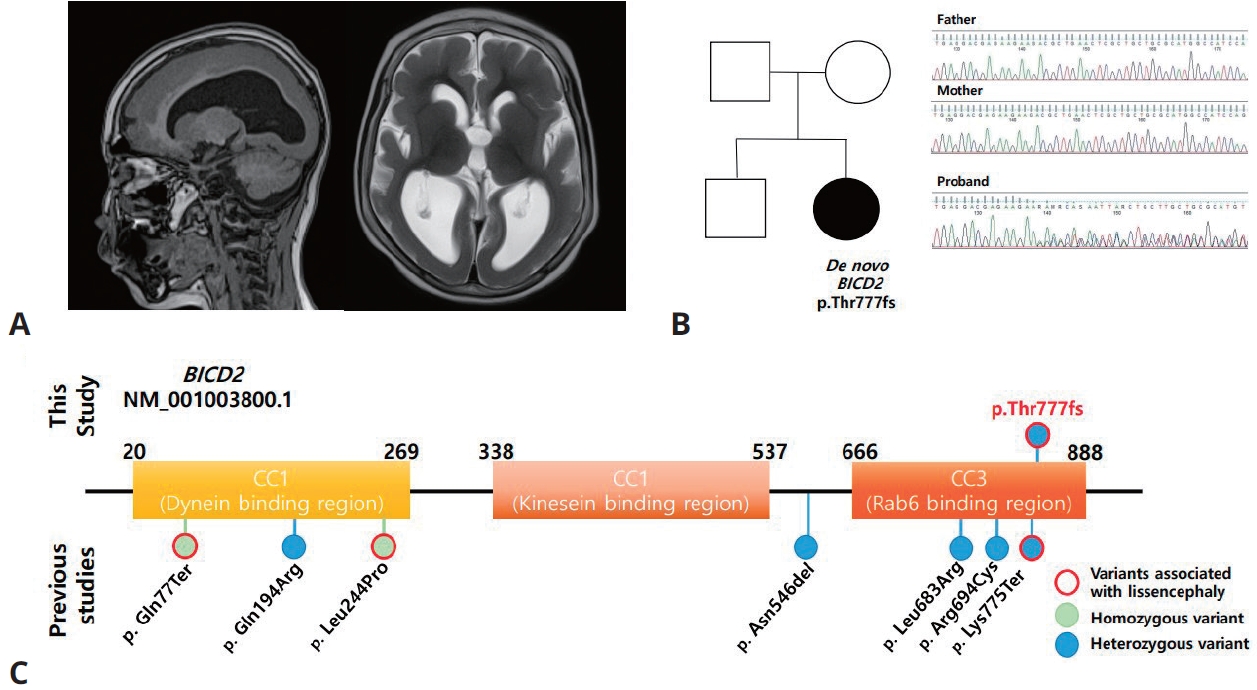
- Expanding association between BICD2 variants and brain malformations and associated lissencephaly
(2,159 times)
-
Jaeso Cho, Haeryung Kim, Seoungbok Lee, Jihoon G Yoon, HyeJin Kim, Minhye Kim, Seoyun Jang, Woojoong Kim, Soo Yeon Kim, Jong Hee Chae
-
Clin Exp Pediatr. 2024;67(1):54-56. Published online December 21, 2023
-
-
-
- Editorial
- Cardiology
- What we should know about pediatric heart failure: children are not small adults
(2,132 times)
-
Ja-Kyoung Yoon
-
Clin Exp Pediatr. 2025;68(1):62-64. Published online November 6, 2024
-
|
|
· Pediatric heart failure (PHF) features high morbidity and mortality rates.
· Although adults and children can share a common diagnosis of heart failure, the underlying causes can differ significantly and require distinct therapeutic approaches.
· Treatments designed for adults are often applied to PHF despite the fundamental physiological and developmental differences between them.
· Child-specific data are vital for the development of tailored treatments to meet the unique needs of patients with PHF. |
-
-
- Original Article
- Cardiology
- Comparative analysis of adolescent hypertension definitions for predicting early adulthood carotid artery intima-media thickness: Tehran lipid and glucose study
(2,086 times)
-
Maryam Barzin, Shirin Yaghoobpoor, Maryam Mahdavi, Behnaz Abiri, Majid Valizadeh, Fereidoun Azizi, Pooneh Dehghan, Farhad Hosseinpanah
-
Clin Exp Pediatr. 2024;67(12):694-703. Published online September 12, 2024
-
|
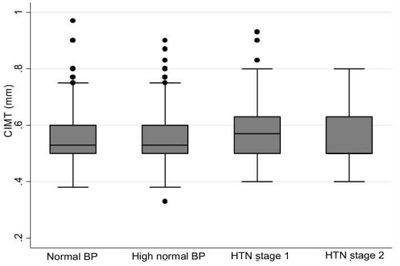
Question: What is the prevalence of HTN among adolescents enrolled in the TLGS according to 3 different accepted definitions (4th report, ESH, and AAP-CPG). Also, what is the ability of each of these definitions in predicting early adulthood CIMT, as a surrogate for cardiovascular disease events?
Finding: The highest and lowest prevalence of stage 1 HTN was observed with the AAP-CPG (17.7%) and ESH (8.8%), respectively. Similarly, the highest and lowest prevalence of stage 2 HTN was noted with the AAP-CPG (1.5%) and ESH (0.8%), respectively. The highest to lowest predictive abilities belonged to the 4th report, ESH, and AAP-CPG, respectively.
Meaning: Among the various definitions of pediatric HTN, the 4th report offered the best ability to predict a high CIMT during early adulthood, followed by the ESH and AAP-CPG. |
-
-
- Neonatology (Perinatology)
- Thrombocytopenia in preterm infants born to mothers with systemic lupus erythematosus: a retrospective cohort study
(2,066 times)
-
Ru Xue, Guoqing Zhang, Xiafang Chen, Jun Bu, Lanlan Mi, Fei Bei
-
Clin Exp Pediatr. 2026;69(3):266-273. Published online December 22, 2025
-
|
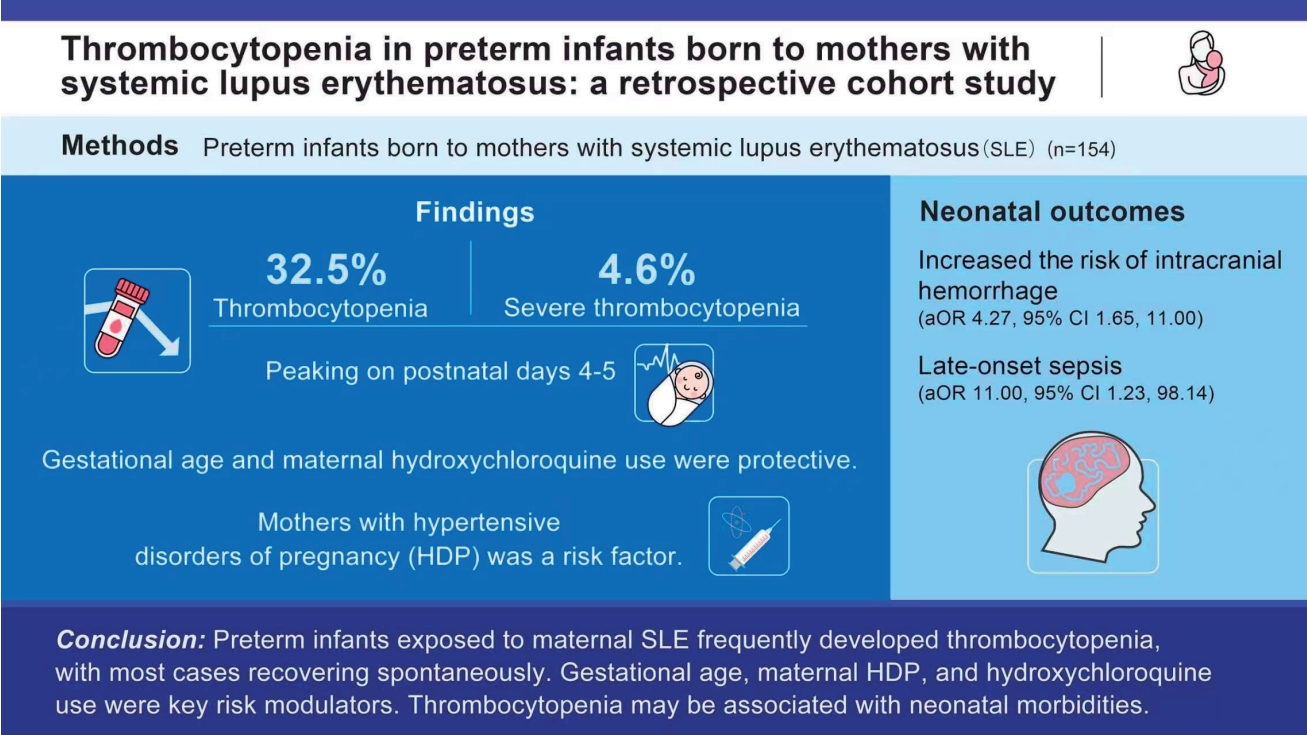
Question: What are the characteristics and clinical implications of thrombocytopenia in preterm neonates born to mothers with systemic lupus erythematosus?
Finding: Nearly one-third of preterm infants developed thrombocytopenia. Key modulators of this risk included gestational age, maternal hypertensive disorders of pregnancy, and hydroxychloroquine use. Thrombocytopenia may be associated with neonatal morbidity.
Meaning: Platelet count should be monitored during the first week of life, and infants should be assessed for potential complications. |
-
-
- Gastroenterology
- Fecal microbiome profiles in infants with biliary atresia versus nonbiliary atresia cholestasis: a pilot study
(2,055 times)
-
Nur Azizah, Fadilah Fadilah, Silvia Werdhy Lestari, Muzal Kadim, Fithriyah Sjatha, Hanifah Oswari
-
Clin Exp Pediatr. 2025;68(11):932-943. Published online August 20, 2025
-

|
Question: How does the gut microbiota profile of infants with biliary atresia (BA) differ from that of infants with non-BA cholestasis and healthy infants in the Indonesian population?
Finding: The unique fecal microbiome composition of the BA group differed significantly from that of the other 2 groups.
Meaning: There is an urgent need to improve dysbiosis in BA and non-BA cholestasis to prevent worsening liver injury in cholestasis. |
-
-
- Pulmonology
- Association of macrophage migration-inhibitory factor gene and growth differentiation factor 15 gene polymorphisms and their circulating levels with respiratory distress syndrome among preterm neonates
(2,041 times)
-
Ali Helmi Bakri, Mohammed H. Hassan, Khaled Abdalla Abd-Elbaseer, Mahmoud Abo-Alhassan Sayed, Ahmed Alamir Mahmoud Abdallah, Eman Ahmed Abd-Elmawgood
-
Clin Exp Pediatr. 2025;68(9):680-689. Published online April 1, 2025
-

|
Question: Do macrophage migration-inhibitory factor (MIF) and growth differentiation factor-15 (GDF-15) levels and their gene polymorphisms affect RDS among preterm babies?
Finding: Significantly higher serum MIF and GDF-15 levels were observed in patients with severe respiratory distress syndrome (RDS). The mutant G- and C-alleles of GDF-15 rs4808793 C>G single nucleotide polymorphism (SNP) and MIF rs755622 G>C SNP were present at significantly higher frequencies in preterm neonates with RDS.
Meaning: MIF and GDF-15 play a significant role in neonatal RDS and its severity. |
-
-
- Review Article
- Developmental and Behavioral Medicine
- Electronic media exposure and neurodevelopment in children under 5 years of age: an updated evidence-based narrative review
(1,980 times)
-
Soumi Kundu, Sudip Bhattacharya, Rajan Kumar, Kusum Kumari, Chandrima Biswas, Asha Premlata Omega Oraon, Abhimanyu Ganguly
-
Clin Exp Pediatr. 2026;69(10):773-784. Published online September 8, 2026
-
|
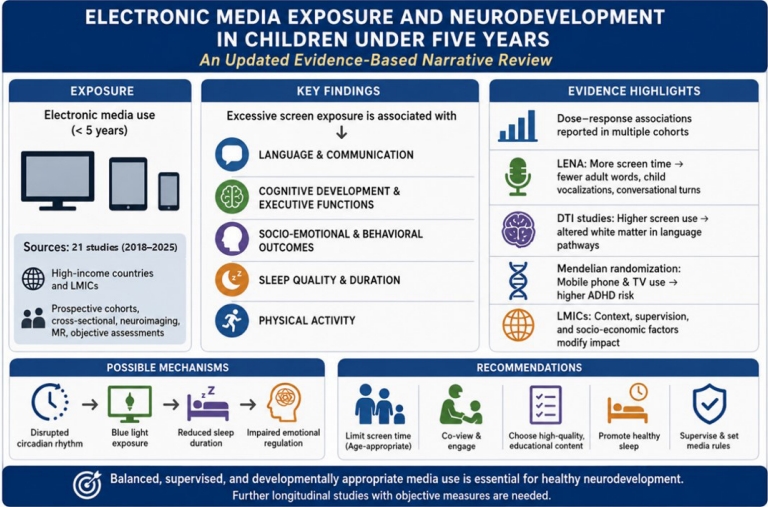
Excessive digital media exposure before 5 years is consistently associated with poorer language development, attention, executive functioning, sleep quality, and socioemotional development. The adverse effects are particularly evident when screen exposure replaces caregiver-child interaction and active play. High-quality educational content combined with caregiver coviewing may mitigate some of these risks. Pediatric counseling should emphasize age-appropriate media use, family media plans, and balanced daily routines. |
-
-
- Original Article
- General Pediatrics
- Effectiveness of Kinder Lebensqualität Fragebogen (KINDL) and Children’s Somatic Symptom Inventory-24 (CSSI-24) for measuring postacute sequelae of COVID-19 in children: a diagnostic validation study
(1,979 times)
-
Lawrence Shih-Hsin Wu, Pei-Chi Chen, Xiao-Ling Liu, Shu-Tsen Liu, Chi-Hung Wei, Yu-Lung Hsu, Kai-Sheng Hsieh, Huan-Cheng Lai, Chien-Heng Lin, Chieh-Ho Chen, An-Chyi Chen, I-Ching Chou, Wen-Jue Soong, Hui-Ju Tsai, Chung-Ying Lin, Jiu-Yao Wang
-
Clin Exp Pediatr. 2025;68(11):944-951. Published online September 12, 2025
-

|
Question: Although children with postacute sequelae of coronavirus disease 2019 (PASC) may experience persistent symptoms that affect their quality of life (QoL), a screening tool for identifying high-risk children is lacking.
Finding: Kinder Lebensqualität fragebogen (KINDL) and Children's Somatic Symptom Inventory-24 (CSSI-24) were significantly correlated. An optimal KINDL cutoff score (74.75) detected those at high risk of a reduced QoL.
Meaning: Integrating KINDL and CSSI-24 into routine pediatric outpatient care may enable timely identification and interventions for children at risk of PASC-related impairments. |
-
-
- Clinical Note
- Genetics and Metabolism
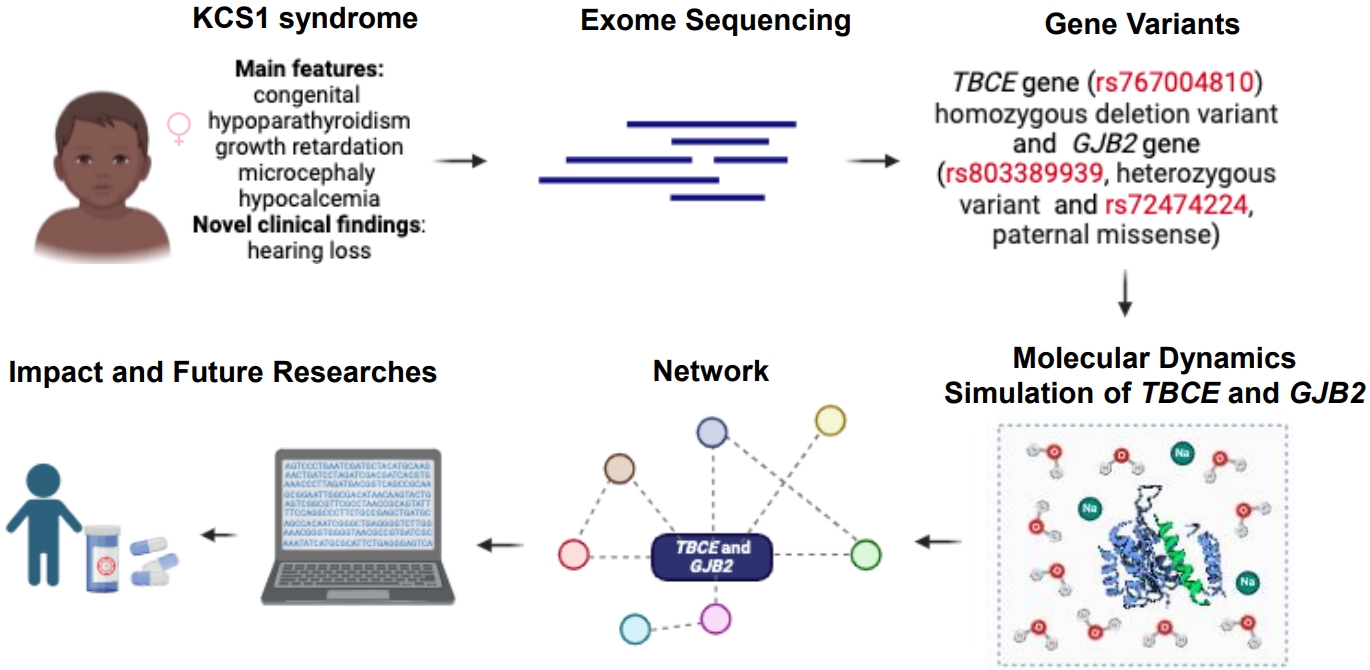
- Expanding genotype-phenotype correlation of Kenny-Caffey syndrome type 1
(1,972 times)
-
Manuela Lo Bianco, Federica Sipala, Xena Giada Pappalardo, Gaia Fusto, Roberta Rizzo, Federico Favata, Carla Cimino, Silvia Marino, Martino Ruggieri, Agnese Suppiej, Simone Ronsisvalle, Raffaele Falsaperla
-
Clin Exp Pediatr. 2025;68(8):616-619. Published online May 12, 2025
-
-
-
- Original Article
- Other
- Impact of thyroid hormones and serum endothelin levels on pediatric asthma control: a case-control study of an Indian population
(1,968 times)
-
Murugaiyan Sathishbabu, Sathiya Ramasamy, Niranjjan Ramachandran, Soundararajan Palanisamy, Arulvijayavani Subramaniam
-
Clin Exp Pediatr. 2025;68(10):831-837. Published online September 22, 2025
-
|
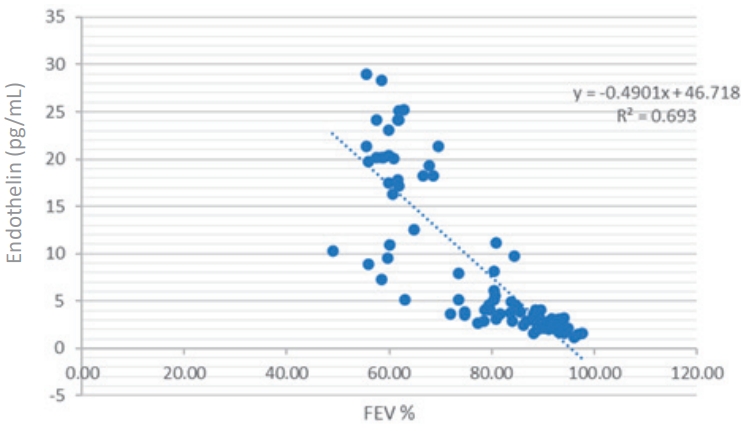
Question: What are the roles of thyroid hormones and endothelin in South Indian children with asthma?
Finding: Thyroid hormone and endothelin levels were significantly elevated in South Indian children with asthma; poorly controlled cases exhibited the highest levels. Elevated thyroid-stimulating hormone and endothelin levels were correlated with asthma severity.
Meaning: Serum endothelin is a potential surrogate marker for asthma severity that could aid the assessment and management of childhood asthma. |
-
-
- Editorial
- Nephrology (Genitourinary)
- Clinical considerations and practical issues of kidney complications in children after COVID-19 infection or vaccination
(1,940 times)
-
Jiwon Jung, Joo Hoon Lee
-
Clin Exp Pediatr. 2024;67(1):35-36. Published online November 17, 2023
-
|
|
· The proper monitoring for and treatment of coronavirus disease 2019 (COVID-19)-induced acute kidney injury, which is common in critically ill children, are recommended.
· Glomerulopathy associated with COVID-19 or its vaccination has been reported, and the overall clinical course is similar to that of non-COVID-19-associated diseases.
· Additional COVID-19 vaccinations are recommended; however, careful and individualized decisions should be made in patients with COVID-19- or vaccination-associated glomerulopathy. |
-
-
- Original Article
- Other
- Association between sodium content of intravenous immunoglobulin and electrolyte changes and clinical course of Kawasaki disease
(1,929 times)
-
Yoshitaka Watanabe, Naomi Yagi, Toya Hattori, Chisato Oyake, Shota Endo, Maria Yoshimi, Takayoshi Kyoda, Hirokazu Ikeda
-
Clin Exp Pediatr. 2026;69(8):639-645. Published online July 1, 2026
-
|
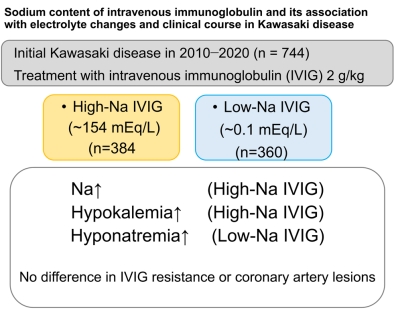
Question: Hyponatremia in Kawasaki disease is associated with inflammation and disease severity. Intravenous immunoglobulin (IVIG) formulations feature various sodium contents. What is the clinical impact of such variations?
Finding: IVIG sodium content was associated with sodium, potassium, and protein level changes.
Meaning: Coronary outcomes were similar but electrolyte changes differed: high-sodium IVIG caused hypokalemia, whereas low-sodium IVIG caused hyponatremia. IVIG preparation requires consideration when interpreting laboratory values. |
-
-
- Editorial
- Other
- Beyond the eye: a multidisciplinary perspective on managing pediatric myopia
(1,927 times)
-
Eoi Jong Seo
-
Clin Exp Pediatr. 2025;68(8):566-568. Published online July 18, 2025
-
|
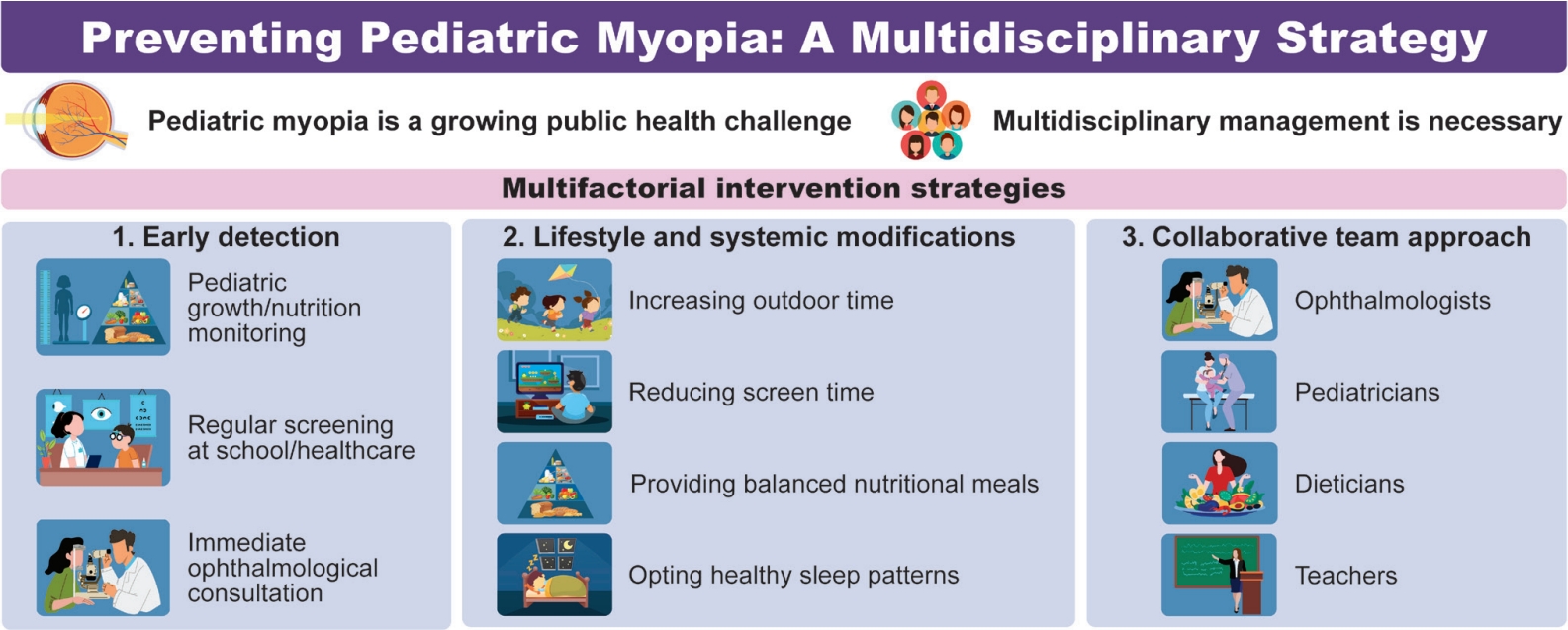
Myopia is a growing global public health concern because of its association with irreversible vision loss such as myopic traction maculopathy, rhegmatogenous retinal detachment, and glaucoma. The effective prevention of myopia in childhood requires a multidisciplinary approach that integrates ophthalmologic care with lifestyle, nutrition, and sleep interventions. Early detection through regular visual screening in schools and primary care settings and timely ophthalmology referrals are critical to preventing high myopia. |
-
-
- Allergy
- Advancements in food allergen immunotherapy: improving quality of life and reducing risks
(1,926 times)
-
Jihyun Kim
-
Clin Exp Pediatr. 2024;67(12):672-674. Published online July 31, 2024
-
|
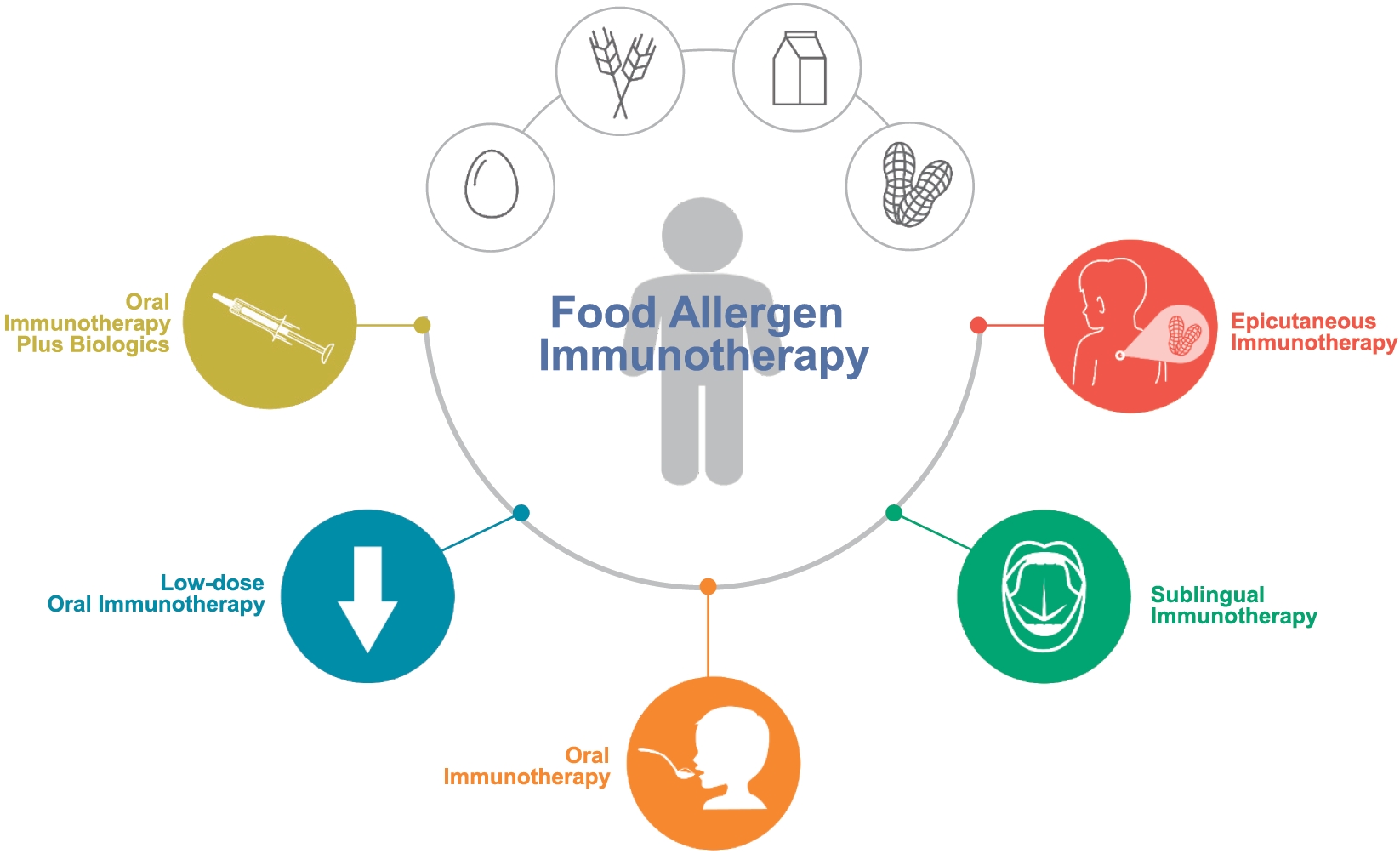
· Pediatric food allergies considerably impair patient and family quality of life, particularly those with persistent allergies to common food allergens.
· Recent research has focused on developing diverse approaches to food allergen immunotherapy, showing promising outcomes of oral, sublingual, and epicutaneous immuno therapies.
· Critical considerations in immunotherapy candidate selection underscore the need for personalized approaches and reliable biomarkers in future studies to improve treatment outcomes. |
-
-